Electronic Contract Manufacturing Service Provider in California

Best PCB Printed Circuit Board Suppliers in China?

Choosing among the best PCB printed circuit board suppliers in China requires more than comparing factory prices. A capable supplier must control materials, drilling accuracy, copper thickness, solder mask quality, and final inspection. Practical sourcing experience shows that small process details often decide whether a board performs reliably. A clean sample does not guarantee stable mass production.

As PCB engineer and author Happy Holden wrote, “The printed circuit board is the heart of electronics.” That principle still matters when reviewing Chinese manufacturers. Buyers should examine IPC certifications, ISO 9001 systems, UL recognition, and documented quality procedures. They should also request cross-section reports, AOI records, impedance test results, and material traceability. These documents reveal more than attractive factory photographs.

The strongest suppliers explain their process clearly. They discuss stack-up design, controlled impedance, DFM feedback, minimum trace spacing, and thermal management before accepting an order. They can also provide realistic prototypes and production samples. Watch the details. Does the supplier answer technical questions directly? Does it identify design risks, or simply promise fast delivery?

Cost matters, but the lowest quotation can hide weak inspection or unstable materials. Lead time deserves careful review too. A promised seven-day prototype may exclude engineering changes, testing, or shipping. That is where comparisons become imperfect. Supplier rankings can guide research, but they cannot replace factory audits, reference checks, and sample testing. This guide evaluates leading Chinese PCB printed circuit board suppliers through capability, quality evidence, communication, pricing transparency, and long-term reliability.
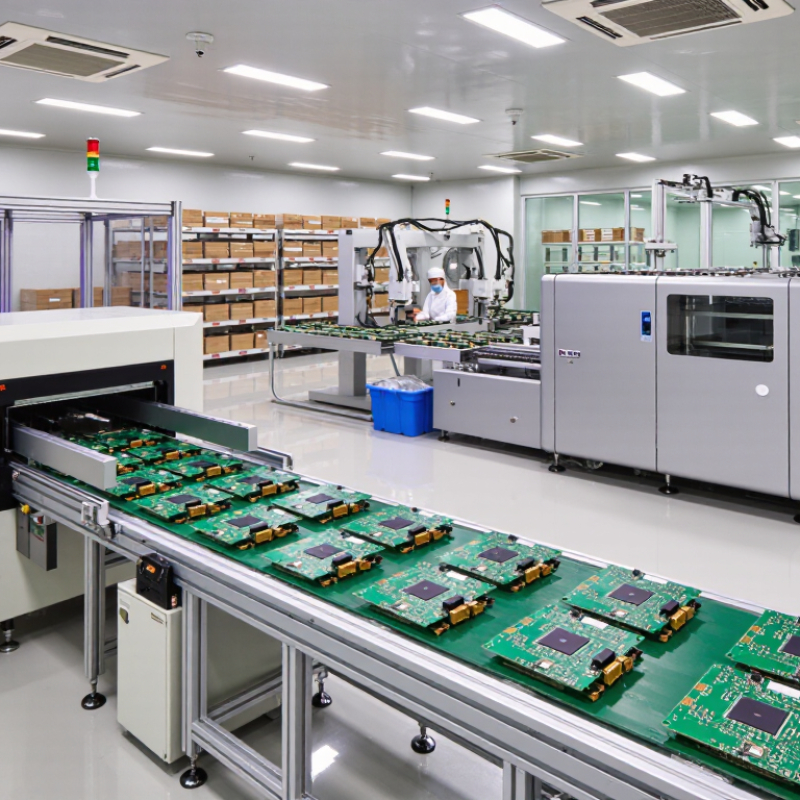
Best PCB Printed Circuit Board Suppliers in China?

What Makes a PCB Supplier in China Stand Out?

A strong Chinese PCB supplier stands out through measurable control, not polished factory photos. Prismark’s 2024 industry review estimates that China produces more than half of global PCB value. Scale matters, but consistency matters more. Buyers should examine capability records, including layer count, controlled impedance, HDI processing, and material traceability. IPC’s PCB technology guidance stresses process control, inspection discipline, and documented quality systems. Ask for recent microsection images, solder-mask inspection records, and corrective-action reports. Show the evidence. Not just promises.

A reliable supplier also connects engineering with production. During a technical review, check whether the team explains stack-up changes, drill compensation, copper balance, and thermal stress clearly. Request first-article data from a board similar to your design. The report should show hole size, plating thickness, impedance results, and yield. IPC’s quality research repeatedly links early process control with fewer defects and lower rework risk. Delivery performance deserves equal attention. Ask for capacity planning, backup equipment, and lot-level traceability. A supplier may offer a low quotation, yet weak documentation can create expensive delays. I would still question perfect yield claims. Real factories experience variation. What matters is whether engineers detect it quickly, explain the cause, and prevent repetition.


Key PCB Manufacturing Services and Capabilities to Compare

Best PCB Printed Circuit Board Suppliers in China?

Choosing a Chinese PCB supplier requires more than comparing unit prices. Prismark’s 2024 market review estimated the global PCB market at about 73 billion US dollars. That scale increases the need for stable engineering and production controls. Compare layer capability, minimum trace width, impedance tolerance, and material options. A capable supplier should support prototypes, quick-turn builds, and volume production without changing critical processes.

Ask for evidence of automated optical inspection, X-ray inspection, solder-mask control, and electrical testing. IPC standards provide useful benchmarks for acceptance criteria, but certification alone is not enough. Review sample inspection records and ask how defects are handled. High-density interconnect boards need laser drilling, microvia reliability testing, and controlled copper plating. For high-speed designs, request impedance reports and dielectric data from the actual laminate batch.

Sustainability also deserves attention. The World Semiconductor Trade Statistics report continues to show strong electronics demand, which puts pressure on capacity and material availability. Confirm lead times for copper foil, laminates, and specialty finishes. A supplier may promise five-day prototypes, yet real delivery can slip when engineering changes arrive late. That uncomfortable detail matters. Ask for a documented change-control process, factory audit access, and traceability from raw material to shipment. Supplier comparison remains imperfect, because impressive samples cannot fully predict long-term field reliability.

Best PCB Printed Circuit Board Suppliers in China: Typical Manufacturing Lead Times

The chart shows representative business-day lead-time benchmarks commonly used when comparing PCB manufacturing suppliers. Prototype orders are typically faster, while multilayer production and PCB assembly require additional fabrication, inspection, and testing time. Actual timing depends on layer count, materials, order volume, surface finish, testing requirements, and engineering review.

How to Evaluate Quality, Certifications, and Production Standards

Choosing a PCB supplier in China requires more than comparing prices or viewing polished factory photos. Evaluate quality through documented processes, not promises. Ask for recent inspection records, material certificates, and traceability from laminate intake to final shipment. A reliable supplier should explain impedance control, solder-mask inspection, copper thickness, and test coverage in practical terms. Vague answers are warning signs.

Check certifications carefully. ISO 9001 indicates a quality management system, but it does not guarantee flawless boards. Depending on your product, relevant IPC standards, UL recognition, and environmental compliance records may also matter. Confirm certificate numbers, issuing bodies, expiration dates, and the exact factory address. During a production audit, observe clean storage, calibrated testing equipment, controlled humidity, and clear separation between accepted and rejected boards. Small details often expose weak discipline.

Tips: Request a sample lot before mass production. Compare the supplier’s inspection report with your own measurements. Ask how defects are logged and corrected. Review a first-article sample under magnification, checking vias, edge quality, solder-mask alignment, and surface finish. Production standards can look excellent on paper, yet operator training may vary by shift. That deserves questioning. No audit is perfect. Leave room for follow-up inspections, especially after design changes, material substitutions, or unusual delivery pressure.

Ways to Verify Supplier Reliability, Pricing, and Delivery Performance

Choosing among PCB suppliers in China requires more than a low quotation. Reliability becomes visible through evidence, not polished promises. Ask for current quality certificates, factory audit records, and traceability samples. A capable supplier should explain laminate sources, process controls, and final inspection methods in plain language. Request a video audit or on-site visit when project risk justifies it. Evidence matters.

Pricing needs a line-by-line comparison. Check tooling, engineering changes, testing, packaging, and shipping separately. Compare identical specifications, including layer count, copper weight, surface finish, hole tolerance, and annual volume. A surprisingly cheap quote may exclude electrical testing or contain an unrealistic yield assumption. Ask how the price changes after the prototype stage. Keep records.

Delivery performance should be measured with data. Request recent on-time delivery rates, average lead times, and examples of delayed orders. Confirm production capacity during holiday periods and define approval points for artwork, sample boards, and mass production. Use a small pilot order before committing to high volume. I once treated a promised lead time as fixed; a material shortage proved that assumption weak. Now I request a written recovery plan, buffer days, and weekly status updates. Delays happen. What matters is transparent communication and corrective action.

How to Choose the Best Chinese PCB Supplier for Your Project

Choosing the best Chinese PCB supplier starts with your project requirements, not a supplier’s sales presentation. Define layer count, board thickness, copper weight, surface finish, impedance targets, and monthly volume. A capable supplier should review your Gerber files and provide practical DFM feedback before production. Ask for prototype evidence, not only attractive factory photos.

Check technical competence through certifications, inspection methods, and traceability records. Relevant quality systems may include ISO 9001 and IPC-based manufacturing controls. For regulated markets, confirm RoHS, REACH, and material documentation. Request sample reports for solderability, microsections, electrical testing, and final inspection. Clear records matter more than impressive promises.

Communication also reveals reliability. Send identical questions to several suppliers and compare response speed, engineering detail, and willingness to discuss risks. Ask how they handle failed panels, delivery delays, design changes, and confidential files. A factory that explains limitations may be safer than one claiming perfect results. Review packaging, moisture protection, labeling, and shipment documents before placing a larger order.

Price deserves careful attention. A low quotation can hide tooling charges, weaker materials, or limited testing. Compare complete landed costs instead of unit prices alone. Start with a controlled prototype order and measure actual yield, delivery accuracy, and support quality. No checklist catches every problem. Leave room for revision; early assumptions are often wrong.