Electronic Contract Manufacturing Service Provider in California

China Top PCB Electronics Manufacturers for Global Buyers

Selecting a Chinese PCB partner can shape product quality, delivery stability, and long-term operating costs. For global buyers, price matters, but it rarely tells the full story. A reliable evaluation looks inside the factory, not only at its catalog. This guide examines China’s top PCB electronics manufacturers through practical purchasing criteria, technical capability, and documented performance.

The discussion covers prototype support, high-volume production, multilayer boards, flexible circuits, and rigid-flex solutions. It also considers material control, impedance testing, automated optical inspection, and electrical testing. Factory experience matters. Ask how engineers handle a difficult stack-up or a sudden design revision. Request sample reports, process records, and clear explanations of yield issues. Small details often reveal more than polished marketing.

Certifications can support trust, but certificates alone cannot guarantee consistent results. Buyers should verify their scope, validity, and connection to the actual production site. Communication also deserves attention. Can the supplier explain a failed test without hiding behind technical language? Can it protect traceability from raw laminate to packed shipment? These questions help separate capable manufacturers from temporary trading channels.

No supplier is perfect. Even a strong factory may struggle with a rushed prototype or unusual material. That is where honest feedback becomes valuable. This overview aims to provide a practical starting point, not an unquestionable ranking. Specifications, audits, samples, and references should guide the final decision. With careful comparison, global buyers can build more reliable supply relationships and reduce avoidable production surprises.

China Top PCB Electronics Manufacturers for Global Buyers

Definition and Role of PCB Electronics Manufacturers in China

China Top PCB Electronics Manufacturers for Global Buyers

PCB electronics manufacturers in China design, produce, and test printed circuit boards used in electronic devices. They may handle circuit layout, material selection, board fabrication, component placement, and final assembly. Their role is broader than simply making green circuit boards. They convert engineering files into reliable, traceable products.

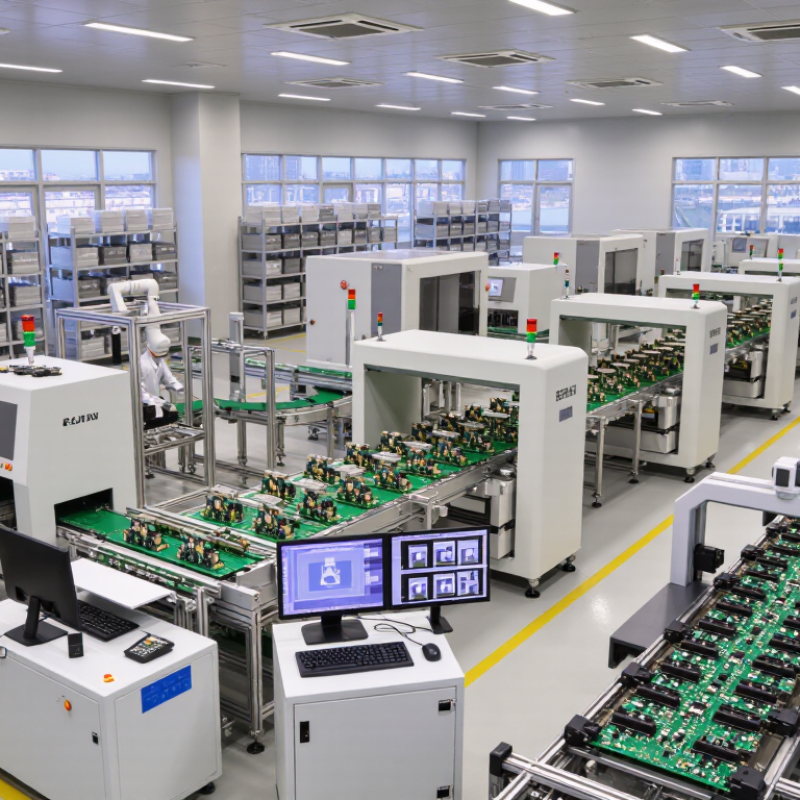
A capable manufacturer studies the bill of materials before production begins. Engineers check line widths, copper thickness, heat control, and component availability. Production teams use automated placement machines, soldering equipment, optical inspection, and electrical testing. Small details matter. A loose connector or uneven solder joint can stop an entire device.

These manufacturers also connect global buyers with scalable production. They can support prototypes, pilot runs, and larger orders while maintaining documented processes. Experienced suppliers explain tolerances instead of promising impossible results. They should provide inspection records, material certificates, sample approvals, and clear change-control procedures. A certificate alone proves little. Buyers should review factory communication, testing methods, delivery history, and corrective actions. No factory is flawless, and even strong suppliers can miss a defect. That is why independent checks and realistic specifications remain valuable. A careful partnership grows through evidence, not attractive claims.

Key PCB Products and Manufacturing Capabilities

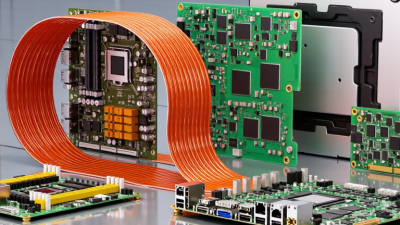
China’s PCB manufacturers support a wide range of electronic products, from compact wearables to industrial control equipment. Common products include single-sided, double-sided, and multilayer circuit boards. Flexible and rigid-flex boards serve products with limited installation space. High-frequency boards support communication systems and precision signal transmission.

Manufacturing capability varies between factories. Some facilities handle prototypes and low-volume orders, while others focus on stable mass production. Modern production lines use automated drilling, imaging, lamination, and surface finishing equipment. Engineers control copper thickness, layer alignment, impedance, and hole quality during production. Tight layouts need careful design review. Small errors can become expensive.

Experience matters during supplier evaluation. Factory teams should provide clear samples, process records, and inspection data. Typical checks include electrical testing, automated optical inspection, X-ray inspection, and solderability testing. Traceability should connect materials, production batches, and inspection results. Environmental controls also protect board reliability, especially during lamination and storage. Not every production decision is perfect. A responsible manufacturer admits weaknesses and improves the process instead of hiding them. Buyers should confirm standards, delivery capacity, engineering support, and corrective-action procedures before placing large orders. Clear communication often prevents more failures than advanced equipment alone.

China Top PCB Electronics Manufacturers for Global Buyers - Key PCB Products and Manufacturing Capabilities

Representative nominal layer counts illustrate common PCB product configurations available from China-based manufacturing supply chains. Actual layer ranges, materials, tolerances, HDI structures, and certification capabilities vary by factory and should be confirmed during supplier qualification.

How to Evaluate Chinese PCB Suppliers for Global Purchasing

Evaluating Chinese PCB suppliers requires more than comparing quotations. Review their production experience, engineering depth, and quality records. Ask how they control impedance, solder mask thickness, copper weight, and multilayer registration. A capable supplier should provide clear process data, not vague assurances. Request recent inspection reports, material certificates, and sample boards from similar projects.

A factory visit can reveal practical details. Check whether laminate is stored in dry, temperature-controlled areas. Observe AOI stations, drilling equipment, testing benches, and rejected-board records. Confirm whether each panel carries traceable lot information. Certifications can support credibility, but they do not replace process evidence. Speak with the quality manager and ask how failures are investigated. Their answer often matters more than a polished presentation.

Start with a small pilot order and define acceptance standards in writing. Include hole tolerance, surface finish, electrical testing, packaging, and delivery dates. Review the supplier’s DFM feedback before production begins. Strong communication should identify risks early, especially with fine-pitch components or controlled-impedance designs. A low price may hide weaker materials or unstable capacity. However, even a detailed audit can miss problems. Recheck quality during mass production, not only during sampling. Keep records of changes, approvals, and corrective actions. Reliability grows through repeated evidence, not promises.

Quality Standards, Certifications, and Production Control

China Top PCB Electronics Manufacturers for Global Buyers

Quality begins with controlled details, not attractive samples. Reliable PCB manufacturers follow documented procedures from material receiving to final packing. Incoming copper-clad laminate is checked for thickness, surface condition, and supplier batch information. Operators record drilling size, plating thickness, solder mask coverage, and impedance results. These records help buyers trace defects instead of guessing.

Independent certifications can strengthen confidence. ISO 9001 supports consistent quality management and corrective action. Environmental controls may include ISO 14001, RoHS, and REACH requirements. Manufacturing teams should also follow recognized PCB workmanship standards for solderability, cleanliness, and inspection. Automated optical inspection checks missing pads and unwanted connections. X-ray inspection can reveal hidden voids beneath packaged components. Human review still matters.

Machines miss context.

Production control becomes clearer when suppliers share process capability data, inspection plans, and sample reports. A responsible factory separates approved materials from rejected stock and protects moisture-sensitive components in sealed storage. It should also test first articles before releasing a larger batch. However, certificates alone cannot prove daily discipline. Records may look complete while a calibration label is overdue. That weakness deserves direct questioning. Buyers should request recent evidence, not promises, and compare it with actual samples, packaging, and delivery performance.

Export Services, Costs, Lead Times, and Buyer Considerations

China’s leading PCB manufacturers support global buyers with export teams, engineering reviews, and documented quality controls. Experienced suppliers usually confirm Gerber files, stack-up requirements, surface finish, and testing standards before quoting. A capable export service should provide English documentation, secure packaging, customs paperwork, and shipment tracking. These details matter when boards travel through several logistics hubs.

Costs depend on layer count, copper weight, board size, materials, order volume, and inspection requirements. A low unit price can hide tooling fees, engineering charges, or expensive expedited freight. Ask for a line-item quotation. Request samples before approving production. Standard prototypes may ship within several working days, while complex multilayer boards often need several weeks. Holidays, material shortages, and design changes can extend the schedule. Lead-time promises are estimates, not guarantees.

Buyer checks should include factory capacity, process traceability, test coverage, payment terms, and after-sales response. Confirm whether testing includes electrical tests, automated optical inspection, or impedance verification. Review certificates independently where possible. A remote factory tour helps, but it cannot replace incoming inspection. I have seen projects delayed by unclear revision control, even when the boards met the drawing. That weakness deserves attention. Keep one approved data package, define acceptance criteria, and record every engineering change. Local support may cost more, yet it can reduce communication errors and rework for overseas teams.

China Top PCB Electronics Manufacturers for Global Buyers - Export Services, Costs, Lead Times, and Buyer Considerations
Manufacturer Profile Typical PCB Capabilities Common Applications Prototype MOQ Indicative Prototype Cost* Typical Production Lead Time Export and Logistics Services Quality and Compliance Checks Key Buyer Considerations
Prototype and Small-Batch Specialist 2–12 layer rigid boards, standard FR-4, surface-mount and through-hole assembly, quick-turn fabrication Product development, engineering samples, test fixtures, low-volume electronics 5–10 boards US$30–US$250 per order 3–7 working days for fabrication; 7–15 days with assembly Commercial invoice, packing list, courier shipment, basic customs documentation, sample consolidation Electrical testing, visual inspection, solderability checks, dimensional inspection, optional automated optical inspection Best for fast design iteration. Confirm minimum trace width, spacing, drill limits, and whether tooling fees are included.
High-Volume Consumer Electronics Manufacturer 2–16 layer rigid boards, high-density surface-mount assembly, fine-pitch components, automated production lines Consumer devices, home electronics, smart accessories, general digital products Typically 100–1,000 boards US$0.30–US$8 per bare PCB, depending on size and complexity 10–20 working days after engineering approval Export carton packing, shipment scheduling, air and sea freight coordination, certificate-of-origin support where available Automated optical inspection, flying-probe or bed-of-nails testing, assembly inspection, batch traceability Unit pricing is competitive at scale, but buyers should verify capacity allocation, component sourcing, change-control procedures, and forecast requirements.
Industrial and Control Electronics Manufacturer Multilayer rigid boards, thicker copper options, controlled impedance, long-life materials, mixed-technology assembly Factory automation, measurement equipment, power controls, industrial instrumentation 20–100 boards US$1.50–US$25 per bare PCB, based on layer count and copper weight 15–30 working days, including testing and documentation Export packing designed for long-distance transport, batch labeling, shipping documentation, scheduled deliveries Material certificates, impedance testing, microsection analysis, solder-joint inspection, functional testing when specified Prioritize process consistency, revision control, material traceability, and the supplier’s ability to support repeat orders over several years.
Automotive Electronics Supplier Multilayer rigid boards, high-temperature laminate options, heavy-copper designs, assembly for vibration and thermal environments Vehicle control modules, body electronics, charging systems, sensors and instrumentation 50–500 boards for initial production runs US$3–US$45 per bare PCB, depending on specification 20–40 working days after approved production documents Lot-level labeling, moisture protection, export documentation, controlled delivery schedules, freight coordination Thermal stress testing, electrical testing, solder-joint inspection, process capability records, traceability documentation Ask for relevant automotive quality-system certification, supplier-change notification rules, PPAP support capability, and warranty-risk controls.
Flexible and Rigid-Flexible PCB Manufacturer Single- and multilayer flexible circuits, rigid-flex boards, coverlay processing, flexible assembly, fine routing Wearable devices, compact instruments, cameras, medical and portable electronics 10–50 boards for prototypes US$3–US$60 per board for prototypes 10–25 working days for prototypes; 20–45 days for production Flat protective packaging, moisture control, courier or air-freight shipping, export document preparation Flex-cycle testing, bend-radius verification, dimensional inspection, continuity testing, optical inspection Review bend radius, stiffener requirements, copper type, adhesive system, coverlay design, and assembly handling procedures before ordering.
High-Density Interconnect Manufacturer Microvia structures, sequential buildup, fine lines and spaces, laser drilling, high-density component placement Mobile electronics, compact computing products, advanced embedded systems 20–100 boards US$8–US$80 per prototype board 15–30 working days for prototypes; 25–45 days for production Engineering review, controlled packaging, international courier or air freight, shipment tracking Microvia inspection, cross-section analysis, impedance testing, automated optical inspection, electrical testing Design-for-manufacturing review is essential. Confirm stacked or staggered microvia rules, registration tolerances, and acceptable yield targets.
Metal-Core and Thermal-Management PCB Manufacturer Aluminum or copper-backed boards, thermal vias, insulated metal substrate, high-current copper options LED lighting, power supplies, motor controls, battery systems, industrial converters 10–100 boards US$1–US$20 per bare PCB 10–25 working days, depending on thermal material and finishing Protective packing, palletized export shipments, commercial documentation, air and sea freight options Thermal resistance checks, dielectric breakdown testing, copper-thickness verification, electrical testing Compare thermal conductivity values using the same test method. Confirm insulation thickness, dielectric strength, flatness, and mounting tolerances.
Turnkey PCB Assembly Provider PCB fabrication plus component procurement, surface-mount assembly, through-hole assembly, box-build integration Original equipment products, control panels, instruments, connected devices 10–50 assembled units for pilot builds US$5–US$150 per assembled unit, excluding complex components 15–35 working days after BOM and Gerber approval Component purchasing, kitting, export packing, courier and freight coordination, delivery consolidation Incoming component inspection, automated optical inspection, X-ray inspection where required, functional testing, lot traceability Provide complete Gerber files, BOM, pick-and-place data, assembly drawings, approved vendor lists, and test specifications to reduce quotation delays.
Small and Medium Enterprise Export Manufacturer Standard rigid boards, common layer counts, basic assembly, flexible order quantities and engineering support Industrial startups, private-label products, replacement modules, regional equipment 20–200 boards US$0.80–US$18 per bare PCB 10–25 working days Direct export coordination, courier shipments, freight-forwarder cooperation, standard customs paperwork Visual inspection, continuity testing, sample-based inspection, optional third-party testing Obtain references, verify factory address and production ownership, clarify payment terms, and use a pilot order before committing to large volumes.
Large-Scale Contract Electronics Manufacturer PCB assembly, system integration, testing, packaging, supply-chain management, global production planning Telecommunications equipment, computing hardware, medical equipment, industrial systems 500–5,000 assembled units US$15–US$500+ per assembled unit, depending on the bill of materials 30–60 working days for production programs Global freight coordination, bonded or scheduled warehousing, export control support, regional fulfillment options Process audits, automated inspection, functional testing, reliability testing, corrective-action reporting, full traceability Suitable for established programs. Evaluate annual capacity, business continuity plans, intellectual-property controls, tooling ownership, and service-level agreements.

*Indicative costs are planning ranges in U.S. dollars for common commercial orders. Actual quotations vary according to board dimensions, layer count, materials, copper weight, surface finish, quantity, testing, components, shipping terms, and design complexity.