Electronic Contract Manufacturing Service Provider in California

China Top 10 Circuit Board Assembly Manufacturers?

China’s circuit board assembly sector is vast, but choosing a supplier takes more than comparing factory photos or headline prices. Buyers must examine engineering support, process control, component sourcing, test coverage, and delivery performance. The distinction matters: a printed circuit board manufacturer makes bare boards, while an assembly provider places components and builds functional assemblies. Some companies do both.

Market data provides useful context, with one important caveat. Grand View Research estimated the global printed circuit board market at USD 73.57 billion in 2023 and projected a 5.6% compound annual growth rate from 2024 to 2030. That figure covers the broader PCB market, not circuit board assembly services alone. It nevertheless signals the scale of demand behind increasingly complex electronics. IPC’s industry research also tracks production, electronics manufacturing, and supply-chain conditions—useful reference points when assessing suppliers.

Scale is not a guarantee of fit. A capable partner should explain how it handles fine-pitch components, inspection, traceability, and production changes. Ask for evidence, not only promises. IPC chief economist Shawn DuBravac’s public analysis has repeatedly highlighted how supply-chain shifts affect electronics manufacturing; in paraphrase, resilience and adaptability are now central supplier considerations. This guide to China’s top 10 circuit board assembly manufacturers compares companies through practical criteria, while recognizing that rankings can change with product needs, facility location, and verified performance. No list replaces a factory audit or a clear technical review.

China Top 10 Circuit Board Assembly Manufacturers?

What Circuit Board Assembly Manufacturers Do

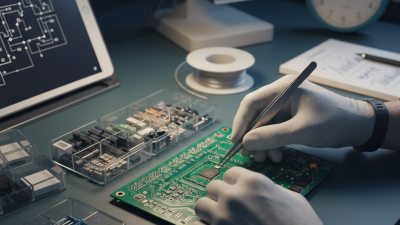
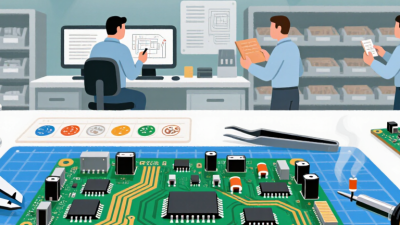
Circuit board assembly manufacturers turn bare printed circuit boards into working electronic assemblies. They review design files, confirm component specifications, and plan how parts will be placed. A useful partner may flag unclear footprints or spacing before production begins. Small corrections matter.

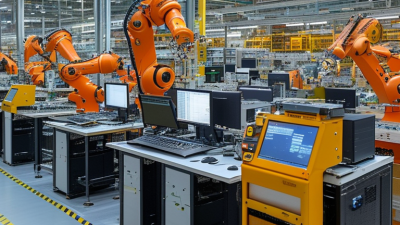
For surface-mount assembly, automated machines place tiny components onto solder paste. The boards then pass through a controlled heating process that bonds each part. Larger connectors or heat-sensitive components may require through-hole assembly or careful hand soldering. The method depends on the design, volume, and component mix. Not every board follows the same route.

Manufacturers also manage component sourcing, production records, and quality checks. Automated optical inspection can detect missing parts, shifted components, or visible solder defects. X-ray inspection may help examine hidden joints beneath certain packages. Electrical tests can verify connections and basic board function. Still, inspection is not magic; test coverage has limits, and unclear requirements can leave gaps. Engineers should discuss operating conditions, expected quantities, and acceptance criteria early. That conversation can shape a more practical build, though it may not prevent every issue.
How China's PCB Assembly Industry Is Structured

China’s PCB assembly industry is not a single, uniform market. It includes small workshops serving local equipment makers, mid-sized factories focused on particular product types, and large contract manufacturers handling complex production. These companies may offer surface-mount assembly, through-hole soldering, testing, and final product integration. Their capabilities vary, even within the same region.

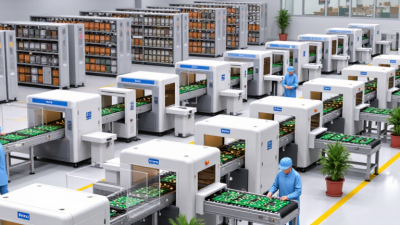
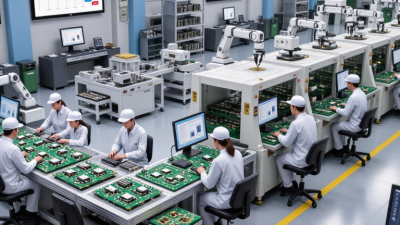
The supply chain often connects board fabrication, component sourcing, assembly, and inspection. Some factories manage several stages in-house; others rely on specialist partners. In a production line, solder paste is printed onto a bare board, components are placed by automated machines, and solder joints are checked after heating. Simple details matter: a misplaced component or inconsistent solder deposit can delay an entire batch. That is why buyers should review process controls, sample builds, and traceability records, rather than judging a factory by equipment photos alone.

Regional clusters can make component access and shipping more convenient, but location does not guarantee quality. Not every shop. A capable supplier should explain how it handles design-for-manufacturing feedback, component substitutions, and inspection criteria. It should also be clear about minimum order quantities and production lead times. The industry’s structure is practical, but not perfectly tidy; company labels rarely reveal the full extent of a factory’s strengths. A careful audit can still miss issues that appear only during repeated production.

Criteria for Evaluating Circuit Board Assembly Manufacturers

Choosing a circuit board assembly manufacturer requires more than comparing quotations. Ask how it controls solder paste, placement accuracy, reflow profiles, and inspection. Request recent first-pass yield, defect-per-million, and on-time delivery figures, with definitions and reporting periods. Numbers without context can mislead. A low unit price may hide rework, scrap, or long lead times.

Prismark’s 2023 industry report estimated global PCB production value at US$69.5 billion, down about 15% from 2022. That contraction makes capacity planning and financial resilience worth checking, not just headline price.

Review a supplier’s equipment list, preventive-maintenance records, and ability to trace components by lot. Ask for sample inspection records, such as X-ray images of hidden solder joints and optical inspection results. Verify relevant quality certifications, but confirm that documented procedures match the line you would actually use.

For a China-based shortlist, compare engineering support, change-control speed, and communication across time zones. Request a pilot build using your real design and materials. Track defects, yield, and response time through corrective actions.

A polished audit can still miss a weak night shift or rushed handoff. I would not treat one successful sample as proof; repeat the build, and examine what changed.

China's Top 10 Circuit Board Assembly Manufacturers

China's Top 10 Circuit Board Assembly Manufacturers

China’s top ten circuit board assembly manufacturers are best compared by capability, not headline production volume. Strong suppliers can handle surface-mount assembly, through-hole components, and mixed-technology boards. Look for clear engineering support, documented quality checks, and experience with your product’s complexity. A dense board with fine-pitch parts needs different process controls from a simple controller. The “top ten” label is not a universal ranking; capacity, service, and product fit vary.

Ask how each factory manages solder-paste inspection, automated optical inspection, and functional testing. Request sample reports, production references, and details about component sourcing and batch traceability. Compare prototype and volume-production lead times separately. A quick prototype quote may hide longer material waits. I would also check communication quality, though one unanswered email is not a complete assessment. That distinction is easy to overlook.

Tips: Send the same files and requirements to every candidate. Include board dimensions, quantities, testing needs, and delivery expectations. Ask who handles design questions and how changes are recorded. Compare written answers, not just prices. A neat factory tour helps, but it cannot replace verified process records.

How to Choose a Manufacturer for Your Project

Choosing a circuit board assembly manufacturer in China starts with your project’s actual needs. Define the board type, annual volume, component sourcing needs, and expected delivery schedule. Then ask whether the factory handles prototypes, surface-mount assembly, through-hole work, and inspection in-house. A capable supplier should explain its process clearly, not just promise a low price. Request sample inspection records and ask how it manages component substitutions. Small details matter, such as how moisture-sensitive parts are stored or how solder defects are recorded.

Tips: Send the same files to each candidate, including the bill of materials, Gerber data, and assembly drawings. Ask for a written quote that separates tooling, parts, testing, and shipping. Confirm who approves changes before production. Keep the first order small when possible.

Compare more than quoted cost. Review communication speed, engineering feedback, quality controls, and how the supplier handles a failed test. Ask for a sample build and inspect connector alignment, solder joints, and labeling under good light. If your design is still changing, confirm revision control and request updated records with each build. A factory may look strong on paper, yet respond slowly when a real issue appears. That is worth noticing. I would also leave room to reassess after the pilot run; one smooth sample does not guarantee consistent production.