Electronic Contract Manufacturing Service Provider in California

Why Choose Cellulose Fiber for Your Business?

Cellulose Fiber is gaining attention from businesses seeking renewable inputs, but its value depends on more than its origin. It can serve in packaging, paper, textiles, and specialty products, where strength, absorbency, texture, and processing behavior all matter. Cellulose researcher Dr. Orlando Rojas has described cellulose as “the most abundant biopolymer on Earth.” That abundance is promising. It does not guarantee a reliable supply or a suitable grade.

For buyers, the practical question is fit. Will the fiber run smoothly through existing equipment? How does it behave when exposed to moisture, heat, or repeated handling? A small sample may look uniform in a lab, then form clumps in a mixing tank. Details like fiber length, surface treatment, and storage conditions can change results. Test them early.

The business case may include renewable sourcing, product differentiation, or compatibility with existing materials. Each depends on the application and the evidence available. Ask suppliers for technical data, batch consistency information, and relevant test results. Compare those claims with your own production trials. That takes time. It may also reveal inconvenient trade-offs, such as higher processing costs or variable performance. A thoughtful evaluation of Cellulose Fiber starts with measurable requirements, not broad promises.
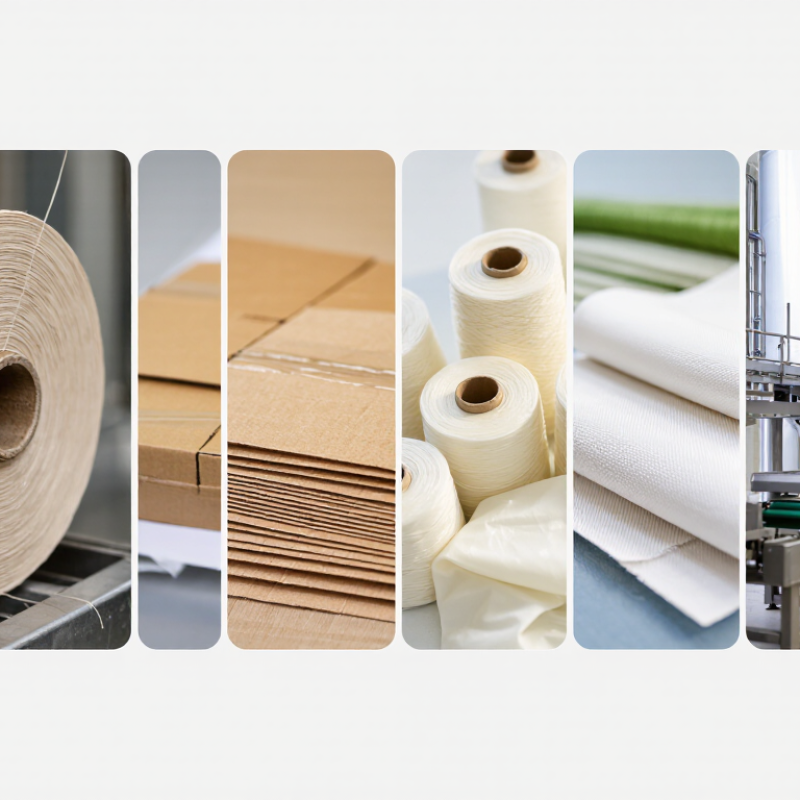
Why Choose Cellulose Fiber for Your Business?

What Cellulose Fiber Is and How It Is Produced

Why Choose Cellulose Fiber for Your Business?

What Cellulose Fiber Is and How It Is Produced

Cellulose fiber is made from cellulose, the structural material in plant cell walls. Common feedstocks include wood pulp and other plant-based materials. Production begins by cleaning and processing the feedstock to separate cellulose from lignin and other components. Depending on the intended use, the cellulose may be mechanically refined or dissolved and regenerated as fiber. The process influences strength, softness, absorbency, and consistency. The details matter.

In regenerated-fiber production, cellulose solution passes through tiny openings into a bath, where it solidifies into fine filaments. Other fibers retain more of the plant material’s original structure after pulping and refining. Not magic. These differences affect performance in products such as paper, textiles, packaging, and filters. A fiber that feels soft in a hand sample may behave differently on a high-speed production line. Buyers should check feedstock, processing methods, moisture response, and batch variation, then test samples under actual operating conditions. “Cellulose” alone tells you little about the complete material. Specifications can look reassuring while leaving real questions about sourcing or consistency; those gaps deserve a closer look.

Key Properties of Cellulose Fiber

Cellulose fiber combines a familiar plant-based structure with useful moisture management. Its hydroxyl groups attract water, helping fabrics absorb perspiration and feel less clammy than many purely hydrophobic fibers. The USDA Forest Products Laboratory’s Wood Handbook describes cellulose as a moisture-sensitive material; in practice, performance varies with fiber type, processing, and fabric construction. That variation matters. A soft sample swatch does not predict how a finished product will behave after repeated washing.

Cellulose can also provide a balance of strength, drape, and dye uptake, making it suitable for apparel, wipes, and other absorbent products. The Textile Exchange Materials Market Report 2024 estimates global fiber production reached 124 million tonnes in 2023, including about 7.9 million tonnes of man-made cellulosic fiber. That is a sizeable supply category, not a guarantee of low impact. Feedstock sourcing, chemical processing, and wastewater controls all shape the final footprint. Some cellulose fabrics wrinkle easily or lose strength when wet. Buyers should test the actual yarn and fabric, not rely on the fiber name alone. A small pilot run can reveal issues that a specification sheet misses.

Common Business Applications of Cellulose Fiber

Cellulose fiber serves businesses that need lightweight, plant-derived material with useful strength and texture. In packaging, it can reinforce molded trays, protective inserts, and paper-based cushioning. A well-made insert can hold its shape around a product while reducing reliance on heavier materials. Results depend on fiber length, processing, and the product’s exposure to moisture, so samples should be tested under real shipping conditions.

In paper products, cellulose fiber supports towels, filters, and specialty papers. Nonwoven applications include wipes and absorbent layers, where softness and liquid handling matter. Manufacturers also blend it into building panels and composite materials to adjust weight, surface feel, or stiffness. Performance is not automatic. Fiber type, binder, and production settings all affect the final result, and a blend that works in a dry carton may fail in a humid warehouse.

Tips: Match fiber grade to the job. Test strength, absorbency, and moisture response with your own equipment. Keep one sample for comparison.

Ask suppliers for specifications and test methods, then verify claims with small production trials. Track waste and handling issues, not just material cost. The first trial may look promising but still reveal uneven edges or slow drying. That is useful information, not a reason to skip testing.

Business Benefits of Choosing Cellulose Fiber

Why Choose Cellulose Fiber for Your Business?

Cellulose fiber can help businesses diversify material sourcing beyond fossil-based synthetics. It is made from plant-derived cellulose, often wood pulp, and can be engineered for soft, breathable fabrics or paper products.

Textile Exchange’s Materials Market Report 2024 estimates man-made cellulosic fibers accounted for about 6% of global fiber production in 2023. That is a meaningful supply category, but still a small share of a large market.

For product teams, the practical benefit is versatility. Different fiber types can suit apparel, wipes, packaging, and other applications. A soft fabric sample on the table may feel promising; production performance still depends on the blend, yarn, and finishing process.

Cellulose can also reduce reliance on fossil-based feedstocks, though that alone does not establish a lower environmental footprint.

Sourcing details matter. Ask suppliers about forest origin, chain-of-custody records, water use, energy, and chemical recovery.

The Textile Exchange figure describes market volume, not environmental performance. That distinction is easy to miss. Impacts vary by fiber type, manufacturing site, and feedstock, so compare credible product-specific data before making claims.

Cellulose fiber can support a strong materials strategy, but it is not an automatic sustainability win.

Factors to Consider When Selecting Cellulose Fiber

Selecting cellulose fiber starts with the end product, not a sustainability claim. Textile Exchange’s Materials Market Report 2024 estimates that global fiber production reached 124 million tonnes in 2023; man-made cellulosic fibers accounted for about 6.4 million tonnes. That scale signals an established market, but it does not guarantee dependable supply or consistent performance for your process.

Check fiber length, moisture, purity, and batch variation against the needs of your equipment. For paper or packaging, uneven fibers can affect sheet formation and strength. For nonwovens, they may change absorbency or web uniformity. Ask suppliers for test methods and recent batch data, then run a small production trial.

Small differences matter. Also compare delivered cost, not just quoted price: transport, storage, and processing losses can shift the economics. Forest Stewardship Council and Programme for the Endorsement of Forest Certification chain-of-custody records may help assess sourcing, but certification alone cannot prove product suitability.

Be candid about trade-offs; cellulose can absorb moisture, and that may be a benefit in one use and a problem in another. A trial may still expose factors your specification missed.