Electronic Contract Manufacturing Service Provider in California

Top 10 Tips for Efficient Board Assembly Process?

In today’s competitive landscape, the efficiency of the board assembly process is paramount. Data from the IPC (Association Connecting Electronics Industries) indicates that inefficiencies in this area can lead to increased production costs by as much as 25%. Industry expert Dr. Sarah Thompson, a leading consultant on electronic manufacturing processes, highlights, “An efficient board assembly process is not just a cost-saver; it is a competitive advantage.”

Companies that streamline their board assembly operations often see significant improvements in product quality and time-to-market. With the average cycle time for board assembly ranging from 3 to 14 days, businesses must constantly seek ways to optimize each step. Many teams face common pitfalls, such as inadequate planning and poor communication, which can hinder progress.

Despite advancements in automation and technology, human oversight remains crucial. Manufacturers must balance automated efficiency with the insights that experienced personnel bring. Therefore, adopting best practices is essential for minimizing errors and maximizing output. The journey toward perfecting board assembly is ongoing, requiring reflection and adaptation in an ever-evolving industry landscape.
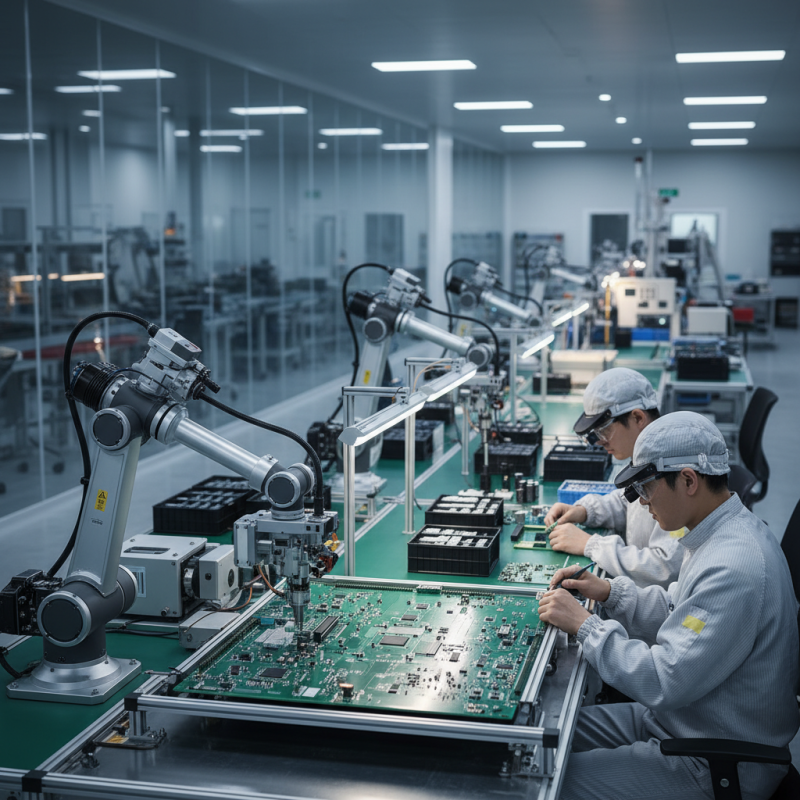
Top 10 Tips for Efficient Board Assembly Process?

Understanding the Board Assembly Process: An Overview

The board assembly process is critical in electronic manufacturing. It involves several intricate steps, each requiring precision and attention to detail. Initially, raw materials like printed circuit boards (PCBs) and electronic components are prepared. This phase sets the foundation for a successful assembly. Any oversight here can lead to costly mistakes later.

Next, components are carefully placed on the PCB. Automated machines often handle this, but human oversight remains vital. Operators should regularly check for misalignment or defects. An empathetic approach to potential errors fosters a culture of quality control. Ignoring these small details can lead to bigger issues down the road.

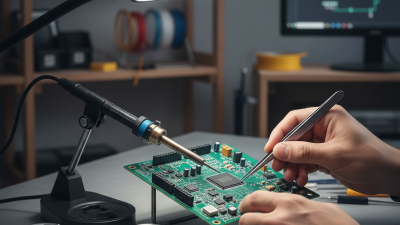
Soldering follows, either through wave soldering or reflow methods. Each technique has its challenges, which can include temperature inconsistencies. Operators must monitor the soldering process closely to ensure reliability. A well-executed solder joint is essential for durability. The board assembly process requires a delicate balance of technology and human skill, highlighting the necessity for continuous improvement.

Top 10 Tips for Efficient Board Assembly Process

Tip Number Tip Description Expected Outcome
1 Invest in Quality Components Use reliable components to minimize failures. Reduced rework and higher reliability.
2 Optimize Layout Design Ensure components are placed to minimize paths. Improved efficiency in assembly.
3 Automate Where Possible Use machines to handle repetitive tasks. Increased speed and consistency.
4 Implement Standard Operating Procedures Document best practices for each assembly step. Enhanced training and reduced errors.
5 Invest in Employee Training Regularly train workers on the latest techniques. Higher skill level and improved output quality.
6 Conduct Regular Maintenance Ensure all machinery is well-maintained. Reduced downtime and operational disruptions.
7 Use Efficient Inventory Management Track and organize parts elegantly to avoid shortages. Reduced delays in production.
8 Gather Feedback from Assembly Team Encourage input from workers for process improvement. Enhanced employee engagement and increased suggestions for process improvements.
9 Implement Lean Manufacturing Principles Minimize waste in every aspect of production. Increased efficiency and reduced costs.
10 Utilize Advanced Technologies Incorporate AI and IoT for smarter operations. Enhanced performance and predictive maintenance.

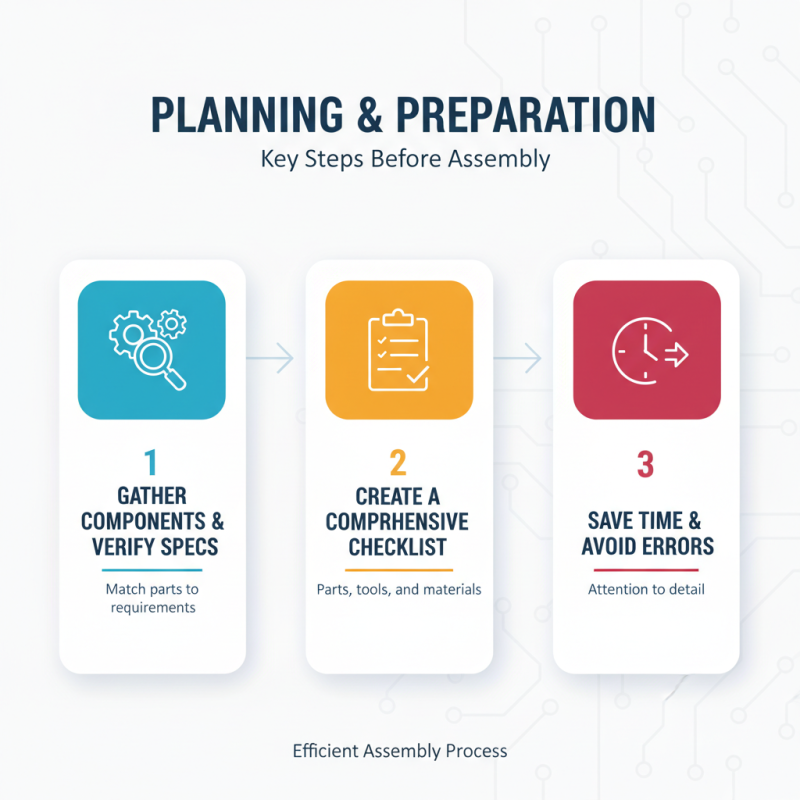
Planning and Preparation: Key Steps Before Assembly

Top 10 Tips for Efficient Board Assembly Process?

When preparing for an efficient board assembly process, planning is crucial. Gathering all necessary components is the first step. This includes verifying that all parts match the specifications. Attention to detail saves time later. Make a checklist of every part and tool required. A comprehensive list ensures no crucial elements are overlooked.

Effective communication with your team is vital. Share the assembly plan and assign roles. Each member should know their tasks. This not only speeds up the process but also minimizes errors. Encouragement can boost morale. Celebrate small victories along the way.

Consider potential challenges. Unexpected issues may arise during assembly. Anticipating these can prevent frustration. It’s wise to conduct a trial run to identify weak points. Expecting the unexpected encourages adaptability. The right mindset can transform challenges into learning experiences. The assembly process can be efficient, but preparation is key. Proper planning lays the groundwork for success.

Optimizing Workflow: Best Practices for Efficient Assembly

In the world of board assembly, optimizing workflow is crucial for efficiency. Streamlined processes ensure that every minute counts. One effective strategy is implementing standardized work protocols. These protocols create consistency and reduce errors. Staff trained in these methods can complete tasks more swiftly. However, it’s vital to regularly revisit these protocols to identify potential areas for improvement.

Another approach is embracing technology. Utilizing automated tools can significantly speed up assembly tasks. For instance, robotic arms can handle repetitive tasks. Yet, reliance on technology requires ongoing maintenance and staff training. Regular assessments of tool performance can prevent unforeseen delays. It's essential to evaluate the effectiveness of new tools and make adjustments accordingly.

Fostering collaboration among team members enhances communication. Open dialogues can expose bottlenecks and inefficiencies. While team dynamics are beneficial, it's crucial not to overlook individual roles. Each member should understand their contribution to the larger process. Reflection on team performance can reveal insights that drive ongoing improvements in assembly workflows.

Top 10 Tips for Efficient Board Assembly Process

Quality Control: Ensuring Accuracy in Board Assembly

Quality control is crucial in the board assembly process. Inaccuracies can lead to costly rework and delays. According to industry reports, about 30% of all electronic failures are due to assembly errors. Implementing stringent quality control measures can drastically reduce this figure. Regular inspections and testing at different assembly stages help catch potential issues early.

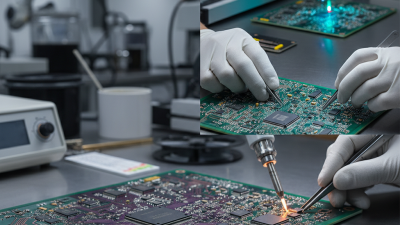
One effective strategy involves using automated optical inspection (AOI) systems. These systems can detect defects in solder joints, component placement, and other critical areas. A report by the IPC stated that employing AOI reduces defects by up to 90%. However, relying solely on automated systems is not enough. Training and skilled workers are necessary to interpret results accurately and make necessary adjustments.

Additionally, embracing a culture of continuous improvement is vital. Manufacturers often overlook the importance of employee feedback in the assembly process. Encouraging operators to report issues and suggest improvements can enhance quality significantly. Despite best efforts, defects may still occur. Regular audits and reviewing processes can identify areas for betterment. Quality control in board assembly is not just a checklist; it requires ongoing commitment and attention to detail.

Post-Assembly Review: Lessons Learned for Future Projects

In the world of board assembly, a post-assembly review is essential. This step helps teams identify successes and challenges faced during the process. Reflecting on what went well provides a solid foundation for future projects. For instance, if a specific component consistently caused delays, it’s crucial to analyze why. Identifying the root cause can lead to better sourcing or design changes.

Additionally, gathering feedback from team members is vital. Encouraging open discussions can reveal overlooked issues. Perhaps there was confusion about assembly instructions or an unexpected shortage of materials. These insights are invaluable. They help teams streamline workflows and enhance communication for the next project.

Finally, documenting lessons learned is key. Create a clear report detailing what the team accomplished and what needs improvement. This would serve as a reference that can prevent repeating mistakes. Constant reflection on past experiences builds a more robust assembly process. Embracing imperfections allows teams to continuously grow and adapt.