2026 Top Hybrid Inverter Features You Should Know?
As we approach 2026, the importance of Hybrid Inverters continues to grow. These devices are crucial for integrating renewable energy sources, like solar panels, into our homes. With energy costs on the rise, understanding the features of Hybrid Inverters is essential for making informed decisions.
A Hybrid Inverter combines multiple energy sources. Its ability to manage energy from batteries and the grid offers flexibility. This technology enables users to maximize energy savings and reduce their carbon footprint. Several features stand out in 2026. For instance, advanced monitoring capabilities allow real-time tracking of energy usage. These insights empower users to optimize their consumption.
While Hybrid Inverters offer great benefits, they also present challenges. Many users struggle to choose the right model. Features can vary significantly among brands. Therefore, careful consideration is needed. Also, installation complexities can be daunting without professional help. Evaluating both pros and cons can lead to a more effective choice, ultimately ensuring a reliable energy solution for the future.
Key Characteristics of 2026 Hybrid Inverters You Must Consider
When exploring the key characteristics of 2026 hybrid inverters, efficiency stands out as a critical factor. Reports indicate that top models this year are achieving conversion efficiencies exceeding 98%. This means more solar energy gets converted to usable electricity, reducing waste. Additionally, features like smart grid compatibility are becoming increasingly vital, allowing systems to communicate effectively with the utility grid.
Another important characteristic is battery integration. Many hybrid inverters now support both lithium-ion and lead-acid batteries, giving consumers flexibility. Data suggests that systems capable of managing energy storage can enhance self-consumption by over 30%. This not only maximizes savings but also aids in grid stability during peak periods.
Tip: Always assess your energy needs and choose an inverter that matches your specific requirements. Think about future scalability, as energy technology is evolving rapidly.
Tip: Consider inverters that offer remote monitoring. This feature lets you track performance, ensuring your system operates efficiently. It also allows for troubleshooting without professional assistance, which can save you time and money.
Advantages of Using Hybrid Inverters in Modern Energy Systems
Hybrid inverters have become crucial in modern energy systems. They intelligently combine solar power generation and energy storage. According to a recent report from the International Renewable Energy Agency (IRENA), hybrid systems can enhance energy efficiency by up to 30%. With the rising demand for sustainable energy, these inverters stand out for their adaptability.
One significant advantage is their ability to optimize energy use. Hybrid inverters can manage solar, battery, and grid power simultaneously. This feature offers flexibility, particularly during peak hours when energy rates are highest. A study by the U.S. Department of Energy shows that homes equipped with hybrid inverters can reduce their electricity bills by as much as 50%. However, the integration process can be complex. Homeowners may require professional installation to achieve optimal performance.
Another notable feature is their reliability during outages. Hybrid inverters can supply power even when the grid is down. This capability is vital as extreme weather events increase. A report from the National Renewable Energy Laboratory indicates that energy storage can improve resilience. However, consumers need to consider initial costs versus long-term savings. Investing in hybrid systems requires careful consideration of energy needs and financial implications.
Understanding Efficiency Ratings and Performance Metrics
When considering hybrid inverters, understanding efficiency ratings is crucial. Efficiency ratings typically reflect how well an inverter converts DC power to AC power. Most top models today achieve an efficiency rating above 95%. According to industry reports, continuous advancements in technology are pushing this number even higher. However, achieving high efficiency at various loads remains a challenge. The performance of hybrid inverters can vary significantly, especially under partial load conditions.
Performance metrics also include the inverter’s operational temperature range and grid compliance. Research suggests that inverters performing optimally at higher temperatures may last longer and reduce the risk of overheating. Additionally, many have functionalities that allow them to operate seamlessly in off-grid settings. Nonetheless, these features can sometimes lead to a complex user interface that complicates installation and maintenance. It’s essential to weigh the benefits against the potential for user error or misconfiguration.
Furthermore, lifespan and warranty terms vary widely among products. Some reports indicate that top performers can function efficiently for over a decade. However, it's crucial to recognize that not all inverters can guarantee the same longevity. Users may find themselves needing replacements sooner than expected due to unforeseen technical issues. This factor highlights the importance of thorough research and consultation with professional installers before making a decision.
Integration with Renewable Energy Sources: What's New in 2026?
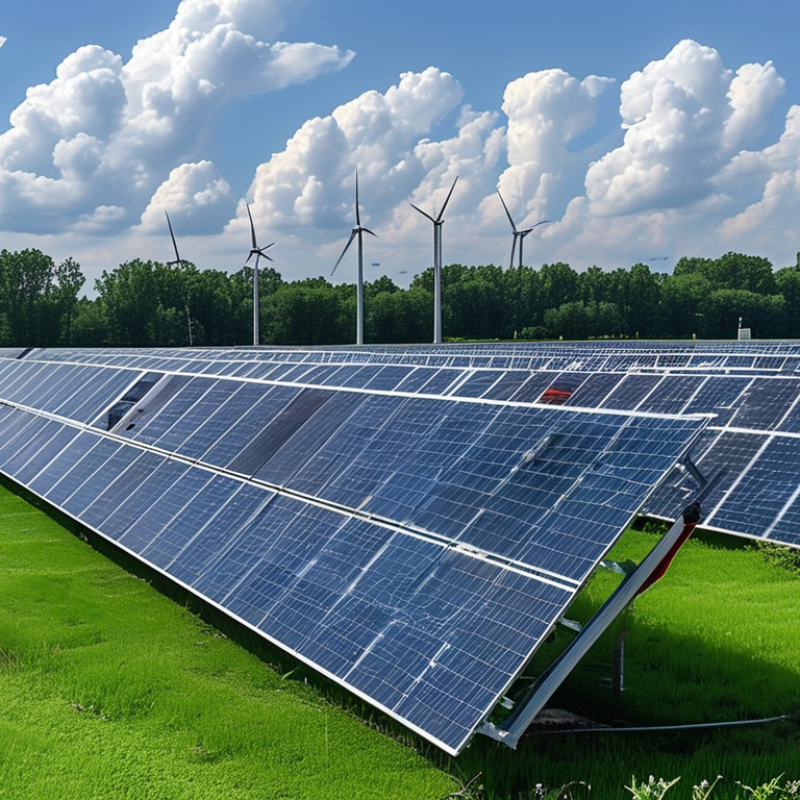
As we look towards 2026, the integration of hybrid inverters with renewable energy sources is an exciting development. The latest models boast advanced features that enhance compatibility with solar panels and wind turbines. These inverters can efficiently manage energy from various sources, enabling users to optimize their energy consumption. Users can experience significant cost savings by harnessing clean energy more effectively.
New communication technologies are also making waves. Modern hybrid inverters feature smart connectivity options, allowing for real-time monitoring. This capability gives users insights into their energy generation and consumption. However, not all systems are foolproof. Some users have reported issues with app functionality, indicating a need for improvement in user interface design. Addressing these shortcomings will be essential for widespread adoption.
Moreover, some hybrid inverters now incorporate artificial intelligence. This allows for predictive maintenance and improved energy management. Yet, the reliance on technology raises questions about reliability. If the software fails, it could leave users in the dark. Continuous development and rigorous testing are crucial to ensure the dependability of these innovations, especially as more people turn to renewable energy solutions.
Smart Features and User Interfaces in 2026 Hybrid Inverters
In 2026, hybrid inverters are redefining user interfaces with smart technology. Modern designs prioritize usability and accessibility for all users. Touchscreen displays provide clear data on energy usage and battery status. These intuitive interfaces can simplify the decision-making process for energy management.
Voice control integration is another emerging feature. Users can manage their systems verbally, enhancing convenience. However, the reliability of voice recognition sometimes falls short. This inconsistency can lead to frustration for users who expect seamless interaction. It is essential for manufacturers to improve these systems continually.
Mobile apps also play a critical role. They allow users to monitor performance remotely. Users can receive real-time alerts and notifications, ensuring they stay informed. Yet, privacy concerns are growing as well. Data security must be addressed to build user confidence in these connected systems. Overall, the evolution of hybrid inverters in 2026 shows promise, but challenges remain.
2026 Top Hybrid Inverter Features You Should Know
| Feature | Description | User Benefit |
| Real-Time Monitoring | Users can track energy production and consumption in real-time through a mobile app. | Enhanced awareness and control over energy usage. |
| Smart Load Management | Automatically prioritizes power to essential loads during outages. | Increased reliability during power interruptions. |
| Multi-Mode Operation | Supports grid-tied, off-grid, and hybrid modes for versatility. | Flexibility in various energy scenarios and locations. |
| AI-Powered Optimization | Uses artificial intelligence to optimize energy use based on user patterns. | Improves overall energy efficiency and savings. |
| Enhanced User Interface | Intuitive touchscreen displays with customizable dashboards. | Easier navigation and accessibility of information. |
| Remote Firmware Updates | Automatic updates to ensure the inverter has the latest features and improvements. | Sustained peak performance without user intervention. |
| Battery Management System | Monitors battery health and optimizes charging cycles for longevity. | Prolongs battery lifespan and improves efficiency. |