Top Car Elevator Platform Manufacturers for Global Buyers?
Choosing among the top Car Elevator Platform manufacturers requires more than comparing prices and lifting capacity. Global buyers must examine engineering quality, installation experience, safety systems, and long-term service support. A reliable platform should move vehicles smoothly between levels, even in demanding commercial environments. Clear specifications matter.
Experienced manufacturers usually provide detailed load charts, platform dimensions, travel speed, control methods, and emergency procedures. Buyers should also review factory testing records, maintenance guidance, warranty terms, and previous international projects. Photos can help, but verified performance data carries greater value. Ask difficult questions.
Site conditions often change the final decision. A narrow basement entrance, limited ceiling height, drainage concerns, or frequent vehicle movement can affect the design. For example, a platform serving a busy showroom may need faster cycles than one installed in a private residence. Local technicians, spare-part availability, and remote troubleshooting can reduce costly downtime.
However, manufacturer claims should not be accepted without careful verification. Some brochures simplify technical limitations or present ideal operating conditions. Independent inspections and reference checks remain useful, although they may require extra time. This review explores reputable Car Elevator Platform manufacturers for global buyers, focusing on practical performance, customization, compliance awareness, and dependable after-sales support. The goal is not to name a single winner. It is to help buyers compare evidence, recognize hidden risks, and select equipment that fits real operating needs. Reliability is built through details.
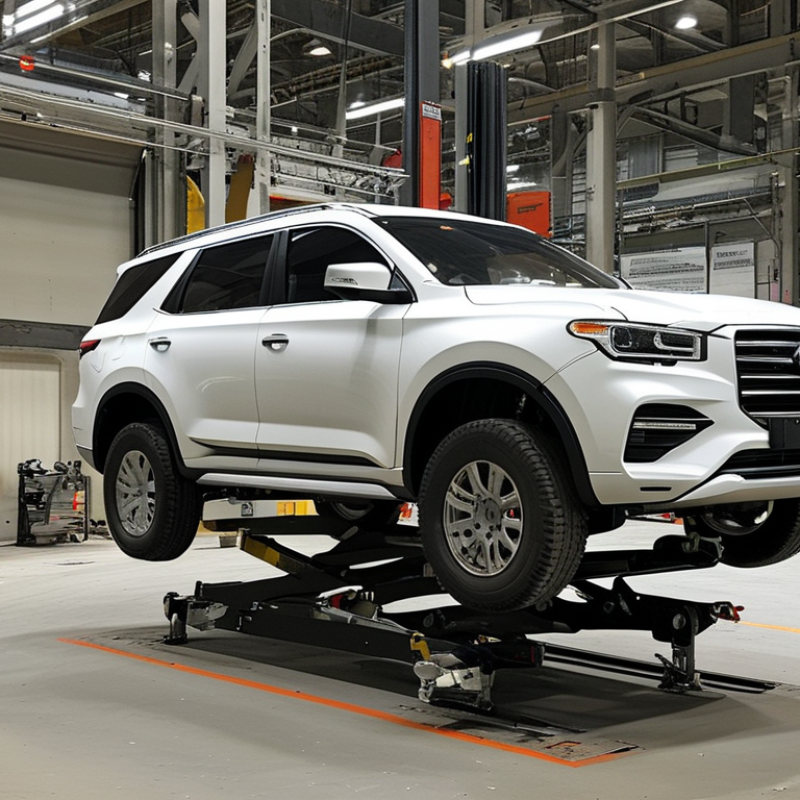
Car Elevator Platforms Defined: Types, Loads, and Drive Technologies
Car elevator platforms move vehicles between levels where ramps waste valuable space. Unlike passenger elevators, they are engineered around wheel loads, axle spacing, and turning clearance. Common types include vertical car elevators, scissor platforms, and hydraulic lifting tables. Vertical systems suit multilevel garages. Scissor designs work well with shorter travel heights. Hydraulic tables can fit compact sites, but their pits need proper drainage and maintenance access. A platform is not simply a large floor. Details matter.
Load selection begins with the heaviest permitted vehicle, not an average sedan. Engineers check gross vehicle weight, axle concentration, tire position, and loading impact. A 3,000-kilogram rating may fail if uneven axle loads receive little attention. Platform length and width should allow doors, mirrors, and safe pedestrian clearance. Anti-slip decking, edge protection, emergency lowering, and interlocked gates improve operating reliability. In practice, users often underestimate SUVs and delivery vans. That mistake is expensive.
Drive technology affects noise, speed, and service requirements. Hydraulic drives provide strong lifting force and smooth low-speed movement for heavy platforms. Traction systems support efficient vertical travel but require balanced loads and precise controls. Screw-driven platforms offer stable positioning at moderate heights. Electric motors with variable-frequency control can reduce jolts and energy waste. No design is universal. A damp underground garage may accelerate seal and electrical-component wear. Buyers should request load diagrams, duty-cycle data, safety test records, and maintenance schedules from manufacturers. Good paperwork reveals more than polished photographs.
Global Demand Context: OICA Recorded 93.5 Million Vehicles in 2023
OICA recorded 93.5 million vehicles in 2023, showing the scale of global automotive production and movement.
This volume supports demand for space-saving parking equipment, especially in dense cities, dealerships, hotels, and residential developments. However, vehicle output is not a direct forecast for car elevator sales. Local construction rules, land prices, and parking habits matter just as much.
For global buyers, leading car elevator platform manufacturers should demonstrate practical engineering experience, not only attractive catalogs.
Ask for verified load ratings, platform dimensions, travel speed, pit depth, and operating temperature ranges. A reliable supplier can explain how its equipment handles heavy SUVs, uneven loading, drainage, and repeated daily cycles. Factory inspection records, documented safety testing, and clear installation procedures also reveal professional competence. Small details matter. Emergency lowering systems and door interlocks should be tested, not merely listed.
Buyers should compare after-sales response times, spare-part availability, and technician training before signing a contract.
A manufacturer with overseas project experience may understand shipping, commissioning, and local inspection requirements better. Yet experience can be uneven across regions. Request recent references and inspect maintenance records where possible. One weakness remains common: buyers sometimes choose the lowest quotation before checking total lifecycle cost. That decision may create expensive delays later. Careful evaluation is slower, but often more realistic.
Safety and Compliance: ASME A17.1/CSA B44, EN 81-20, and ISO 9001
For global buyers, a car elevator manufacturer should demonstrate more than lifting capacity and polished photographs. ASME A17.1/CSA B44 provides a key safety framework in North America, covering equipment design, controls, doors, and emergency operation. Buyers should request current certificates, test records, engineering calculations, and evidence of inspection by qualified professionals.
In Europe, EN 81-20 addresses passenger and goods lift safety, including car doors, landing protection, clearances, and control systems. A reliable manufacturer should explain how the platform matches the selected installation category. Ask about pit depth, overhead space, load distribution, emergency lowering, and door interlocks. Small details matter. A misaligned sensor can stop a busy facility.
ISO 9001 concerns the manufacturer’s quality management system, not automatic product approval. Its value appears in traceable materials, documented inspections, corrective actions, and controlled design changes. During supplier evaluations, global buyers should check whether factory procedures match actual production. A certificate alone may hide weak field support. Standards are also interpreted differently by local authorities, and project documents can become outdated. I have seen technically strong designs delayed because approval drawings missed a regional requirement. That gap deserves honest discussion before purchase.
Manufacturer Shortlist: Capacity, Speed, Pit Depth, and Cycle Ratings
Top Car Elevator Platform Manufacturers for Global Buyers?
A reliable shortlist starts with capacity, not glossy travel speed. For passenger vehicles, screen platforms from 2,500 to 3,500 kilograms. Heavy-duty systems may require 5,000 kilograms or more. CIBSE Guide D:2020 evaluates lift performance through handling capacity, interval, and waiting time. These measures expose weak specifications. A 0.5-metre-per-second platform may outperform a faster unit in a crowded garage.
Pit depth deserves equal attention. Many compact installations need about 1.2 to 1.8 metres, while heavier systems can exceed 2 metres. Confirm overhead clearance, drainage, seismic design, and rescue access before comparing quotations. ISO 8100-32:2020 recommends studying traffic patterns and vehicle flow during planning. A tight pit is helpful. It can also create maintenance compromises.
Cycle ratings should state daily cycles, load percentage, and tested duty conditions. A practical screening range is 100 to 300 cycles per day for moderate commercial use, but intensive facilities need documented endurance testing. Request measured door-opening time, platform leveling accuracy, and recovery time after faults. EN 81-20 and ASME A17.1/CSA B44 provide useful safety references, though local approval remains decisive. Numbers deceive. I would also challenge unusually low pit-depth claims; they may exclude drainage equipment, buffers, or service tolerances.
Global Buyer Comparison: Certifications, Installation, Warranty, and Parts
Global buyers should compare car elevator platform manufacturers through evidence, not polished brochures. The IEA’s Global EV Outlook 2025 reports that electric car sales exceeded 17 million in 2024. More vehicles now require heavier platforms, stronger charging-area protection, and reliable daily cycling. Ask for certification matching the destination market, such as EN 14010, ASME A17.1/CSA B44, or applicable local machinery rules. ISO 9001 supports manufacturing control, but it does not replace product safety certification.
Installation quality often decides lifetime performance. Request stamped load calculations, foundation drawings, seismic assumptions, electrical diagrams, and a documented commissioning checklist. A competent installer should measure pit depth, headroom, vehicle dimensions, drainage, and emergency access before production. The Global Elevator Alliance’s safety guidance repeatedly stresses inspection, maintenance, and competent personnel. That sounds obvious. It is still missed.
Warranty terms need sharper questions. Does coverage include the hydraulic pump, control board, sensors, seals, and structural steel? Who pays for labor and international freight? A useful agreement states response times, spare-parts availability, remote diagnostics, and local service responsibility. The U.S. Department of Energy’s 2024 Transportation Energy Data Book shows vehicle ownership remains a major household expense, so downtime has a real cost. A five-year warranty can look impressive, yet unavailable parts may make it meaningless. I would also request references from installations operating for at least three years. Photos are not enough. Service records reveal more.