Top Benefits of Automated Storage Systems for Global Buyers?
The rise of Automated Storage Systems marks a significant shift in logistics and inventory management. These systems enhance efficiency and reduce human error in storage processes. Businesses worldwide are turning to automated solutions to streamline their operations.
One major benefit is the optimization of space. Automated Storage Systems can utilize vertical spaces effectively, providing extra storage without expanding the footprint. This is crucial for global buyers facing tight real estate markets. Additionally, these systems can handle various products, adapting easily to different inventory needs.
However, it's important to approach automation thoughtfully. Companies must assess their specific needs. Implementing an Automated Storage System can be an investment that requires careful planning. Issues can arise if the system is not properly integrated. Failure to do so can lead to unexpected challenges in daily operations. Thus, understanding both the advantages and potential pitfalls is essential.
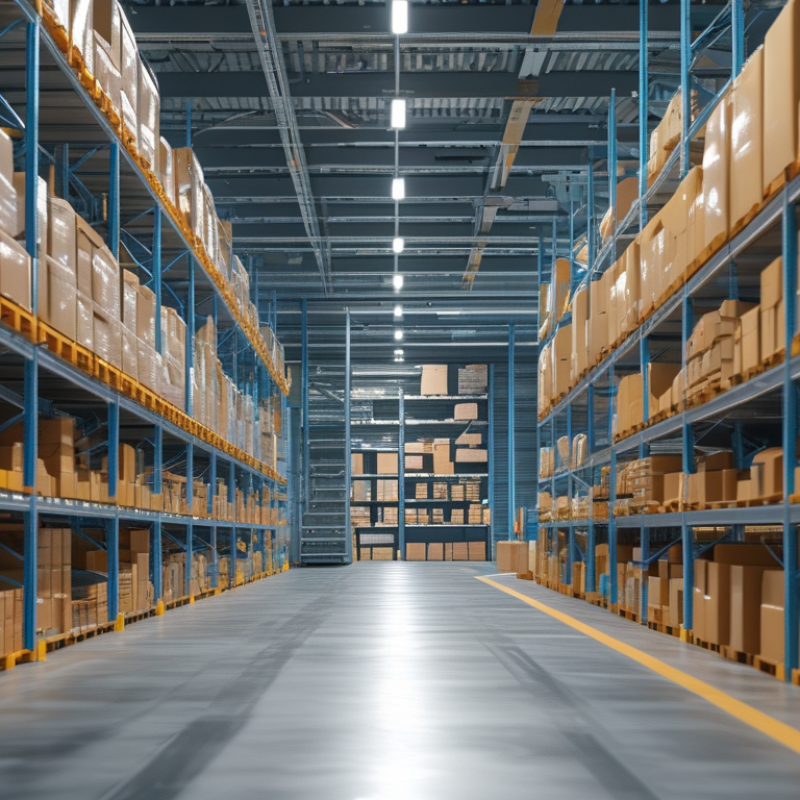
Top Benefits of Automated Storage Systems for Global Buyers
Automated storage systems offer numerous benefits for global buyers. These systems increase efficiency by reducing the time required for inventory retrieval and storage. Workers can quickly find the products they need. This leads to faster order fulfillment and ultimately enhances customer satisfaction.
Moreover, automated systems maximize space utilization. In warehouses where space is limited, these systems can store more items in smaller areas. They use vertical space better than traditional storage. However, implementing such systems can be a challenge. Initial costs may be high, and the technology can be complex. Staff might require extensive training to adapt to these new systems.
Reliability is another key benefit. Automated storage systems reduce human error. Fewer mistakes lead to better data accuracy on inventory levels. Yet, they still require regular maintenance. Buyers must be prepared for potential downtimes. Balancing automation with human oversight can be crucial to sustaining performance over time.
Enhanced Efficiency Through Advanced Automation Technologies
Automated storage systems significantly boost operational efficiency for businesses worldwide. Advanced automation technologies streamline inventory management and reduce operational costs. According to a recent study by the Material Handling Industry, companies utilizing automation report up to a 30% increase in throughput. This improvement is critical in today's fast-paced market.
Real-time tracking systems enhance visibility. They allow for precise inventory management, minimizing errors and delays. An estimated 65% of businesses have noted reduced picking errors when implementing automated solutions. Such systems may seem costly initially, but the long-term savings on labor and improvements in accuracy warrant consideration.
However, while automation offers many advantages, it requires a thoughtful approach. Companies must invest in training and maintenance to ensure optimal performance. The integration of automated systems can also be complex, leading to initial disruptions. Reflecting on these challenges is essential to fully benefit from automated technologies.
Cost Savings: Analyzing ROI for Automated Storage Solutions
Automated storage systems are increasingly essential for global buyers seeking cost savings. The return on investment (ROI) becomes clearer when examining the direct benefits. Lower operational costs are often the first noticeable change. Reduced labor requirements lead to significant savings. It’s crucial to consider the initial investment compared to the long-term gains.
Streamlined inventory management is another key factor. These systems improve space efficiency, reducing overhead costs significantly. However, it’s not always smooth sailing. Companies may encounter challenges during integration. Poor implementation can lead to unexpected downtime and lost productivity. Evaluating these potential pitfalls is vital for informed decision-making.
Maintenance costs can also be unpredictable. While automation reduces human error, machinery requires upkeep. This may generate additional costs that can affect overall ROI. Regular audits and a solid maintenance plan are recommended. Buyers should weigh these factors carefully. Understanding both the benefits and potential drawbacks is essential for maximizing returns.
Top Benefits of Automated Storage Systems for Global Buyers
This chart illustrates the estimated cost savings and ROI benefits associated with implementing automated storage solutions in warehouses.
Inventory Management Optimization with Real-time Data Analytics
Automated storage systems are transforming inventory management. Real-time data analytics plays a crucial role in this shift. Businesses can access live data about stock levels, which enhances decision-making. This immediacy helps mitigate stockouts and overstock situations. However, data accuracy is critical. Inaccurate data can lead to poor choices.
With automation, warehouse operations become streamlined. Automated systems ensure that items are stored and retrieved efficiently. Workers can focus on more strategic tasks, instead of mundane searching. Yet, there can be technical glitches. Systems may require frequent updates and maintenance to function correctly.
Training employees on these advanced systems is vital. Even the best technology can falter without skilled hands. Real-time analytics can show trends, but interpreting that data correctly is a challenge. Companies must foster a culture of continuous learning. Addressing these issues will optimize their investment in automated storage.
Top Benefits of Automated Storage Systems for Global Buyers
| Benefit | Description | Impact | Example Metrics |
| Increased Efficiency | Automated systems reduce the time spent on manual inventory tasks. | Higher turnover rates, fewer labor hours. | 20% reduction in pick time |
| Real-time Data | Instant access to inventory levels and item locations. | Improved decision-making and stock management. | 95% accuracy in inventory tracking |
| Space Optimization | Maximizes storage capacity with minimized waste. | Lower storage costs and enhanced capacity. | 30% more storage capacity |
| Cost Reduction | Lowers labor costs and minimizes errors, reducing waste. | Decreased operational costs. | 15% decrease in operating costs |
Space Utilization and Scalability in Modern Warehousing Systems
Automated storage systems are revolutionizing warehouse efficiency. One of the key benefits is improved space utilization. According to recent data, nearly 70% of warehouse space is underutilized. Automated systems can increase storage density by up to 50%. This means that companies can store more products without the need for additional warehouse space.
Scalability is another significant advantage. Businesses often face fluctuating demand. Automated systems can adapt quickly. For instance, integrating robotics can enable warehouses to increase throughput by 30% during peak seasons. The flexibility of these systems allows for adjustments based on inventory needs. However, the initial investment remains a concern for smaller operations.
Moreover, while automation enhances efficiency, it requires ongoing training for staff. Misunderstandings or lack of expertise can lead to operational inefficiencies. Regular assessments can help maintain optimal performance. In this fast-evolving landscape, staying updated with technology trends is crucial for maximizing the benefits of automated storage systems.
Conclusion
Automated Storage Systems offer numerous benefits to global buyers, significantly enhancing efficiency through advanced automation technologies. By streamlining processes, these systems enable companies to maximize their operational capabilities, leading to cost savings and a favorable return on investment (ROI) for automated storage solutions. Real-time data analytics play a crucial role in optimizing inventory management, allowing businesses to maintain precise stock levels and respond swiftly to market demands.
Furthermore, modern warehousing systems equipped with Automated Storage Systems facilitate better space utilization and scalability, adapting to changing business needs. Safety improvements are also a critical advantage, as these systems help reduce labor risks associated with manual handling and increase overall workplace safety. In summary, the adoption of Automated Storage Systems is a strategic choice for buyers seeking to elevate their logistical efficiency and operational safety while optimizing costs.