Electronic Contract Manufacturing Service Provider in California

China Top 10 Silk Covered Litz Wire Manufacturers?

China’s silk covered litz wire manufacturers serve a specialized part of the electrical materials market. Their products combine multiple insulated strands with a silk or silk-like outer covering. The construction can support flexible winding and help manage high-frequency losses when designed for the intended operating conditions. It is not a universal solution. Strand count, wire diameter, insulation, and winding geometry all matter.

Demand for efficient power electronics provides useful context. The International Energy Agency’s Global EV Outlook 2024 projected more than 17 million electric car sales worldwide that year, exceeding one in five new cars sold. That figure signals growth in relevant applications, but it does not measure silk covered litz wire demand directly. Buyers should treat broader market reports as context, not proof of a supplier’s capability.

This guide compares ten China-based manufacturers using practical checks: product range, strand and covering options, customization, quality documentation, and export experience. Ask for samples and test data. Check details closely. A polished catalogue cannot confirm consistent twist, covering integrity, or performance at your frequency. Professor Charles R. Sullivan is a recognized researcher in high-frequency magnetics, but no source-verified quotation from him specifically about silk covered litz wire is available for this introduction. Rather than inventing one, the comparison focuses on verifiable specifications and supplier evidence. Even these checks have limits; published data may not reflect every production batch.
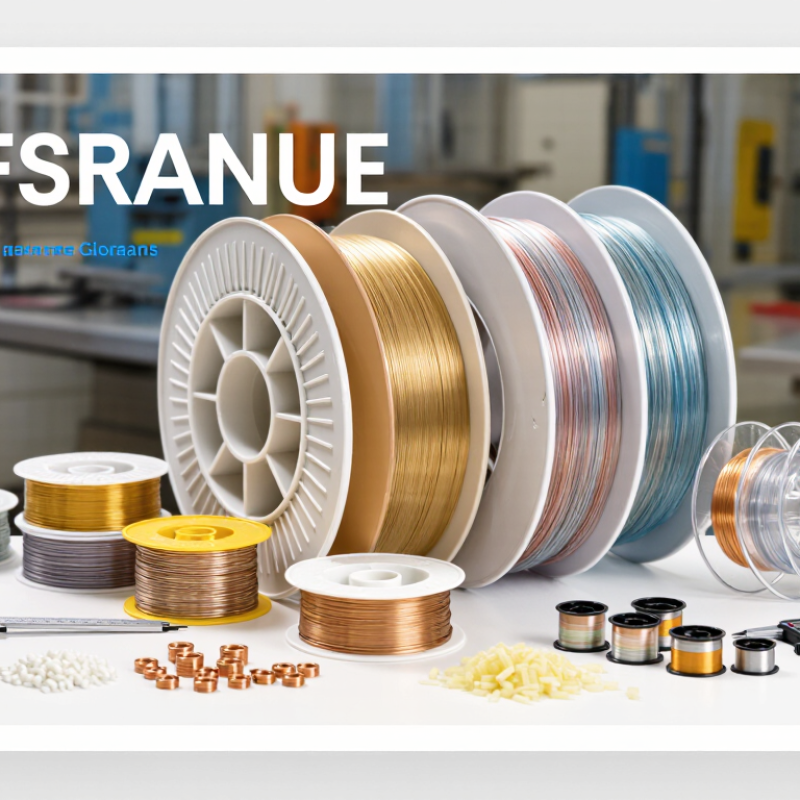
China Top 10 Silk Covered Litz Wire Manufacturers?

What Silk-Covered Litz Wire Is and How It Is Manufactured

Silk-covered litz wire is a bundle of fine copper strands, each insulated before the strands are twisted together. A textile serving, often silk, wraps the finished bundle. The enamel provides electrical insulation; the outer covering mainly helps protect strands and makes the wire easier to handle. Small details matter. Strand count, twist pitch, and covering tension all affect flexibility and finished dimensions.

Manufacturing starts with drawing copper to fine diameters, followed by annealing and applying strand insulation. The strands are then twisted in controlled patterns and served with textile yarn. Producers check dimensions, continuity, and electrical properties; IEC 60851 describes test methods for winding wires, while IEC 60317 specifies requirements for several enamelled-wire types. Copper has a reference conductivity of 100% IACS at 20°C, but finished-wire performance also depends on geometry and processing. The U.S. Department of Energy’s 2014 Motor Systems Market Assessment reports that motor-driven systems account for about 68% of U.S. manufacturing electricity use. That figure is not litz-specific, but it shows why reducing electrical losses matters. Litz construction can help limit high-frequency losses when strand size and operating frequency are matched. It is not magic. A poorly selected twist or damaged covering can undermine the design, and the right specification still depends on the actual application.

China Top 10 Silk-Covered Litz Wire Manufacturers? — What Silk-Covered Litz Wire Is and How It Is Manufactured

Nominal Copper Cross-Sectional Area of Common AWG Strands

Silk-covered litz wire consists of multiple individually insulated fine copper strands twisted or bundled together, with a textile serving such as silk applied around the bundle. Strand gauge and strand count vary by design. This chart shows nominal copper area per strand for selected AWG sizes; it does not represent the finished wire’s overall diameter or compare manufacturers.

How to Assess China’s Leading Silk-Covered Litz Wire Manufacturers

Assessing China’s leading silk-covered litz wire manufacturers starts with production details, not a polished catalog. Ask how the strands are insulated, twisted, and wrapped. Request a drawing with strand count, finished diameter, and silk coverage. These details affect winding fit and insulation consistency. Check recent test records for resistance, dielectric performance, and dimensional tolerance. Ask how each measurement is taken. A number without a method tells little.

Tips: Compare samples against your actual winding requirements. Check for even wrapping, loose fibers, and damaged strands under bright light. Keep one sample for later comparison.

Also review process controls and batch traceability. Can the manufacturer link a test report to a specific production lot? Ask about sample approval, change notification, and realistic lead times. A factory visit or remote production review can clarify how materials are stored and inspected. Still, no checklist catches everything. Samples may not represent every batch, so verify quality again when production begins.

Profiles of Ten Chinese Silk-Covered Litz Wire Manufacturers

Profiles of ten Chinese silk-covered litz wire manufacturers are most useful when they focus on verifiable production details, not broad promises. Compare the wire sizes offered, strand counts, silk materials, and winding options. Ask whether a supplier can provide sample lengths and explain how its team checks insulation coverage. A neat spool can look convincing. Cross-sections and test records offer better evidence.

The ten profiles should also show how manufacturers handle practical requirements. For example, a transformer designer may need a specific bundle diameter, consistent silk wrapping, and clear tolerance information.

Some suppliers may serve small trial orders; others may be better suited to repeat production. Details matter. Useful questions include how defects are recorded, how packaging protects fine strands, and whether technical staff can discuss operating conditions.

A profile should distinguish documented capabilities from claims that still need confirmation. Not every company presents this information clearly, and that gap deserves attention. Buyers should compare samples and specifications before drawing conclusions, since silk-covered litz wire performance depends on the complete design and application.

Key Products, Capabilities, and Applications

China Top 10 Silk Covered Litz Wire Manufacturers: Key Products, Capabilities, and Applications

For buyers comparing Chinese silk-covered litz wire manufacturers, the useful question is not simply who makes the most products. Check strand count, conductor diameter, silk coverage, and finished-wire dimensions. Common offerings include round or rectangular litz bundles wrapped with silk, with copper strands selected for the required electrical and winding performance. Details matter.

Manufacturing capability shows in consistency. A supplier should be able to discuss strand insulation, twisting construction, wrap tension, and production tolerances in clear terms. Ask for sample measurements and electrical test data, then compare them with the coil design. A tidy sample can still disappoint if its dimensions vary across a production batch. That deserves scrutiny.

These wires are used in high-frequency transformers, inductors, and compact coils, where multiple insulated strands can help reduce skin and proximity effects. Silk covering can support handling and provide a separating layer during winding, but it should not be treated as a substitute for a complete insulation design. Buyers should confirm temperature limits, operating frequency, and required dielectric performance. Small design details can change the result.

How to Compare Suppliers and Select a Manufacturer

China Top 10 Silk Covered Litz Wire Manufacturers? How to Compare Suppliers and Select a Manufacturer

Compare suppliers by construction, test evidence, and production consistency—not price per kilogram alone. Request strand diameter and count, twist pitch, finished diameter, silk material, and coverage details. Ask for resistance measurements, inspection records, and batch traceability. IEC 60851 provides test methods for winding wires; confirm that a supplier’s chosen methods fit your specific litz construction. Small details matter. A sample should match the production specification, not just look tidy on a desk. Ask for evidence.

The International Energy Agency’s Electricity 2024 report projects global electricity demand will grow by an average of 3.4% annually from 2024 to 2026. That outlook does not prove demand for silk-covered litz wire, but it highlights why dependable electrical components matter. Compare suppliers using the same drawing, tolerances, and test conditions. Check how they control strand damage, uneven silk coverage, and diameter variation during production. Request a trial batch and inspect it before approving larger orders. One limitation remains: a good sample cannot guarantee every production lot will match. Review inspection data across multiple batches, and clarify how defects are handled.

China Top 10 Silk Covered Litz Wire Manufacturers? - How to Compare Suppliers and Select a Manufacturer

Use these ten comparison dimensions to assess suppliers. Ask each supplier for product-specific evidence; values and capabilities vary by construction and application.

No. Comparison Dimension What to Request or Verify Why It Matters
1 Conductor configuration Confirm strand count, individual strand diameter, copper grade, and whether the conductor is bare or plated. These details define the electrical and mechanical construction; “litz wire” alone is not a complete specification.
2 Strand insulation Ask for the insulation material, nominal build, temperature rating, and test method for the individual strands. Strand insulation helps limit inter-strand electrical contact and must suit the winding process and operating conditions.
3 Silk covering material Clarify whether the covering is natural silk or a silk-like synthetic yarn, and request its material and construction details. Covering materials differ in handling, moisture response, thermal behavior, and suitability for the intended process.
4 Finished dimensions Compare finished outer diameter, dimensional tolerance, covering build, and measurement method on the datasheet. Finished size affects winding fit, slot fill, and compatibility with tooling; tolerances should be agreed for the specific design.
5 Electrical performance Request resistance per unit length at a stated temperature, conductor area or equivalent copper size, and the test procedure. Resistance comparisons are meaningful only when length, temperature, and conductor construction are specified consistently.
6 Twist and stranding construction Ask for strand grouping, bunching or twisting details, lay length where applicable, and a cross-section or construction drawing. Construction affects flexibility and how consistently the wire can be processed in the intended winding application.
7 Thermal and dielectric suitability Request applicable temperature ratings and dielectric test results for the complete wire construction, not just an individual material. The finished assembly’s performance depends on its materials and construction; ratings should match the actual operating requirements.
8 Quality control and traceability Review inspection records, lot identification, certificates of analysis, and procedures for handling nonconforming product. Documented controls make it easier to investigate variation and link delivered material to its production lot.
9 Compliance documentation Request current, product-specific declarations relevant to the destination market, such as RoHS or REACH documentation where applicable. Regulatory obligations depend on the product, materials, use, and market; verify the scope and validity of each document.
10 Sampling, lead time, and commercial terms Confirm sample availability, minimum order quantity, production lead time, packaging, payment terms, and written change-control arrangements. These terms affect qualification planning, supply continuity, and the cost and timing of production changes.

Comparison note: The table is a supplier-evaluation checklist, not a verified ranking of individual manufacturers. Compare quotations against the same written construction and test requirements.

Article Source: