Essential Tips for Successful Electronic Board Assembly?
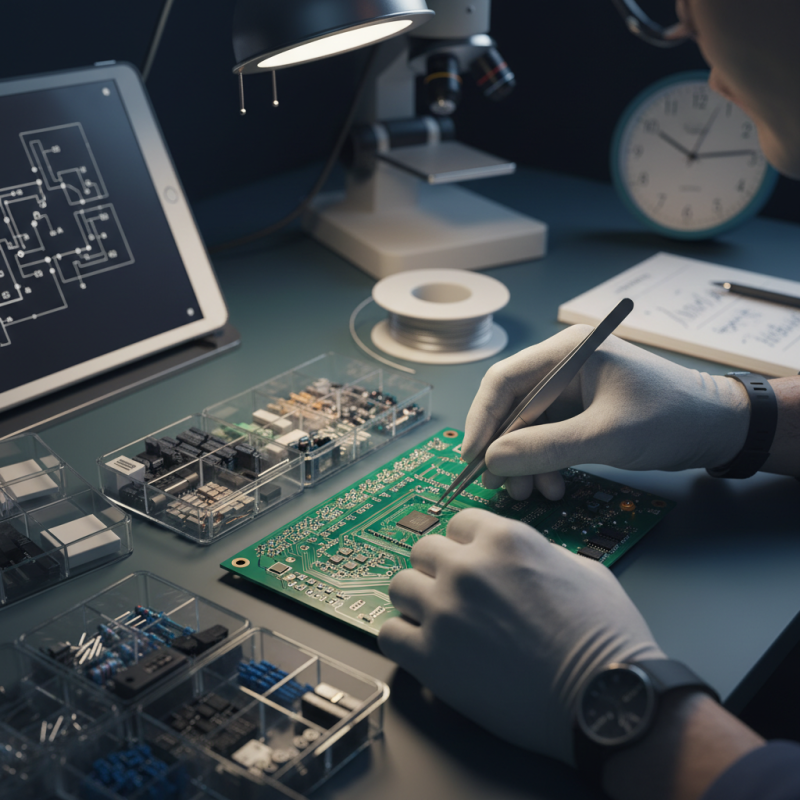
Electronic board assembly is a critical process in the electronics industry. It involves various tasks that require precision and skill. The success of this process significantly impacts the overall product quality. Attention to detail is essential.
Many factors can affect the outcome of electronic board assembly. Poor soldering techniques can lead to faulty connections. Inadequate component placement may cause device failures. Every mistake has consequences. Therefore, professionals must remain vigilant throughout the assembly process.
Common challenges include managing time and resources effectively. It’s important to balance speed and quality. However, rushing can lead to overlooked errors. Each step should be carefully monitored. Continuous improvement is necessary to enhance skills and techniques in electronic board assembly. Reflecting on past mistakes can provide valuable insights for future projects.
Understanding the Basics of Electronic Board Assembly
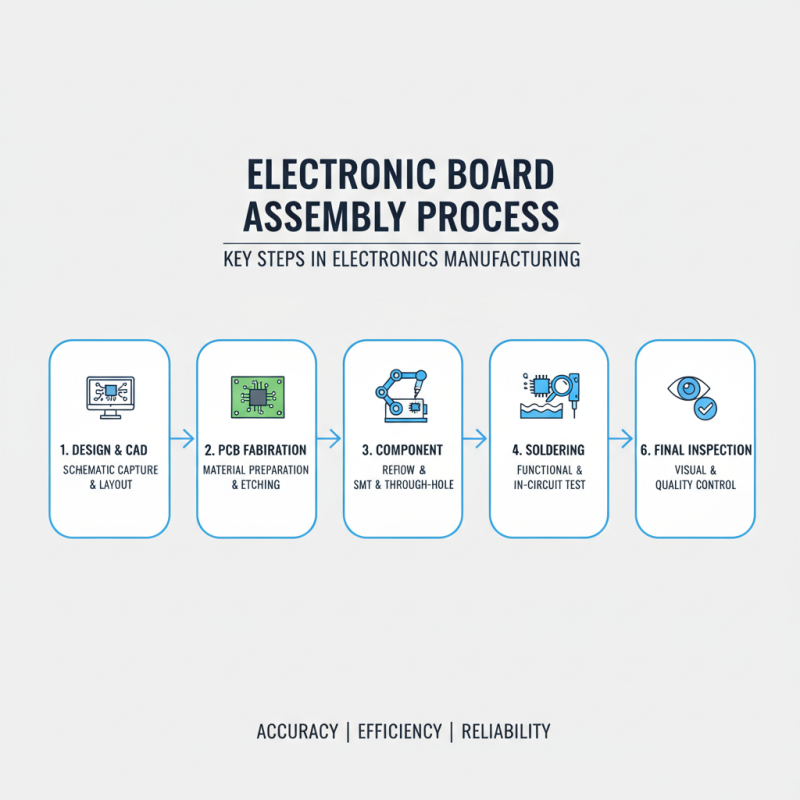
Electronic board assembly is a crucial process in manufacturing electronics. Understanding this process is essential for those new to the field. It involves several key steps, from design to final inspection. Each step requires careful attention to detail. Mistakes can be costly.
One common tip is to use high-quality components. Poor quality can lead to failures down the line. Another important aspect is to maintain a clean workspace. Dust and debris can affect soldering and connections. Regular cleaning is vital. Additionally, following guidelines for soldering can prevent issues like cold joints.
It's also important to review the assembly instructions thoroughly. Skipping this can lead to misunderstandings. Each component has a specific place and function. If you're not careful, you may find yourself redoing work. Test circuits frequently during assembly. Early detection of issues saves time and resources later on. Pay attention to tolerances and specifications. Even small errors can affect performance.
Key Materials and Components in Electronic Board Assembly
When it comes to electronic board assembly, the choice of materials and components is crucial. Circuit boards are often made from materials like FR-4 or polyimide. FR-4 is popular due to its good thermal stability and electrical insulation. Polyimide offers flexibility and is useful in high-temperature environments. These choices can affect the performance and lifespan of the final product.
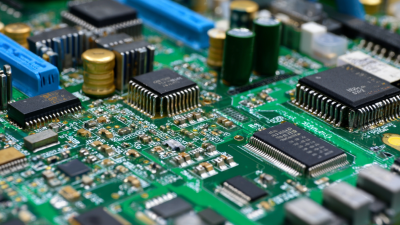
Components like resistors, capacitors, and integrated circuits play pivotal roles. Resistors control the flow of electricity. Capacitors store and release energy as needed. The quality of these components impacts overall functionality. However, sourcing components can be tricky. Not all suppliers provide consistent quality. It’s essential to verify component specifications and reliability.
Soldering technologies also matter. Wave soldering, reflow soldering, and hand soldering have unique advantages and drawbacks. Each method requires specific considerations for efficiency and reliability. Sometimes, mistakes during assembly occur, leading to defects. These issues need careful evaluation to improve processes. Taking time to analyze these factors can enhance the assembly's success and durability.
The Importance of PCB Design in Successful Assembly
PCB design plays a crucial role in the success of electronic board assembly. A well-thought-out layout can streamline the assembly process. It minimizes errors and reduces the likelihood of defects. Components must fit correctly, and traces should be appropriately routed. If there is insufficient space, troubleshooting becomes labor-intensive.
Furthermore, considering design for manufacturability is essential. Complex geometries might look appealing but can complicate the assembly. Design flaws can lead to increased costs and delays. For instance, a simple misalignment of a component can cause operational failures. Designers need to test their layouts thoroughly before proceeding.
Mistakes often arise from overlooking these details. Designers might rush through phases, assuming everything is fine. A meticulous review process helps catch potential issues early. It's vital to create test points and keep accessibility in mind. Overall, thoughtful PCB design not only aids in assembly but also enhances product reliability.
Best Practices for Soldering Techniques in Assembly
Soldering is a crucial step in electronic board assembly. Effective techniques can greatly impact the performance and reliability of the final product. According to a report from IPC, an industry association, about 30% of electronic assembly defects stem from poor soldering practices. This highlights the importance of mastering the art of soldering.
Proper temperature control is vital. The soldering iron should be pre-heated and maintained at an optimal temperature, generally between 350°C to 400°C. Too high a temperature can damage components, while too low can lead to cold joints. A recent study indicated that 25% of soldering issues arise from inadequate heat application.
Moreover, selecting the correct solder type is essential. Lead-free solder is increasingly used, yet it can be more challenging to work with. Many assemblers face issues like insufficient wetting or excessive oxidation. Regular training on these methods can mitigate these errors. Improving skills here may reduce defect rates by over 15%, showcasing just how significant proper techniques can be in achieving successful electronic board assembly.
Quality Control Measures for Reliable Electronic Boards
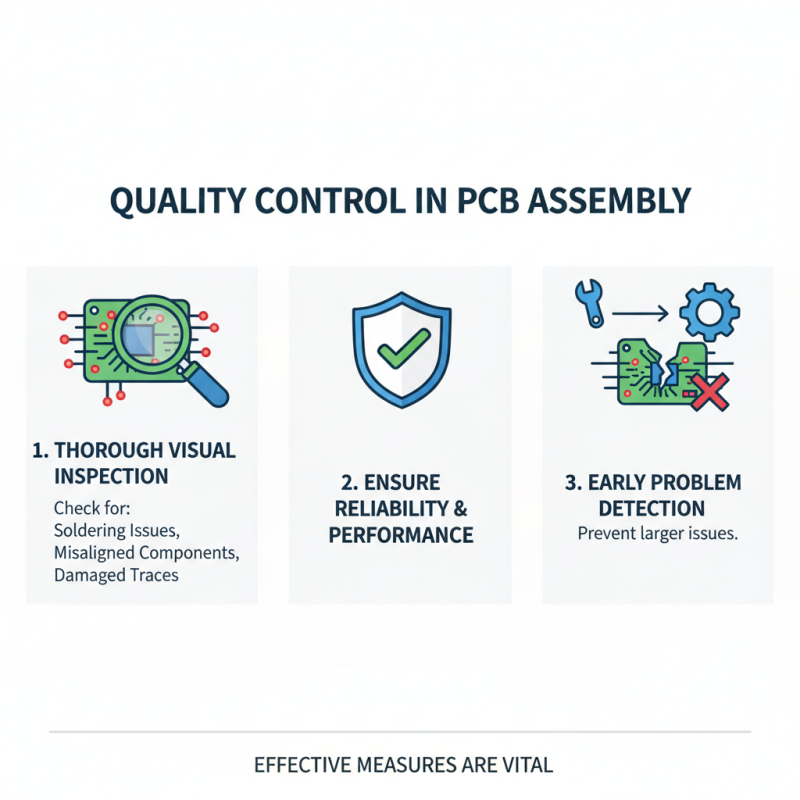
Quality control is vital in electronic board assembly. Effective measures ensure reliability and performance. One common approach is thorough inspection. Check each board for visible defects. Look for soldering issues, misaligned components, or damaged traces. Regular visual inspections can catch problems early, preventing larger issues later.
Testing is another critical component of quality control. Functional testing verifies if the board operates as intended. This includes checking connections and measuring voltage levels. Automated tests are efficient but shouldn’t replace manual checks. Sometimes, human oversight catches what machines miss. It’s essential to strike a balance between automation and manual inspection.
Documentation is equally important. Keeping detailed records aids in tracking quality trends. It helps identify recurring issues that may need addressing. However, excessive paperwork can slow down the process. Find a way to streamline documentation without losing valuable information. With diligent quality control efforts, manufacturers can deliver reliable and high-performing electronic boards.