What is PCB and Assembly Process for Global Buyers?
The PCB and assembly industry is a critical sector in the global electronics market. According to a report by Research and Markets, the global PCB market is expected to reach USD 76.79 billion by 2026, highlighting robust growth. As industries innovate, efficient circuit board design becomes essential. "The art of PCB and assembly is not just technology; it’s about understanding market needs," says Dr. Emily Chen, a renowned expert in the field.
PCB and assembly refer to the processes involved in creating printed circuit boards and integrating them into electronic devices. This complex process involves precision manufacturing and careful materials selection. Over 50% of electronic device failures can be traced back to PCB issues, emphasizing reliability in production. Many firms struggle with these challenges, often leading to cost overruns and delays.
To remain competitive, companies must adapt to changing technologies. Flexibility in production and responsiveness to market trends is vital. However, the fast-paced nature of this industry often results in rushed processes. This can hinder quality and ultimately affect product lifecycle. The focus must shift towards sustainable practices in PCB and assembly, ensuring growth without compromising reliability.
Understanding PCB: Definition and Importance in Electronics
Printed Circuit Boards (PCBs) are essential in modern electronics, acting as the backbone of electronic devices. A PCB mechanically supports and electrically connects various components. According to industry reports, the global PCB market was valued at approximately $63 billion in 2022 and is expected to grow at a CAGR of 4.6% from 2023 to 2030. This growth highlights the importance of PCBs in various sectors, including consumer electronics, automotive, and telecommunications.
Understanding the significance of different PCB types is crucial. There are single-side, double-side, and multi-layer PCBs, each serving unique applications. Multi-layer PCBs provide advanced electrical performance. However, the complexity of multi-layer PCBs can lead to longer manufacturing times and higher costs. Key considerations should include design precision and component density.
Tips: Always prioritize quality assurance in every stage of PCB production. Use a reliable manufacturer and conduct rigorous testing. Be open to feedback, as issues in the design may surface later. This approach can help ensure superior functionality and longevity. Investing time in the design phase is essential to avoid costly errors later.
PCB Production Process Overview
This chart represents the estimated time taken at each stage of the PCB assembly process, reflecting the importance of efficiency in electronics manufacturing.
Overview of PCB Manufacturing Process Steps
The printed circuit board (PCB) manufacturing process consists of several critical steps that ensure quality and functionality. Initially, designers create a schematic diagram, defining the circuit’s layout. Following this, the creation of the PCB design uses specialized software, translating the schematic into a physical prototype. A 2022 report from IPC, an electronics industry association, noted that improper design can increase production costs by up to 20%. Attention to detail at this stage is essential.
After the design phase, raw materials, such as copper-clad laminates, are procured. The PCB is then fabricated through processes like etching, drilling, and plating. Each step requires precision; even minor errors can result in faulty circuits. Interestingly, studies reveal that 50% of PCB failures stem from manufacturing defects. This highlights the importance of maintaining strict quality assurance protocols through each manufacturing stage.
When assembling the PCB, components are soldered onto the board using techniques like reflow and wave soldering. Each method presents its own challenges. Inadequate soldering can lead to weak joints. It’s crucial to employ skilled technicians to prevent such issues. Tips on minimizing errors include regular equipment maintenance and rigorous training for assembly workers. These practices can greatly enhance product reliability.
Key Materials Used in PCB Production
When discussing the key materials used in PCB production, understanding their significance is crucial. PCBs, or printed circuit boards, form the backbone of electronic devices. The primary material for the substrate is often FR-4, a glass-reinforced epoxy laminate. Its durability and insulating properties make it a go-to option for many manufacturers.
Copper is another vital component. It forms the conductive pathways on the board. The thickness of the copper layer can significantly impact performance. Thin layers offer more compact designs, while thicker layers can enhance current capacity. Additionally, surface finishes are essential. They provide protection against oxidation and improve solderability. Materials like ENIG (Electroless Nickel Immersion Gold) are popular for their reliability.
However, it’s worth noting that not all materials are created equal. Variations in quality can lead to inconsistent production results. Issues such as delamination and poor adhesion can arise from subpar materials. Manufacturers must evaluate their material suppliers thoroughly. Reliable sourcing can mitigate potential risks in the manufacturing process.
The Assembly Process: Techniques and Methods Explained
The assembly process of printed circuit boards (PCBs) is a critical aspect of modern electronics manufacturing. Techniques and methods vary widely depending on product specifications and production volume. For instance, surface mount technology (SMT) is often preferred for its efficiency in high-volume manufacture. Reports indicate that SMT can increase production speed by up to 70% compared to traditional through-hole methods.
The choice of soldering techniques also plays a vital role. Reflow soldering is widely used in conjunction with SMT, providing a reliable bond that withstands thermal and mechanical stress. However, this method can lead to defects if not properly controlled. According to industry data, about 20% of assembly errors stem from improper soldering techniques. This emphasizes the need for robust quality control measures in every production run.
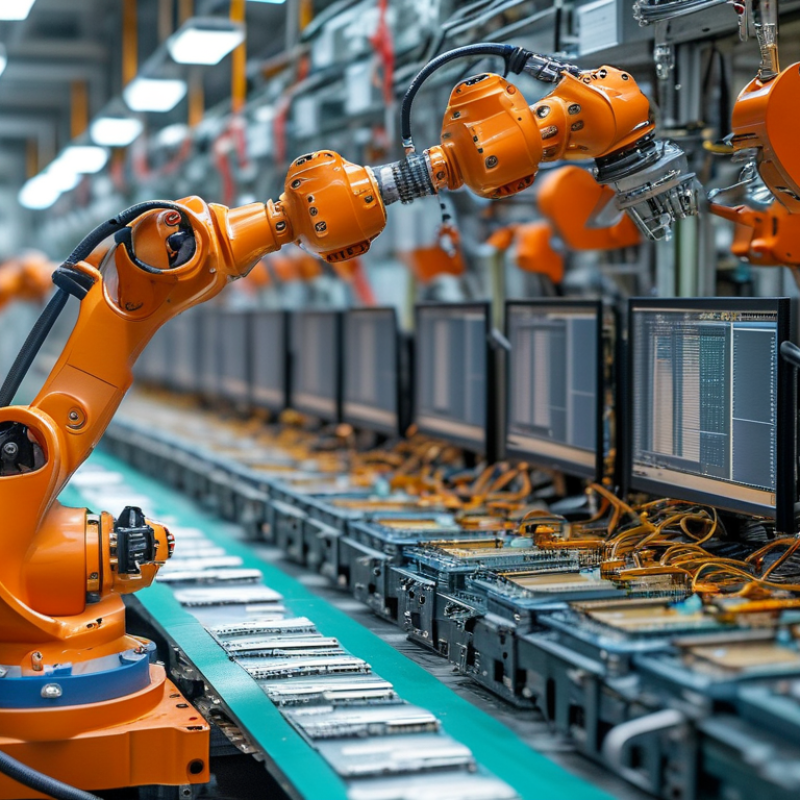
Assembly automation is a growing trend. Studies show that automated assembly can reduce labor costs by nearly 30%, boosting output significantly. Yet, reliance on machines raises concerns about flexibility. Customization becomes challenging. Manufacturers face a dilemma: balance automation with the need for adaptability in design changes. The assembly landscape is evolving, and understanding these complexities is crucial for global buyers aiming for efficient production.
What is PCB and Assembly Process for Global Buyers? - The Assembly Process: Techniques and Methods Explained
| Process Step |
Description |
Techniques Used |
Common Materials |
| Design |
Creating a schematic and layout for the circuit. |
CAD Tools, Simulation Software |
Copper, FR-4, Silkscreen Ink |
| Fabrication |
Producing the actual PCB boards based on the layout. |
Etching, Drilling, Laminating |
Copper Laminate, Solder Mask |
| Component Placement |
Arranging components on the PCB. |
Pick and Place Machines, Manual Placement |
Resistors, Capacitors, Chips |
| Soldering |
Securing components to PCB using solder. |
Reflow Soldering, Wave Soldering |
Lead-Free Solder, Solder Paste |
| Testing |
Verifying functionality and performance of the PCB. |
Functional Testing, In-Circuit Testing |
Test Probes, Diagnostic Software |
| Assembly |
Final assembly of the PCB into the product housing. |
Automation, Manual Assembly |
Enclosures, Connectors |
Quality Control Measures in PCB and Assembly Process
In the PCB and assembly process, quality control (QC) is essential. Reports indicate that up to 70% of manufacturing defects stem from inadequate QC. This shows the importance of establishing a robust quality management system. Implementing testing measures, such as Automated Optical Inspection (AOI), ensures components are properly placed. Companies using AOI detect over 90% of placement errors.
Another critical aspect involves the reliability of materials. Industry guidelines recommend using certified materials to prevent failures. For example, Printed Circuit Board Association (PCBA) claims that using high-standard materials reduces defect rates by 30%. However, many manufacturers still overlook this step, risking product performance.
Conducting regular audits is vital. They help locate inconsistencies in manufacturing processes. A recent study revealed that nearly 60% of assembly plants did not perform adequate internal audits. This gap can lead to costly reworks. Emphasizing a culture of quality within teams can enhance outcomes. Stronger communication channels can also bridge quality gaps. Addressing these challenges can significantly improve both efficiency and product reliability.