Electronic Contract Manufacturing Service Provider in California

How to Choose a China Top Cartridge Filter Housing?

Choosing a China Top Cartridge Filter Housing requires more than comparing polished photos or the lowest quotation. A reliable selection begins with the fluid, flow rate, operating pressure, temperature, and filtration goal. Stainless steel 304 may suit many water systems, while 316L often offers stronger resistance in demanding environments. Plastic housings can be practical, but chemical compatibility must be verified. Small details matter. Port size, seal material, cartridge length, and drain design can affect maintenance and leakage risk.

Experienced buyers usually request drawings, material certificates, pressure-test records, and clear production specifications. They also check whether the supplier understands local installation conditions, replacement cartridge availability, and applicable safety requirements. A trustworthy manufacturer should explain how its Cartridge Filter Housing performs under actual working conditions, not only quote a maximum pressure value. Factory audits, sample inspections, and documented quality controls add confidence. Still, paperwork alone is not proof. A housing can meet a stated specification yet perform poorly when assembly is rushed or seals are mismatched.

This guide examines practical ways to evaluate Chinese manufacturers, compare technical options, and reduce avoidable purchasing risks. It considers design, fabrication quality, testing, customization, delivery support, and long-term service. No single housing fits every line. That is the difficult part. A careful decision may require revisiting an earlier assumption, especially when price, cleanliness, corrosion resistance, and downtime compete. By asking precise questions and checking evidence, buyers can choose a Cartridge Filter Housing that is safer, more consistent, and better suited to real operating demands.

How to Choose a China Top Cartridge Filter Housing?

Understanding Cartridge Filter Housing Types and Applications

How to Choose a China Top Cartridge Filter Housing?

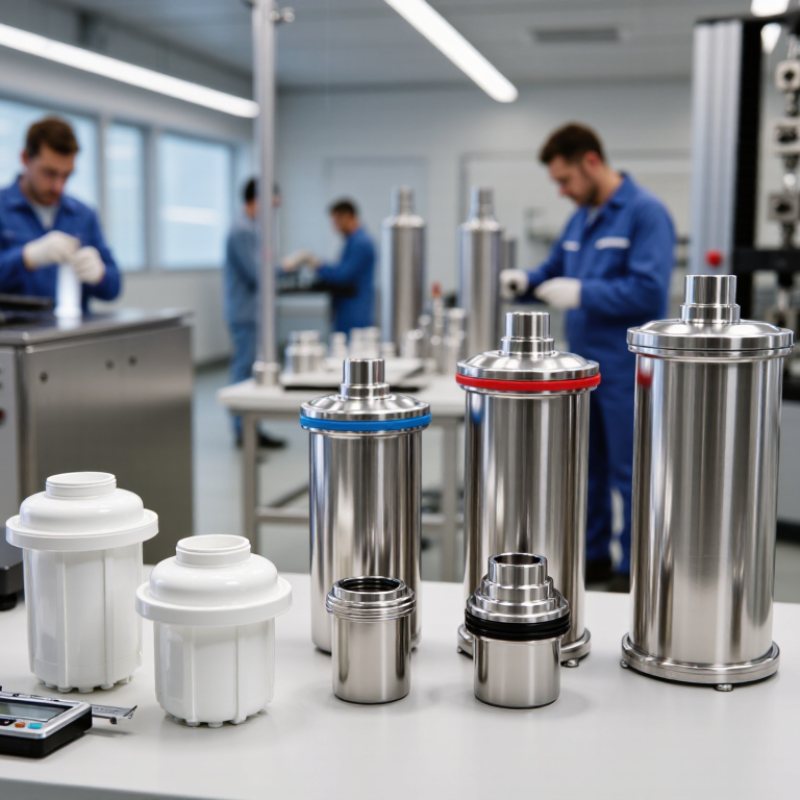
Choosing a top China-made cartridge filter housing starts with the process, not the catalogue. Single-cartridge housings suit laboratory lines and modest flow. Multi-cartridge units reduce parallel piping for municipal, food, and industrial water systems. High-flow designs handle larger volumes, but they demand careful differential-pressure control. Sanitary stainless steel housings support hygienic processing. Reinforced polymer housings can reduce weight and cost. Neither option is automatically better.

The WHO/UNICEF Joint Monitoring Programme’s 2023 report estimated that 2.2 billion people lacked safely managed drinking water in 2022. This pressure makes reliable pretreatment essential for municipal and commercial systems. UNESCO’s United Nations World Water Development Report 2024 states that agriculture accounts for roughly 70% of global freshwater withdrawals. Irrigation lines therefore need housings that tolerate frequent sediment loading and simple cartridge replacement.

Match the housing to flow rate, operating pressure, temperature, and chemical exposure. Confirm the actual micron rating, seal material, connection standard, and cleaning method. A 10-micron cartridge is not always a 10-micron solution. Particle shape and viscosity can change performance. I would also request pressure-test records, material certificates, and traceable inspection reports. Cost matters, but an undersized vessel creates frequent shutdowns. That lesson is easy to miss. Recheck the peak flow, not only the average flow.

How to Choose a China Top Cartridge Filter Housing?

Understanding cartridge filter housing types and applications

The chart shows representative design-flow points for common cartridge filter housing configurations. Actual capacity depends on cartridge media, micron rating, fluid viscosity, pressure drop, temperature, and the required filtration efficiency. Select a housing with sufficient cartridge area and confirm the manufacturer's flow and pressure specifications before installation.

Defining Filtration Requirements and Operating Conditions

How to Choose a China Top Cartridge Filter Housing?

Defining filtration requirements and operating conditions should guide every housing decision. Start with the liquid, not the catalog photograph. Record the required flow rate, viscosity, temperature, pressure, and expected dirt load. A clear water stream and a thick chemical solution need different internal designs. Micron rating also matters, but it should match the actual contaminant size and process goal. Choosing an unnecessarily fine filter may increase pressure loss and replacement costs.

Check whether the housing material tolerates the process liquid and cleaning method. Stainless steel may suit demanding industrial service, while reinforced plastic can fit less aggressive applications. Confirm cartridge length, sealing method, inlet and outlet size, and available installation space. Leave room beneath the housing for cartridge replacement. In practice, this detail is often forgotten. It creates awkward maintenance later. The maximum operating pressure must exceed normal pressure, including possible surges. A pressure gauge or differential-pressure indicator can help operators identify loading before flow drops sharply.

Tips: Ask for test data, material certificates, and pressure ratings before purchase. Compare the housing’s rated flow with your real operating flow, not an ideal laboratory figure. Inspect gasket compatibility carefully. A small seal problem can contaminate a clean process. It is also wise to discuss abnormal conditions, such as cold starts or sudden flow changes. No selection is perfect. Recheck the assumptions after several replacement cycles.

Comparing Housing Materials, Designs, and Port Configurations

How to Choose a China Top Cartridge Filter Housing?

Choosing a cartridge filter housing starts with the process, not the catalogue image. Stainless steel suits high temperatures, repeated cleaning, and demanding industrial water systems. Polypropylene offers lower weight and strong chemical resistance for many ambient applications. However, material compatibility must be checked against the actual fluid, temperature, and pressure. A seal may fail before the housing does. That detail is easy to miss.

Design also affects maintenance. A single-round housing fits smaller flow rates and limited installation spaces. Multi-round designs reduce pressure loss when larger volumes require continuous filtration. A quick-opening clamp saves service time, while a bolted cover may provide stronger control under higher pressure. In field inspections, I check the internal cartridge support carefully. Poor alignment can create bypass flow, even when the housing looks well made. I once underestimated clearance around a cover. Maintenance became awkward.

Tips: Match the port size with the pipeline, not only the filter capacity. Threaded ports work well for compact systems and frequent changes. Flanged ports suit larger pipes, vibration control, and stable industrial layouts. Side-entry ports can simplify access, while bottom outlets help drain residual liquid. Confirm inlet and outlet direction before ordering. It sounds basic. Still, mistakes happen. Request pressure ratings, dimensional drawings, seal options, and connection standards in writing. A supplier’s technical response should be specific, measurable, and easy to verify.

Checking Capacity, Pressure Ratings, and Compatibility

How to Choose a China Top Cartridge Filter Housing?

Capacity should match the real process flow, not an attractive number on a product sheet. Check the required flow rate, cartridge length, and the number of cartridges. A housing rated for 20 cartridges may perform poorly with only two installed. I once reviewed a system where the pump flow looked acceptable, but the small filter area caused rapid pressure rise. That mistake increased maintenance work.

Pressure ratings need careful attention. Compare the housing’s maximum working pressure with startup surges, temperature, and cleaning conditions. A pressure gauge on the inlet and outlet helps operators monitor differential pressure. Replace or clean cartridges before this difference becomes excessive. The exact limit should come from tested documentation, not verbal assurance. Request pressure-test records, material details, and traceable inspection data. Small omissions matter.

Compatibility includes more than pipe size. Confirm the filter media, seal material, housing metal, fluid temperature, and chemical exposure. Stainless steel can suit many water applications, but aggressive fluids may require a different alloy or seal. Check connection standards before installation. A mismatch may need expensive adapters. I also recommend checking internal surface quality and drainage design, because trapped liquid complicates servicing. Some specifications remain unclear until the housing is opened, so ask for drawings, samples, and independent verification when the application is critical.

Evaluating Chinese Manufacturers, Quality, and After-Sales Support

How to Choose a China Top Cartridge Filter Housing?

Choosing a Chinese cartridge filter housing manufacturer requires more than comparing prices. Review the factory’s engineering experience, production records, and material controls. Ask whether stainless steel grades are verified by test reports, not only listed on a product sheet. Check weld quality, surface finish, pressure ratings, and gasket compatibility. Small details matter. A rough weld can create cleaning problems later.

Request samples from the same production line used for regular orders. Inspect flange alignment, cartridge fit, drain design, and internal polishing. Reliable manufacturers should provide drawings, inspection records, and batch traceability. Independent testing can confirm pressure performance when the application is demanding. A factory tour is useful, but it is not complete proof. A polished showroom may hide weak inspection procedures.

After-sales support deserves equal attention. Confirm response times, spare-part availability, installation guidance, and warranty conditions in writing. Ask who handles technical questions after delivery. Good suppliers can explain troubleshooting steps with photos or clear diagrams. They should also identify likely maintenance risks before shipment. Still, no supplier is perfect. Delayed replies, unclear documents, or changing specifications should make buyers pause. A careful evaluation combines verified evidence, direct communication, and practical testing before a large order.

How to Choose a China Top Cartridge Filter Housing? - Evaluating Chinese Manufacturers, Quality, and After-Sales Support
Evaluation Dimension Recommended Target or Data Point Evidence to Request from the Manufacturer Weight Acceptance Guidance Priority
Application and Flow Capacity Housing size, cartridge length, connection size, flow rate, operating temperature, and fluid viscosity must match the process design. Approved datasheet, dimensional drawing, process questionnaire, pressure-drop curve, and written confirmation of design conditions. 15% Pass only when all process parameters are documented and compatible. Critical
Pressure and Temperature Design Rated pressure and temperature should exceed the maximum operating conditions with an engineering safety margin defined by the project. Design calculations, hydrostatic or pneumatic test procedure, material specifications, and applicable pressure-vessel compliance documents. 15% Do not approve from nominal pressure alone; verify rating at the actual temperature and fluid conditions. Critical
Materials of Construction Wetted materials should be selected according to chemical compatibility, corrosion risk, temperature, and hygiene requirements. Common options include stainless steel grades and engineered polymers. Material certificates, grade identification, corrosion-compatibility statement, gasket material data, and surface-finish report where applicable. 12% Material grade and gasket compound must be traceable to the purchase specification. Critical
Manufacturing Quality System A documented quality-management system with controlled purchasing, welding, machining, inspection, nonconformance handling, and final release. Current ISO 9001 certificate, scope of certification, quality manual summary, inspection plan, and sample final-inspection report. 10% Confirm that the certificate scope covers the relevant manufacturing activity. High
Welding and Fabrication Control For welded stainless-steel housings, procedures and personnel should be controlled; weld quality should be verified according to the project specification. Welding procedure specifications, welder qualification records, weld maps, visual inspection records, and NDT reports when required. 10% Require additional inspection for pressure-retaining welds or safety-critical applications. High
Testing and Inspection Every supplied housing should receive documented dimensional, leak, pressure, and functional checks appropriate to its design. Factory acceptance test report, pressure-test record, leak-test result, dimensional checklist, calibration certificates, and serial-number traceability. 12% A test report should identify the unit, test method, test pressure, duration, result, and inspector. Critical
Cartridge Compatibility and Sealing Confirm cartridge length, end configuration, seal type, housing basket or support arrangement, and allowable differential pressure. Cartridge compatibility chart, cross-sectional drawing, seal specifications, replacement instructions, and differential-pressure limits. 8% The housing should prevent bypass and allow safe cartridge installation and removal. High
Surface Finish and Cleanability Finish requirements should be defined by service. Hygienic or high-purity applications require controlled internal surfaces and cleaning procedures. Surface-roughness report where specified, polishing record, passivation or pickling record, cleaning procedure, and visual inspection photos. 6% Use application-specific limits rather than accepting an unspecified “polished” claim. Medium
Regulatory and End-Use Compliance Compliance must match the application, such as pressure equipment, potable water, food contact, pharmaceutical processing, or hazardous-area requirements. Declaration of conformity, applicable test reports, material declarations, regulatory certificates, and product labeling information. 6% Certificates must apply to the supplied configuration and intended service. High
Customization and Engineering Support Capability to provide drawings, connection changes, drain and vent arrangements, mounting options, sight glasses, heating jackets, or special materials when required. Approved general arrangement drawing, design-change process, engineering response procedure, and examples of non-standard configurations. 3% Require written approval for all deviations from the original specification. Medium
Lead Time and Supply Reliability Lead time should include engineering approval, manufacturing, inspection, packing, shipping, and customs clearance where applicable. Production schedule, capacity statement, promised delivery date, packaging specification, and shipment-document checklist. 3% Use milestone dates and contractual remedies for project-critical deliveries. Medium
After-Sales Support and Warranty Defined warranty period, spare-seal availability, replacement-part identification, troubleshooting procedure, and technical response channel. Warranty terms, service-level commitment, spare-parts list, installation manual, maintenance schedule, and claims procedure. 10% Prefer support terms with named response times and clear responsibility for defective components. Critical
Supplier Verification and Auditability Supplier records, product traceability, inspection history, and corrective-action process should be available for review. Factory-audit checklist, corrective-action reports, serial-number system, batch records, customer-reference process, and remote or on-site audit access. 3% Use an independent inspection agency for higher-risk or high-value orders when appropriate. Medium
Recommended Evaluation Scorecard Total 100% Approve only after critical safety, material, testing, and compliance requirements have passed.
Note: Pressure ratings, temperature limits, flow capacity, material grades, certificates, and warranty terms must be verified against the specific housing configuration and purchase specification. Generic catalog values should not replace application-specific engineering review.