What is the Future of PCB Board Manufacturing in China?
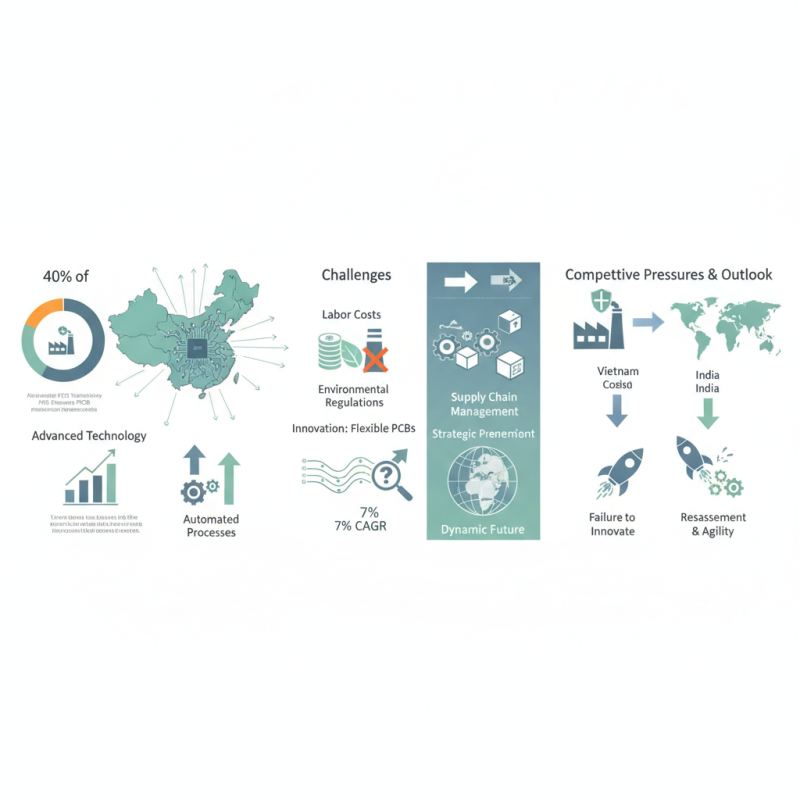
The future of PCB board manufacturing in China is poised for significant transformation. According to a 2022 report from IPC, China accounts for over 40% of the world’s total PCB production. This dominance reflects not only the vast market but also advanced technology and investment in automated processes. However, challenges persist. Labor costs are rising, and environmental regulations are tightening. These factors may hinder the growth of PCB board manufacturing.
Innovation remains crucial. Companies are increasingly adopting flexible PCBs to meet diverse consumer demands. Research from MarketsandMarkets predicts a 7% CAGR in the flexible PCB market from 2023 to 2028. This shift signals a growing market for PCB board manufacturing that focuses on quality and durability. Yet, there is a need for improvement in supply chain management.
Competitive pressures are mounting. As nations like Vietnam and India enhance their manufacturing capabilities, China must adapt. Failure to innovate and streamline operations may result in losing market share. The outlook for PCB board manufacturing in China is undoubtedly dynamic, but it requires strategic reassessment and agility to maintain its leading role in the global market.
Current State of PCB Board Manufacturing in China
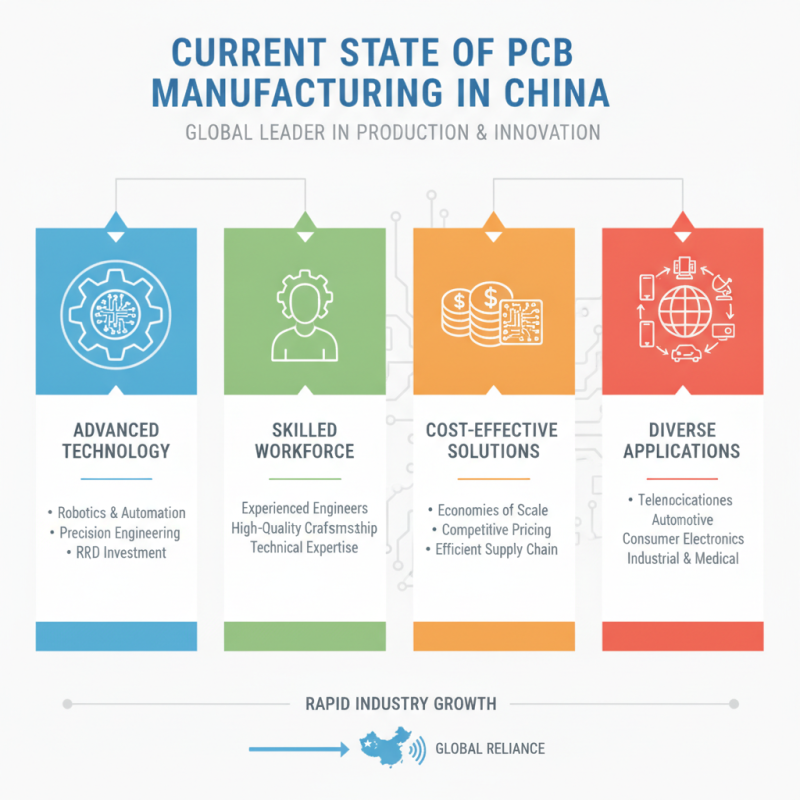
China currently stands as a global leader in PCB (Printed Circuit Board) manufacturing. The country's advanced technology and skilled workforce drive its production capabilities. Many companies rely on China's manufacturers for high-quality and cost-effective PCB solutions. The industry has grown rapidly, catering to various sectors, including telecommunications, automotive, and consumer electronics.
However, the current state of PCB manufacturing in China faces challenges. Intense competition has pressure on profit margins. Environmental regulations are becoming stricter, demanding more sustainable production practices. Some manufacturers struggle to meet these standards. Additionally, the supply chain disruptions caused by geopolitical tensions and the pandemic have highlighted vulnerabilities. Companies are re-evaluating their dependencies on single-source suppliers.
Despite these hurdles, opportunities exist for growth. Emerging technologies like 5G and electric vehicles are increasing the demand for advanced PCBs. Industry insiders suggest that innovation in materials and processes will shape future development. However, this rapid evolution requires continuous adaptation. Manufacturers must invest in research and training to stay competitive. Balancing innovation with environmental responsibility is essential for long-term success in this dynamic market.
Technological Advancements Impacting PCB Production
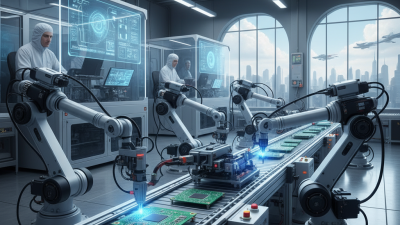
The future of PCB board manufacturing in China is influenced significantly by technological advancements. The introduction of automation and robotics improves efficiency. Reports indicate that automation can reduce production time by up to 30%. This shift not only speeds up processes but also minimizes errors. As the industry embraces smart technologies, the need for skilled workers shifts. Companies must adapt to this new workforce dynamic.
Another crucial advancement is the integration of advanced materials. High-frequency PCBs are gaining traction due to their effectiveness in telecommunications. In 2022, the market for advanced PCB materials reached approximately $8 billion, with a projected annual growth rate of 10% through 2025. These materials contribute to better performance and increased reliability, meeting the growing demands of 5G and IoT applications.
However, challenges persist. The transition to new technologies often encounters resistance from traditional manufacturers. Adapting to rapid changes requires investment in training and infrastructure. Environmental concerns also pose hurdles, as more efficient processes must still comply with stricter regulations. Balancing innovation with sustainable practices remains a critical area for reflection in China's PCB industry.
What is the Future of PCB Board Manufacturing in China? - Technological Advancements Impacting PCB Production
| Year |
Technology |
Impact on Production |
Market Growth (%) |
Challenges |
| 2023 |
Flex PCB Manufacturing |
Enhanced flexibility and reduced weight in electronic devices |
15% |
Material sourcing and production cost |
| 2024 |
High-Frequency PCB |
Improved signal performance for RF applications |
20% |
Technical expertise and production speed |
| 2025 |
Eco-Friendly PCB Manufacturing |
Sustainable production practices and materials |
30% |
Regulations and compliance |
| 2026 |
AI in PCB Design |
Automated design improvements and reduction in errors |
25% |
Integration with existing systems |
| 2027 |
3D Printed PCBs |
Rapid prototyping and reduced time to market |
35% |
Material limitations and durability |
Environmental Regulations and Sustainable Practices in PCB Manufacturing
The future of PCB manufacturing in China increasingly emphasizes environmental regulations and sustainable practices. Current trends show that the adoption of eco-friendly materials is rising. A report from the China Printed Circuit Association indicates that over 30% of manufacturers are now utilizing biodegradable substrates. This shift is crucial as traditional PCB materials often contribute to environmental degradation.
Moreover, stricter regulations are pushing companies to enhance their waste management processes. In 2022, around 40% of PCB manufacturers reported improvements in recycling efforts. These companies implemented advanced technologies to reduce waste during the production process. Enhanced inspection methods also play a role in ensuring compliance with environmental standards. These small changes suggest a movement towards a more responsible manufacturing sector.
Yet, there are challenges. Many small to mid-sized manufacturers struggle to meet new regulations. Compliance often requires significant investment in technology and training. Some companies are still hesitant due to the perceived high costs associated with sustainable practices. The progress is commendable, but the industry must address these gaps to achieve long-term sustainability in PCB manufacturing.
Future Trends in PCB Manufacturing in China: Environmental Regulations and Sustainable Practices
Market Trends and Challenges Facing the PCB Industry in China
The PCB industry in China is evolving, influenced by emerging technologies and shifting market demands. A recent report indicates that the global PCB market is projected to reach $80 billion by 2026, with China capturing a significant share. This growth brings challenges, particularly in areas like sustainability and supply chain pressures.
One pressing issue is the need for environmentally friendly manufacturing processes. As regulations tighten, companies must adapt to minimize waste and reduce toxic materials. Adopting green technologies could enhance competitiveness. However, many manufacturers may not be adequately prepared, leading to potential setbacks.
Innovation is also crucial for responding to the increasing complexity of designs. The demand for smaller, multifunctional PCBs is escalating, driven by advancements in sectors like automotive and consumer electronics. Yet, some manufacturers struggle to keep pace with technological advancements.
Tip: Invest in employee training to ensure your team is equipped with the latest skills. This can bridge knowledge gaps and improve production quality. Another area to consider is collaboration with local research institutions. It can provide insights into current trends and innovations that enhance your manufacturing processes.
Future Prospects: Innovations and Global Competitiveness in PCB Boards
The future of PCB board manufacturing in China is poised for significant change. Innovations in technology are reshaping the industry landscape. Advanced materials and smart manufacturing processes are emerging. These developments aim to enhance productivity and reduce costs.
A notable trend is the shift towards automation. Factories are increasingly adopting AI and robotics. This integration improves precision and efficiency. However, companies must navigate the challenges of implementation. Staff retraining is critical as job roles evolve.
Tips: Invest in employee training programs. This ensures a smooth transition to new technologies. Emphasizing both skill development and adaptability will be crucial. Additionally, collaborations with research institutions can drive innovation.
As competition heats up globally, staying ahead requires continuous improvement. Companies must keep an eye on international standards. Ensuring compliance with environmental regulations is also essential. Balancing innovation with sustainability poses a complex challenge. Careful planning and strategic investment will be necessary.