How to Choose the Right Isolation Switch for Your Needs?
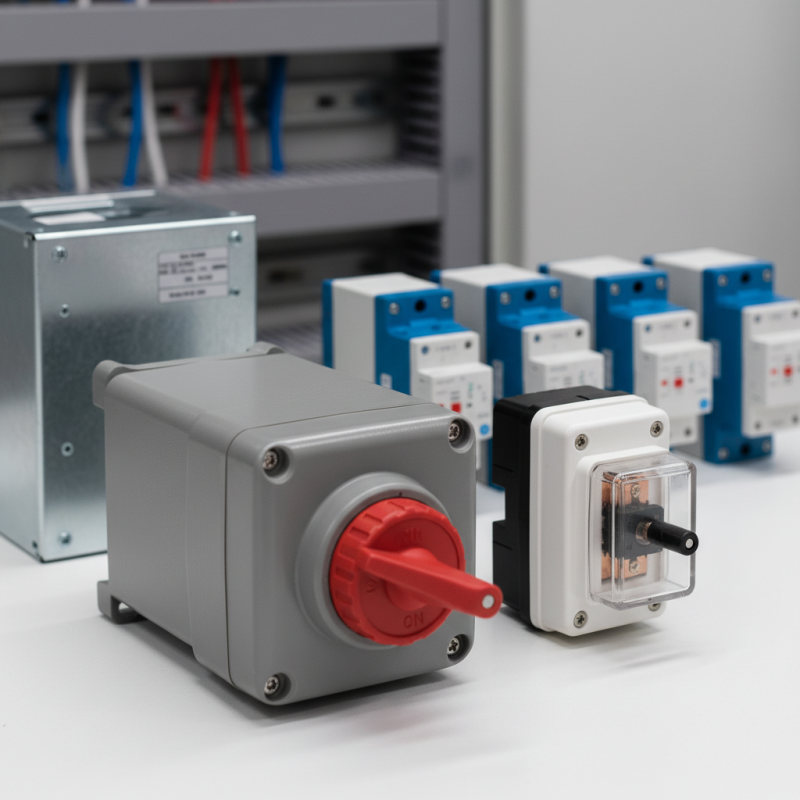
Choosing the right Isolation Switch is crucial for both safety and efficiency. An isolation switch serves a vital role in electrical systems. It disconnects power during maintenance or emergencies, ensuring a secure environment.
Many factors influence your selection. The voltage and current rating of the switch are essential. You also need to consider the installation environment. Will the switch be exposed to moisture or dust? These details matter. The right choice ensures reliable performance and safety for your electrical setup.
Mistakes in selection can lead to failures. An undersized switch might overheat, while an oversized one may not operate effectively. Reflecting on these issues helps in making a informed decision. A well-chosen isolation switch is an investment in safety and functionality for any electrical system.
Understanding the Purpose and Function of Isolation Switches
Isolation switches are crucial components in electrical systems. They serve the primary function of disconnecting circuits safely. This is often necessary during maintenance or emergencies. By isolating parts of a system, these switches protect both equipment and personnel from hazards.
When choosing an isolation switch, one must consider various factors. Voltage rating is essential. It determines how much electrical load the switch can handle. Additionally, the environment matters. Switches suitable for outdoor settings must resist moisture and temperature variations. While many options exist, not all will suit specific needs. Evaluating requirements can lead to better choices.
Safety features should never be overlooked. Some switches provide visual indicators, showing whether they are on or off. This can prevent inadvertent activation. Yet, some may lack this feature, posing a risk. Therefore, properly assessing safety needs is crucial. Even a small oversight can have significant consequences in an electrical system.
Types of Isolation Switches: A Comprehensive Overview
Isolation switches play a crucial role in electrical safety. These devices help isolate circuits during maintenance or emergencies. Understanding the types available is essential for making an informed choice. The primary types include rotary, handle-operated, and load break isolation switches. Each type serves a specific function and environment.
Rotary isolation switches are popular in industrial settings. They are designed for heavy-duty applications. Their robust design allows for a high current rating. Handle-operated isolation switches, on the other hand, are easier to use. They provide quick disconnection but may not be suitable for high voltage applications. Load break switches combine isolation and load carrying capacity. These are ideal for outdoor applications, according to data from the International Electrotechnical Commission.
When choosing an isolation switch, consider factors like voltage, current capacity, and installation environment. Reports indicate that improper selection can lead to failures and safety hazards. For example, a research study showed that 30% of electrical maintenance incidents result from inadequate isolation practices. Thus, it’s important to thoroughly assess your needs and ensure compliance with safety standards. Visual inspections and operational tests are crucial to verify the integrity of the selected switch. Ignoring these can lead to significant risks.
Key Factors to Consider When Selecting an Isolation Switch
When selecting an isolation switch, several key factors come into play. The power rating is crucial. It must match the system’s load. According to industry reports, overloading switches leads to failures in nearly 30% of cases. Another factor is the voltage rating. Choosing the correct voltage ensures safety and efficiency. A mismatch can cause dangerous situations, such as arcing or equipment damage.
The installation environment also matters. For instance, wet or humid conditions require switches with specific IP ratings. Nearly 20% of installation issues stem from environmental factors. Additionally, consider the frequency of operation. A switch used frequently may wear out faster. Regular maintenance checks can help identify potential issues early.
Finally, think about the switch type—manual or automatic. Manual switches offer simplicity but require user action. Automatic switches are efficient but can be more complex. Each type has its pros and cons. Assessing your specific needs and potential operational challenges is essential. This process can help avoid costly mistakes and enhance system reliability.
Isolation Switch Selection Factors
This chart illustrates the key factors to consider when selecting an isolation switch, along with their importance ratings on a scale of 1 to 5. The factors include Current Rating, Voltage Rating, Number of Poles, Material, and Mounting Type.
Safety Standards and Regulations for Isolation Switches
When selecting an isolation switch, understanding safety standards is crucial. These regulations ensure that electrical installations are safe and reliable. Different regions may have unique rules. Knowing these local regulations can prevent dangerous mistakes.
Isolation switches must comply with certain specifications. Look for standards like IEC 60947, which outlines performance requirements. This ensures the switch can handle electrical loads without risk. Additionally, pay attention to the IP rating, which indicates protection against dust and moisture. This is vital for switches used in harsh environments.
Installation and maintenance are areas often overlooked. Regular inspections are essential. They help identify wear and tear, preventing potential failures. Some may neglect this step, thinking it unnecessary. However, proactive measures can save lives and prevent costly damage. Always consider maintenance as part of your safety strategy.
Installation and Maintenance Tips for Isolation Switches
When it comes to isolation switches, installation is crucial. Proper placement can impact performance. Make sure to install in dry, accessible locations. Avoid areas exposed to moisture. This simple step can prevent future issues. Use correct mounting hardware. It ensures stability and reliability.
Maintenance of these switches is often overlooked. Regular checks can identify wear and tear. Inspect for signs of corrosion or damage. Clean connections can enhance efficiency. It’s wise to document your maintenance routine. This helps track potential problems. Ignoring maintenance can lead to unexpected failures.
Remember, isolation switches can wear out. They may not always show obvious signs of trouble. Set reminders for regular inspections. Staying proactive can save time and costs later. Effective maintenance extends the life of your equipment. It’s easy to neglect these tasks, but they are essential.
How to Choose the Right Isolation Switch for Your Needs? - Installation and Maintenance Tips for Isolation Switches
| Feature | Description | Considerations |
| Voltage Rating | The maximum voltage the switch can safely handle. | Ensure it matches or exceeds your system's voltage. |
| Current Rating | The maximum current the switch can carry. | Choose based on the load requirements of your application. |
| Form Factor | Physical size and shape of the switch. | Ensure it fits in your installation space. |
| Type of Isolation | Mechanically operated or electronically controlled. | Determine based on preferred control mechanism. |
| IP Rating | Ingress Protection rating against dust and water. | Choose higher ratings for outdoor or harsh environments. |
| Operating Temperature | The temperature range where the switch operates reliably. | Select based on your environment's temperature extremes. |
| Maintenance Requirements | Frequency and type of maintenance needed for the switch. | Consider ease of maintenance to ensure longevity. |