Why Choose the Right Air Conditioner Copper Pipe Fittings?
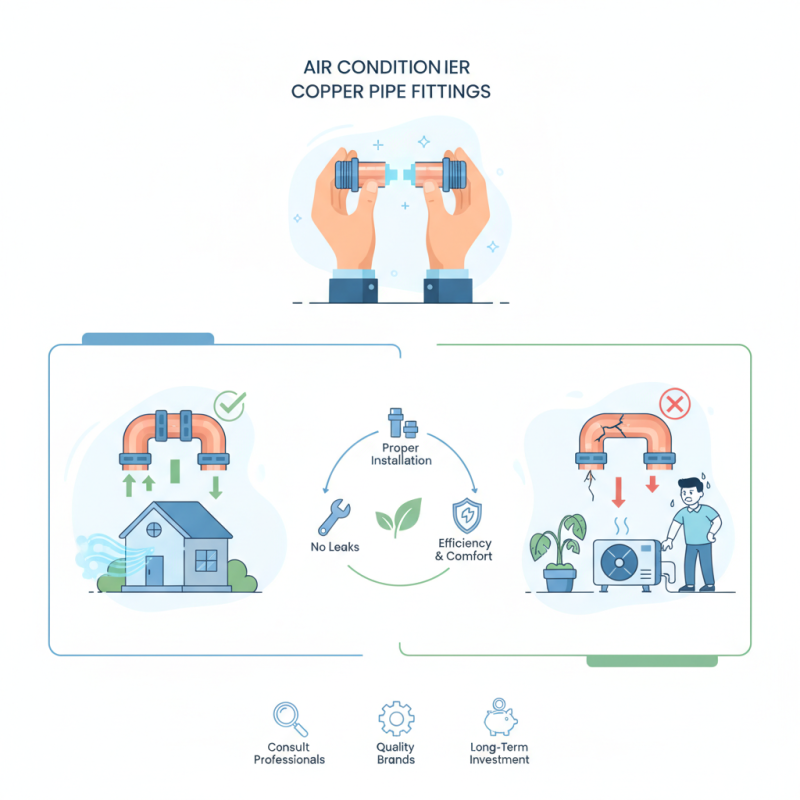
Choosing the right Air Conditioner Copper Pipe Fittings is essential for any cooling system. These fittings ensure that your air conditioner operates efficiently. Proper fittings can prevent leaks and enhance the overall performance of the unit.
Many homeowners overlook the importance of these components. They might choose cheaper alternatives, leading to future problems. A good fitting provides a secure connection. It reduces the risk of refrigerant loss, which can impact the cooling efficiency.
Inexperienced users may question their choices. It's vital to consult with professionals who have expertise in HVAC systems. Trustworthy brands often offer better durability and performance. Selecting the right Air Conditioner Copper Pipe Fittings is an investment. It promotes peace of mind and long-lasting comfort in your home.
Importance of Selecting High-Quality Copper Pipe Fittings in HVAC Systems
Choosing the right copper pipe fittings is essential in HVAC systems. High-quality fittings ensure proper functioning and longevity of air conditioning units. Research indicates that using lower-quality materials can lead to leaks. In fact, studies show that leaks from poor fittings can reduce system efficiency by up to 30%.
The material's conductivity is a crucial factor. Copper’s thermal conductivity allows for smooth refrigerant flow. When fittings are poorly made, they can create resistance, affecting the overall performance. Additionally, improper sealing in joints may cause refrigerant loss, leading to higher energy costs.
Tips: Always inspect the quality of copper pipe fittings before installation. Look for certifications that indicate industry standards. Regular maintenance can help identify worn-out fittings early, avoiding costly repairs. Quality over cost is always a wise choice in HVAC installations.
Why Choose the Right Air Conditioner Copper Pipe Fittings?
| Feature | Importance | Material Quality | Durability | Cost Efficiency |
| Thermal Conductivity | Ensures efficient heat transfer | High-grade copper for better performance | Higher longevity and resistance to corrosion | Lower energy bills due to efficiency |
| Pressure Resistance | Supports high-pressure HVAC systems | Testing for quality assurance | Reduces risk of leaks and failures | Reduced maintenance costs |
| Ease of Installation | Saves time and labor costs | Precision engineering for compatibility | Less likelihood of installation errors | Quick return on investment |
| Compatibility | Works seamlessly with various systems | Standardized sizing for ease | Fail-safe against mismatched components | Prevents costs from incompatible parts |
Industry Standards and Regulations for Air Conditioner Copper Fittings
When selecting air conditioner copper fittings, industry standards play a crucial role. These standards ensure the fittings can withstand high pressures and temperatures. Reliable fittings are not just about aesthetics; they must meet safety regulations. Quality materials help prevent leaks and maintain system efficiency.
Not all copper fittings are created equal. Some may not meet the required specifications, which can lead to system failures. It's essential to verify compliance with local and international standards. Seek fittings that have certification marks. Overlooking this can affect the longevity of your air conditioning system.
Installation practices also matter. Proper techniques ensure that the fittings adhere tightly. Mistakes in installation can cause air leaks, leading to inefficiencies. Sometimes, installers may skip steps or overlook details. This might seem minor, but it can have significant repercussions in the long run.
Prioritizing quality and safety fosters a reliable air conditioning system.
Impact of Copper Pipe Diameter on Refrigerant Flow Efficiency
Selecting the right diameter for your air conditioner copper pipe fittings is crucial. Refrigerant flow efficiency directly hinges on pipe size. If the diameter is too small, the refrigerant cannot move freely. This restriction leads to increased pressure and can cause system inefficiencies. Conversely, using a pipe that is too large can result in sluggish flow. The refrigerant may not absorb heat effectively, leading to suboptimal cooling.
Consider the overall design of your air conditioning system. A mismatch in pipe diameter can lead to performance issues over time. Technicians must analyze factors like length and layout. These elements influence refrigerant behavior within the system. Sometimes, installers overlook these details. This can result in installations that don't perform as expected.
Regular maintenance is vital. Blockages or kinks in copper pipes can worsen flow issues.
Insufficient flow may also lead to compressor damage. Evaluating copper pipe fittings with care ensures longevity and reliability. Investment in the right size yields better performance and energy efficiency in the long run.
Corrosion Resistance and Longevity of Copper vs. Other Materials
Copper pipe fittings are a popular choice for air conditioning systems. Their unique combination of properties makes them a standout option. Corrosion resistance is a key factor here. Unlike other materials, copper doesn’t rust. It withstands moisture and harsh conditions effectively. This means fewer repairs and replacements over time.
Longevity is another significant advantage of copper. These fittings can last decades without losing performance. In contrast, plastic and aluminum options often degrade faster. They may not hold up under extreme heat or cold. This inconsistency can lead to leaks and system failures, which can be costly.
Though copper is more expensive initially, its durability justifies the investment. Maintaining a reliable AC system is crucial for comfort. A few extra dollars spent on quality materials can save money long-term. Still, it’s essential to consider proper installation. Poor techniques can compromise even the best fittings. Choosing the right installer is as important as the material itself.
Cost-Benefit Analysis of Proper Fitting Selection in AC Installations
The selection of the right copper pipe fittings is crucial for air conditioning installations. Proper fittings ensure efficient refrigerant flow and help maintain optimal system performance. According to industry reports, using high-quality fittings can reduce system energy consumption by up to 20%. This reduction in energy use translates to lower utility bills over time, indicating a clear cost-benefit advantage for homeowners and businesses alike.
However, the upfront costs of premium fittings can be a concern. Many installers tend to opt for cheaper alternatives, leading to potential long-term issues. These lower-cost fittings may corrode or leak, resulting in decreased efficiency and premature system failure. Research shows that improper installation and cheap materials can increase maintenance costs by approximately 30% over a system's lifespan. This illustrates the importance of considering both immediate costs and long-term savings when selecting materials.
In conclusion, investing in the right air conditioner copper pipe fittings is not merely about the initial purchase price. It's about understanding the broader implications for energy efficiency and maintenance costs. Many fail to recognize that skimping on fittings can lead to greater expenses down the road. Thoughtful selection leads to reliable performance and long-term savings in installation projects.