Electronic Contract Manufacturing Service Provider in California

China Top 10 Transformer Oil Dielectric Strength Testers

A transformer can look sound outside while its insulating oil quietly loses strength. That is why the Transformer Oil Dielectric Strength Test remains a practical screening tool for utilities, service laboratories, and equipment owners. It measures the voltage at which an oil sample breaks down under specified test conditions. It does not, by itself, diagnose every cause of insulation failure.

The International Energy Agency’s Electricity Grids and Secure Energy Transitions report estimates that global grid investment must rise to more than USD 600 billion annually by 2030. It also projects that roughly 80 million kilometres of grids will need to be added or refurbished by 2040. These figures make dependable transformer maintenance increasingly important. IEC 60156:2018 defines a method for measuring the breakdown voltage of insulating liquids; ASTM D1816 offers another widely used test method. Results depend on the method, sample handling, electrode condition, and test procedure. Small details matter. A damp sampling bottle can undermine an otherwise careful test.

CIGRE transformer-diagnostics specialist Vladimir Sokolov’s published diagnostic work supports a key principle, paraphrased here: no single measurement should be interpreted in isolation. This is not a verbatim quotation. Buyers comparing China’s top 10 transformer oil dielectric strength testers should therefore look beyond voltage range and screen size. Check standards compatibility, repeatability, electrode design, safety interlocks, and service support. A polished display helps, but it cannot rescue poor sampling. Even a good instrument has limits. This guide compares practical features and highlights trade-offs that product brochures may leave out.
China Top 10 Transformer Oil Dielectric Strength Testers

What Is a Transformer Oil Dielectric Strength Tester?

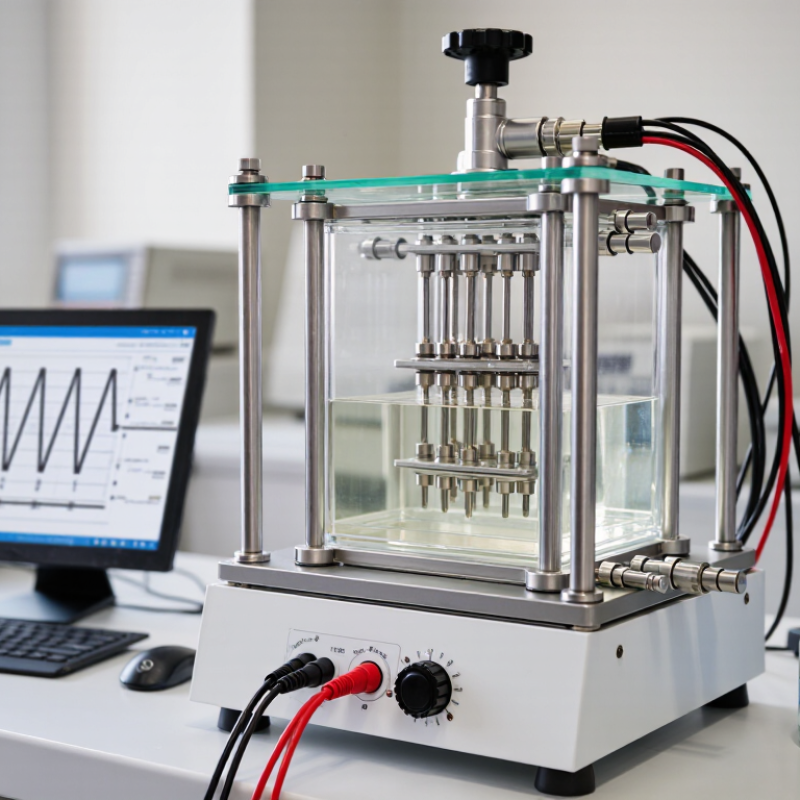
A transformer oil dielectric strength tester measures the voltage an oil sample can withstand before electrical breakdown occurs. The instrument places oil between two electrodes inside a test cup. It then raises the voltage at a controlled rate until a discharge crosses the gap. The recorded breakdown voltage helps assess the oil’s insulating performance.

A useful warning. Moisture, particles, bubbles, and poor sample handling can all affect the result. Even a small water droplet may lower the measured strength. Operators therefore clean and dry the cup, collect oil carefully, and avoid trapping air while filling it. They also follow the instrument’s procedure for electrode spacing and test repetitions. Details matter.

The reading is one part of an oil-condition assessment, not a complete diagnosis of a transformer. A low value may point to contamination or deterioration, but it does not identify the cause by itself. Compare repeat measurements and consider other oil tests and operating records. A clear sample can still produce a misleading result if it was collected carelessly. That is easy to overlook, and worth questioning before making maintenance decisions.

How Does the Transformer Oil Breakdown Test Work?

A transformer oil breakdown test checks how well insulating oil resists electrical stress. A technician pours a representative sample into a clean test cup fitted with two electrodes. The electrode gap is set according to the chosen test method, because spacing affects the result. The tester then raises the AC voltage at a controlled rate until an electrical arc passes through the oil. The voltage at that moment is recorded as the breakdown value. The arc is brief.

Most procedures repeat the measurement several times, allowing the oil to settle between tests. The readings are reviewed together, since one result can be distorted by a stray particle or a small bubble. Moisture, contamination, and oil aging can lower breakdown strength, but this test does not identify the cause by itself. Sampling matters. A damp bottle or dirty valve can alter the result before the oil reaches the cup. That variability is easy to underestimate. Results should be interpreted alongside the applicable test procedure and other oil-condition checks, rather than treated as a complete diagnosis of a transformer.

China Top 10 Transformer Oil Dielectric Strength Testers - How Does the Transformer Oil Breakdown Test Work?
Comparison note: The entries below describe representative tester configurations and test capabilities, not a ranked list of specific products or brands. Voltage classes are illustrative; confirm the rated output and supported standards for any instrument before purchase.
No. Tester Configuration Typical Maximum AC Output Class Test Method / Electrode Setup How the Breakdown Test Works Useful Features Typical Use
1 IEC 60156 automatic oil tester 60 kV IEC 60156 cell; opposed electrodes with a 2.5 mm gap A rising AC voltage is applied to the oil until electrical breakdown occurs. The test is repeated using the method’s prescribed sequence, and the breakdown readings are used to assess the sample. Automatic voltage ramp, breakdown detection, and result recording Routine laboratory testing of insulating liquids
2 IEC 60156 automatic oil tester 80 kV IEC 60156 cell; 2.5 mm electrode gap The instrument raises the test voltage at the selected standard-compliant rate and stops the ramp when breakdown is detected. Automated test cycle and stored test results Utility and transformer-maintenance laboratories
3 IEC 60156 high-voltage tester 100 kV IEC 60156 cell; 2.5 mm electrode gap A clean oil sample is placed in the test cell. The tester applies AC voltage until breakdown, then records the breakdown voltage for each run. Higher output headroom for a broad range of insulation-liquid tests Central testing laboratories and service facilities
4 IEC 60156 extended-range tester 150 kV IEC 60156-compatible test cell; electrode geometry and gap set for the method The test follows the selected method’s procedure; the higher voltage rating is an instrument capability, not a different breakdown-test principle. Extended voltage range; method settings must match the test cell Specialized laboratories requiring a wider output range
5 ASTM D1816 tester, 1 mm gap 80 kV class VDE-type electrodes with a 1 mm gap; stirring is part of the method AC voltage is increased through the oil sample until breakdown. The procedure uses repeated breakdown measurements and specified sample handling. Selectable 1 mm gap and controlled test-cycle settings Testing where the ASTM D1816 1 mm procedure is specified
6 ASTM D1816 tester, 2 mm gap 80 kV class VDE-type electrodes with a 2 mm gap; stirring is part of the method The tester applies a rising AC voltage across the specified gap and detects the voltage at which the oil loses its insulating strength. Selectable 2 mm gap and automatic breakdown recording Testing where the ASTM D1816 2 mm procedure is specified
7 ASTM D877 tester 60 kV class Disk electrodes with a 2.5 mm gap The oil is tested between the specified disk electrodes as voltage is raised until an electrical discharge bridges the gap. Dedicated cell configuration for the selected ASTM method Applications requiring results obtained by ASTM D877
8 Dual-method IEC 60156 / ASTM D1816 tester 80 kV class Interchangeable or method-specific cells; IEC and D1816 electrode setups are different The operator selects the required method, installs the matching cell and gap, and runs the corresponding voltage-breakdown sequence. Method selection and configurable test parameters Laboratories working to both IEC and ASTM procedures
9 Multi-method IEC / ASTM tester 100 kV class Supports method-specific cells for IEC 60156, ASTM D1816, and ASTM D877 where configured The voltage ramp and breakdown detection principle is common, but the cell, electrode geometry, gap, and procedure must follow the selected standard. Multiple method programs and reportable test records Contract laboratories and organizations with multiple test specifications
10 Portable transformer-oil BDV tester Commonly 60–80 kV class Portable enclosure with a standard-specific oil test cell The tester performs the same basic breakdown measurement as a bench unit: it applies AC voltage to the sample and records the voltage at breakdown. Compact format, on-site operation, and battery or mains options depending on configuration Field checks and maintenance work; laboratory procedures should still be followed
How a Transformer Oil Breakdown Test Works
1 Prepare the sample Collect and handle the oil according to the applicable test method. Moisture, particles, air bubbles, and contamination can affect the result, so sample handling and a clean test cell matter.
2 Set up the test cell Use the electrode shape and spacing required by the chosen standard. IEC 60156, ASTM D1816, and ASTM D877 do not use identical electrode arrangements.
3 Apply AC voltage The tester increases AC voltage across the oil gap according to the selected method. The oil insulates the electrodes until a conductive path forms and breakdown occurs.
4 Record and interpret results The instrument detects and records the breakdown voltage. The test is repeated as required by the applicable method; results should be interpreted against that method and the relevant equipment or oil-maintenance criteria.

Which Standards and Features Define Tester Performance?

Transformer-oil tester performance begins with method control, not a flashy display. IEC 60156:2018 specifies a 2.5 mm electrode gap and a voltage rise of 2.0 kV per second, with six breakdown measurements used to determine the result. ASTM D1816 also defines electrode geometry and test conditions, including 1 mm and 2 mm gaps. Results from different methods are not directly interchangeable. A reliable instrument should identify its selected standard, control the voltage ramp, and record each breakdown value. Small details matter.

Look for calibrated voltage measurement, repeatable stirring, clear temperature records, and a test vessel that is easy to clean. IEC 60156’s six-reading procedure makes stable timing and consistent sample handling especially important. Automatic averaging helps, but it cannot correct a wet cup or contaminated oil. That is easy to overlook. Safety interlocks, exportable test records, and calibration traceability also support dependable field work. A higher breakdown result does not automatically mean healthier insulation; moisture, particles, and sampling conditions can all affect it. Operators should compare results with the applicable test method and the transformer’s history, not rely on one number alone.

How Should Buyers Evaluate Chinese Tester Manufacturers?

When comparing Chinese transformer oil dielectric strength tester manufacturers, look beyond product photos and headline specifications. Ask which test method the instrument follows, such as IEC 60156, and whether the available settings match your laboratory’s procedure. A capable supplier should explain electrode spacing, voltage rise rate, stirring options, and breakdown detection in plain terms. Details matter. Request a sample test report and check that it records each breakdown value, not only the final average. Calibration documents should identify the instrument and show traceability to a recognized measurement standard.

Evaluate repeatability using practical evidence. Ask whether the manufacturer can share results from repeated tests on the same oil sample, with test conditions recorded. Oil temperature, moisture, contamination, and electrode condition can affect readings. A tester cannot fix a poorly prepared sample. This point is easy to overlook. Review the user manual before ordering; unclear cleaning steps or vague error messages can slow daily work. If possible, request a live demonstration using your typical workflow, not just a polished presentation.

Service matters after delivery. Confirm response times, spare-part availability, warranty coverage, and whether technicians can guide installation and routine checks remotely. Ask how software updates are handled and whether operating records can be exported in a format your team uses. A low purchase price may be attractive, but compare it with calibration, training, and downtime costs. No single document proves quality; compare the evidence, and note any unanswered questions before choosing.

How to Evaluate Transformer Oil Dielectric Strength Tester Manufacturers

Suggested allocation of buyer evaluation effort when comparing manufacturers. These weights are a practical framework, not market-survey results.

Check that the instrument supports the applicable test method, such as IEC 60156 or the relevant ASTM method, and compare performance using the same method and test settings. Request repeatability evidence, calibration documentation, safety information, and clear operating procedures.

How to Compare China’s Top 10 Transformer Oil Dielectric Strength Testers?

Comparing China’s top ten transformer oil dielectric strength testers should begin with the test method, not the price tag. Check the voltage range, electrode gap options, and rate of voltage increase. These settings affect whether results from different instruments can be meaningfully compared. Ask suppliers for operating instructions and sample test reports. A clear report should show test conditions, breakdown readings, and repeat-test results. Small details matter.

Examine repeatability using the same oil sample and controlled temperature. Look for documented calibration procedures and accessible service support, not just a calibration label. Confirm that the test cup is easy to clean and that electrodes can be inspected for wear. Safety features, such as a secured test chamber and automatic voltage shutdown, also deserve attention. I would be cautious about choosing a unit from one impressive specification alone; specifications can look neat while day-to-day operation feels clumsy. No shortcut here. If possible, ask to see a demonstration with your own sample and compare the displayed readings with your existing procedure. A small difference may come from sample handling, electrode condition, or test settings, so investigate before judging the instrument.