Top China PCB Board Manufacturing Solutions for Global Buyers?
In recent years, the global demand for PCB board manufacturing has surged. By 2025, the market is expected to reach $89.5 billion, according to industry reports. This growth reflects the increasing reliance on electronic devices across various sectors. From consumer electronics to automotive applications, PCBs are integral to modern technology.
China stands out as a key player in this field. The country's PCB manufacturing capabilities are known for their scalability and advanced technology. Manufacturers in China provide diverse solutions tailored to meet global buying needs. They offer products ranging from simple single-layer boards to complex multi-layer designs.
However, challenges persist. Quality control and supply chain management remain critical concerns. Buyers must navigate the complexities of sourcing from a market characterized by both competitive pricing and varying quality. To succeed, global buyers need to evaluate their partners carefully. Reliable suppliers can make or break procurement strategies in this rapidly evolving industry.
Overview of PCB Manufacturing in China
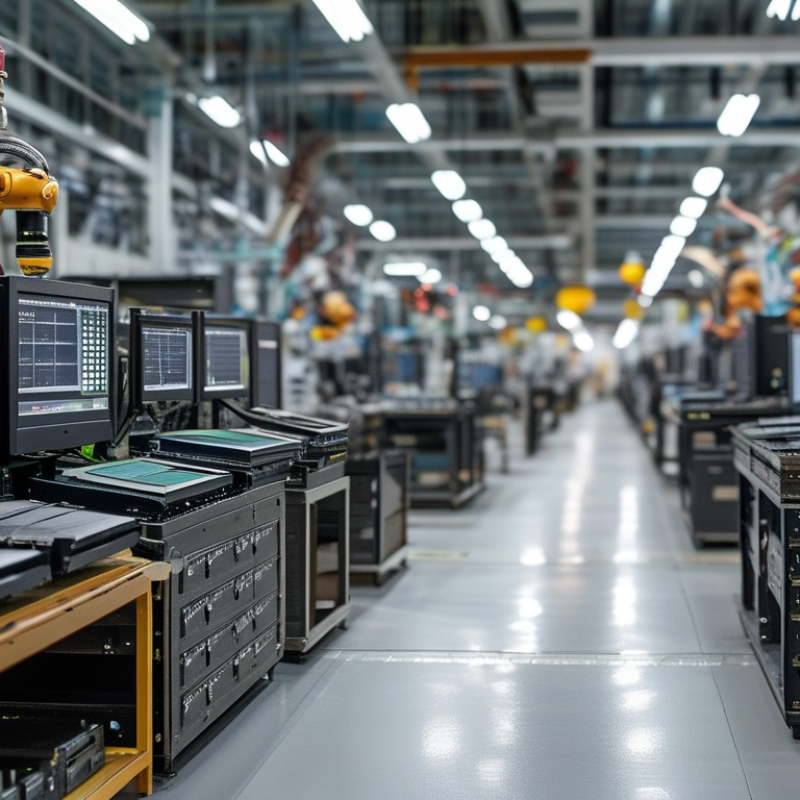
China has emerged as a leading hub for PCB (Printed Circuit Board) manufacturing. The country's capabilities span various types of PCBs, including rigid, flexible, and multi-layer boards. Numerous factories employ advanced technologies and skilled workers. This combination facilitates high-quality production tailored to global standards.
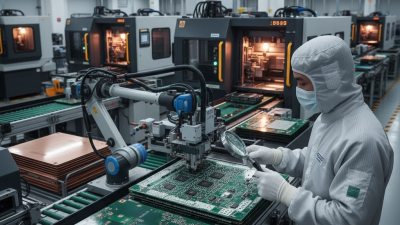
In recent years, the demand for PCBs has surged. Industries ranging from automotive to consumer electronics rely heavily on PCBs. This demand drives innovation within Chinese manufacturing. Companies are increasingly investing in automation and smart manufacturing solutions. These investments enhance production efficiency and reduce lead times.
Tips: When looking for a PCB supplier, consider their quality certifications. Check for ISO standards that guarantee product reliability. Communication is crucial, so establish clear channels with potential partners. Understanding cultural differences can also strengthen your business relationship.
Despite these advantages, challenges exist. Supply chain disruptions, fluctuating raw material costs, and environmental regulations pose risks. Buyers need to conduct thorough research before making decisions. It's essential to weigh the pros and cons of potential suppliers carefully. This deliberate approach can help mitigate risks associated with overseas manufacturing.
Key Players in China's PCB Manufacturing Industry
China's PCB manufacturing industry is crucial for global electronics. The country is a hub for various companies producing printed circuit boards. These firms vary in size and capability, serving different market needs. Many feature advanced technology, ensuring high-quality production.
Key players in this sector leverage skilled labor and efficient supply chains. Their expertise enables them to meet international standards. However, inconsistencies in quality can pose challenges. Buyers must conduct thorough evaluations of potential partners. Not all manufacturers are equally experienced. The rise of newcomers also adds complexity to the selection process.
Competitiveness in the PCB market is fierce. Companies must adapt to rapidly changing technologies. Some struggle to keep pace, which may affect delivery timelines. Understanding the strengths and weaknesses of suppliers is vital. Global buyers should prioritize firms that demonstrate reliability and expert knowledge. This approach may enhance collaboration and ensure successful outcomes.
Factors Influencing PCB Quality and Cost in China
When considering PCB manufacturing in China, various factors impact both
quality and cost.
One significant aspect is material selection.
High-quality materials tend to increase costs but ultimately enhance reliability.
A report from IPC states that approximately 30% of PCB failures are due to poor material choices.
This highlights the need for careful consideration of components and substrates.
Manufacturing techniques also play a crucial role. Advanced technologies such as
automated optical inspection (AOI) can improve quality.
However, they might increase the overall production cost. A balance between technology and budget is essential.
In a recent survey, 65% of buyers noted that investing in better technology
led to higher customer satisfaction and reduced long-term expenses.
Another influential factor is labor quality. Skilled labor is required to meet
international standards. But the ongoing training costs can strain budgets. According to the China Electronic
Component Industry Association, firms that prioritize employee training report a 20% reduction in error rates.
Finding the right blend of skill, technology, and material is key. There isn’t one perfect solution; each project's unique needs
must guide decisions.
Top PCB Manufacturing Technologies Utilized in China
China's PCB manufacturing industry has rapidly evolved, incorporating advanced technologies that are critical in meeting global demands. One significant technology used is surface mount technology (SMT). This method allows for the efficient placement of components on a circuit board. Studies show that approximately 70% of PCBs produced in China utilize SMT due to its speed and reliability. The increasing use of automation in SMT also enhances precision by reducing human error.
Another notable technology is multilayer PCB production. These boards, which can have up to 64 layers, are essential for modern electronic devices. A report by the IPC estimates that the multilayer PCB market in China grew by 8% last year alone. This growth underscores the demand for high-performance electronics in telecommunications and consumer goods. While technology advancements are promising, they come with challenges. For instance, ensuring environmental compliance can be complex as production scales up.
Additionally, the rise of flexible PCBs has redefined design possibilities. These boards can bend and fit into compact spaces, making them popular in wearable technology. However, the production process is still evolving. Quality control remains a pressing concern, as imperfections can drastically affect performance. Addressing these challenges will be vital as manufacturers continue to adapt to a fast-paced industry.
Top China PCB Board Manufacturing Solutions for Global Buyers
| Manufacturing Technology |
Key Features |
Applications |
Typical Lead Time |
| Double-Sided PCB |
High density, flat surface |
Consumer electronics, medical devices |
2-4 weeks |
| Multilayer PCB |
Complex designs, excellent performance |
Telecommunications, aerospace |
3-6 weeks |
| Flexible PCB |
Lightweight, adaptable to curves |
Wearable devices, automotive |
4-8 weeks |
| HDI PCB |
High density interconnections, compact |
Smartphones, tablets |
3-5 weeks |
| Metal Core PCB |
Excellent heat dissipation, durable |
LED lighting, power supplies |
4-6 weeks |
Global Trends in PCB Sourcing and China's Role
As the global demand for PCBs rises, China continues to play a pivotal role in the manufacturing landscape. Many international buyers turn to Chinese manufacturers for their efficiency and cost-effectiveness. The country's well-established supply chain and skilled workforce create a competitive advantage. This is especially evident in high-tech sectors where precision is crucial.
However, there are challenges in sourcing from China. Quality control can vary significantly among manufacturers. Buyers must conduct thorough research to identify reliable partners. Language barriers and cultural differences can complicate communication. It’s essential to establish clear expectations from the outset to avoid misunderstandings.
Understanding global trends in PCB sourcing is vital. Many companies are now focusing on sustainability. They seek environmentally friendly practices in their procurement processes. Chinese manufacturers are responding by adopting greener technologies. This shift presents new opportunities, but ongoing evaluation is necessary. Buyers must remain adaptable to these evolving dynamics.