China Best PCB Board Assembly Solutions for Global Buyers?
In the competitive landscape of electronics manufacturing, finding reliable PCB board assembly solutions is crucial for global buyers. China has emerged as a dominant player in this sector, driven by its robust supply chains and advanced manufacturing capabilities. According to a 2023 industry report, the global PCB board assembly market is projected to reach $100 billion by 2025, with China capturing a significant share. This growth reflects not only China's expertise but also its ability to adapt to evolving technological demands.
However, the pursuit of quality in PCB board assembly is not without challenges. Buyers often face difficulties in selecting credible partners amid numerous suppliers. A lack of transparency in manufacturing processes can result in subpar products. It's vital for businesses to conduct thorough vetting and seek manufacturers with proven track records. By prioritizing partnerships with reputable companies, buyers can enhance the reliability of their final products.
Furthermore, as the industry evolves, so do the requirements for PCB design and assembly. Integrated technologies and innovative materials are reshaping standards. Buyers must stay informed about these changes to make educated decisions. Navigating this landscape requires both industry insight and a commitment to quality, ensuring that PCB board assembly meets the rising expectations of a global market.
China's PCB Market Overview: A Hub for Global Buyers
China has established itself as a pivotal location for PCB (Printed Circuit Board) assembly. With rapid advancements in technology and a skilled workforce, manufacturers here cater to diverse global needs. The emphasis on quality and precision makes it attractive for buyers looking for reliable solutions. Companies benefit from lower production costs while maintaining high standards.
Tips: When choosing a supplier, check their certifications. Valid credentials guarantee adherence to industry standards. Explore customer reviews. Authentic feedback can highlight a company's strengths and weaknesses.
Despite its advantages, buyers should be cautious. Supply chain challenges exist. Delays can happen, impacting project timelines. Additionally, the fast-paced market can lead to outdated products if not monitored closely. Balance cost with quality to ensure the best outcomes.
Maintaining communication with manufacturers is key. Clear dialogue can help clarify expectations. Failure to communicate can result in misunderstandings and unmet specifications. Always seek continuous improvement in the relationship for better results.
China PCB Board Assembly Solutions - Market Overview
This chart illustrates the distribution of PCB production types in China, highlighting the major segments that attract global buyers. The data reflects the growing importance of various PCB types in the global market.
Key Trends in PCB Board Assembly for 2023 and Beyond
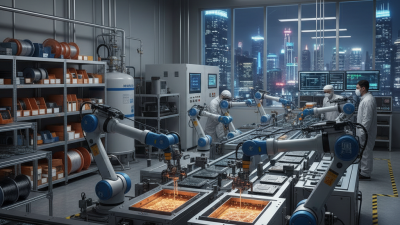
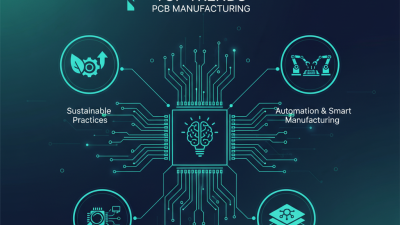
The landscape of PCB board assembly is evolving quickly in 2023. Global buyers should be aware of the key trends shaping this industry. Automation, for instance, is on the rise. Companies are leveraging robotic assembly systems for efficiency and precision. This can significantly reduce manufacturing time and costs. However, automating processes can also lead to increased complexity in production lines.
Another vital trend is the growing demand for miniaturization. As electronics become smaller, PCB designs must adapt. Smaller components require advanced techniques and materials. This challenge may necessitate specialized knowledge in design and assembly. It’s important to engage with experts who understand these nuances.
Tip: When choosing a PCB assembly partner, ensure they have a robust portfolio showcasing their capabilities in miniaturized design.
Sustainability is also gaining traction. Many companies are seeking eco-friendly materials and processes. This shift may improve brand image and attract more customers. Yet, transitioning to sustainable practices can be costly and requires careful planning.
Tip: Regularly evaluate your PCB assembly practices to align with sustainability goals. Engage with partners who prioritize environmental responsibility.
China Best PCB Board Assembly Solutions for Global Buyers - Key Trends in PCB Board Assembly for 2023 and Beyond
| Trend |
Description |
Impact on Buyers |
Expected Growth |
| Automation |
Increased automation in PCB assembly processes. |
Reduced labor costs and improved precision. |
25% growth in adoption. |
| Sustainability |
Focus on eco-friendly materials and processes. |
Appeals to environmentally-conscious buyers. |
30% increase in sustainable options. |
| Miniaturization |
Trend towards smaller, more compact designs. |
Meets demand for portable electronics. |
20% increase in miniaturized products. |
| Smart Technologies |
Integration of IoT and smart functionalities. |
Enhances product capabilities, attracting tech-driven buyers. |
40% growth in smart PCB applications. |
| Supply Chain Transparency |
Increased visibility in the supply chain. |
Builds buyer trust and improves risk management. |
35% rise in transparent practices. |
Comparative Cost Analysis of PCB Assembly in China vs. Other Regions
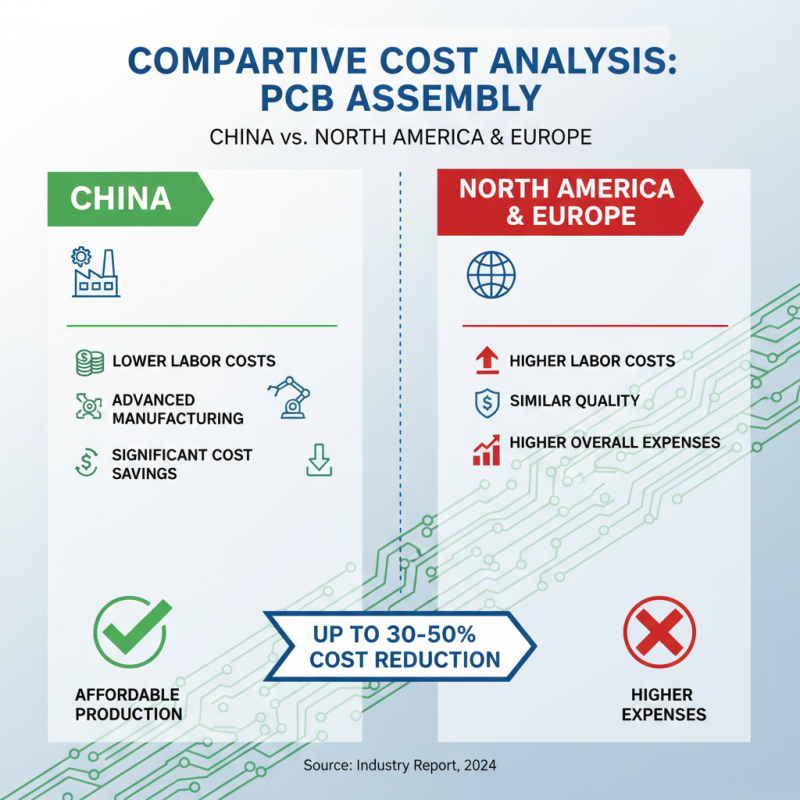
When considering PCB assembly solutions, cost is a critical factor. China stands out due to its lower labor costs and advanced manufacturing technologies. A comparative cost analysis reveals that PCB assembly in China is often more affordable than in regions like North America and Europe. Companies can save significantly on production expenses without compromising quality.
However, buyers must weigh other factors. Lead times can vary widely. While some Chinese manufacturers offer rapid production, delays can occur. It's important to communicate deadlines clearly and set expectations. Quality control processes may also differ. Some manufacturers prioritize cost over quality, leading to potential flaws in the final product.
Tips: Always ask for samples before bulk orders. This helps assess quality. Engaging with multiple suppliers can provide insights into varying costs and services. Finally, verify the manufacturer's certification to ensure they meet international standards. This can prevent issues down the line.
Technological Innovations Driving China's PCB Assembly Solutions
China has emerged as a leader in the PCB board assembly industry, driven by significant technological innovations. Recent data shows that the global PCB market is expected to reach $83.6 billion by 2026, growing at a CAGR of 3.5%. In this landscape, China holds a substantial share, indicating its critical role in meeting global demands.
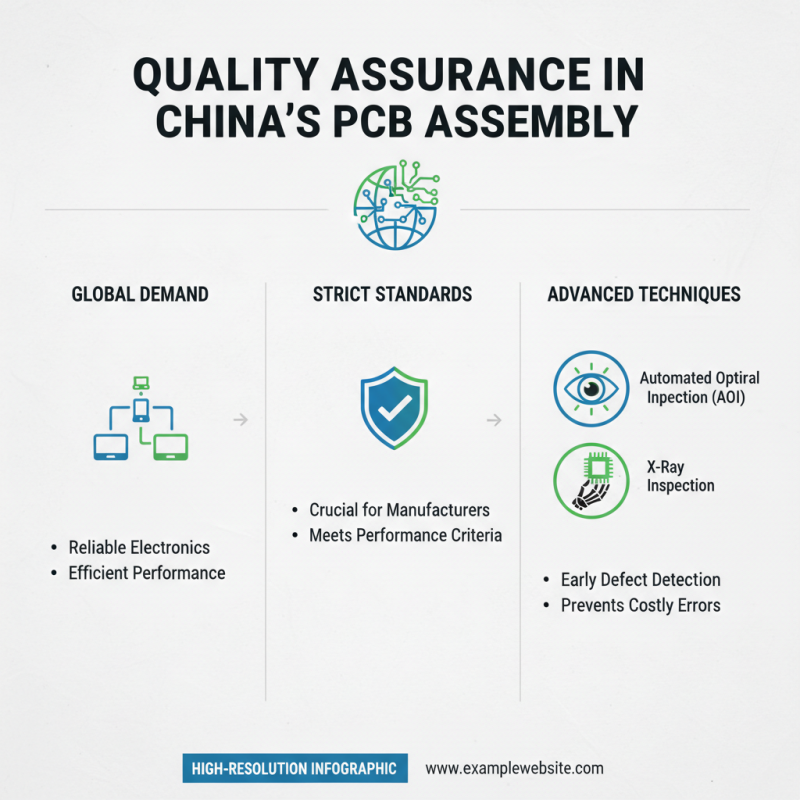
Advancements in automation and AI are reshaping the assembly process. Automated inspection systems ensure high-quality standards, reducing human error. Reports suggest that automated solutions can increase production efficiency by up to 30%. Additionally, innovations in material science have allowed for the use of higher-performance substrates, enhancing the durability and functionality of PCBs. These changes reflect a commitment to not just quantity, but also quality.
However, challenges remain. Some manufacturers grapple with the integration of diverse technologies. The learning curve for emerging tools can lead to production delays. Moreover, keeping pace with environmental regulations can be difficult. The industry's drive toward sustainability is ongoing, yet many companies must still improve their eco-friendly practices. Continuous investment in R&D is essential for overcoming these hurdles.