What Is the Best China Electronic Assembly Manufacturer? The answer depends on your product, volumes, compliance needs, and risk tolerance. A supplier building simple control boards may not suit a medical device or industrial sensor. The best choice is rarely the factory offering the lowest quotation. It is the partner that can repeatedly deliver stable quality, clear communication, and documented process control.
A reliable electronic assembly manufacturer should show practical experience with your board type, components, testing requirements, and packaging needs. Ask for evidence, not polished promises. Useful evidence may include production photos, sample inspection records, process flow charts, and customer references where confidentiality allows. Review certifications carefully, and confirm that they match the actual production site. Check how the factory handles incoming inspection, solder paste control, automated optical inspection, functional testing, and final traceability. Small details reveal much. For example, can each batch be linked to operator records and component lots?
Communication also deserves close attention. Engineers should review Gerber files, BOM risks, tolerances, and design-for-manufacturing concerns before production begins. A thoughtful supplier may question an unclear footprint instead of silently guessing. That matters.
Still, no sourcing decision is perfectly predictable. Audits can miss weak supervision, and impressive equipment cannot guarantee disciplined execution. I have seen supplier comparisons focus too heavily on machinery and price. That approach can overlook engineering support, change control, and after-sales responsibility. A balanced evaluation should compare technical capability, quality evidence, delivery performance, cost transparency, and long-term cooperation. This guide examines those factors to help buyers identify a China electronic assembly manufacturer with credible, verifiable strengths.
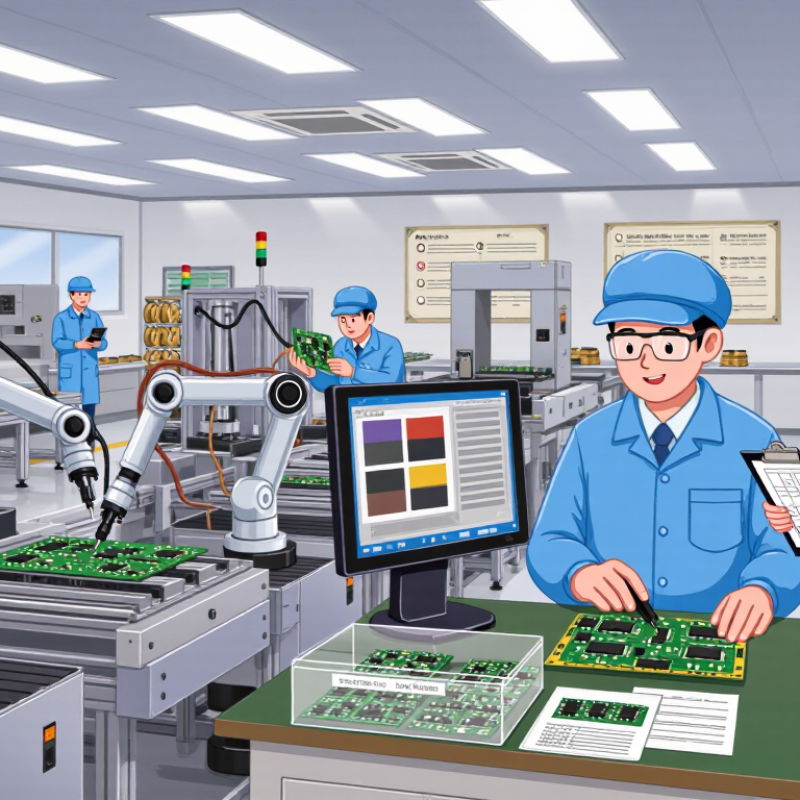
A China electronic assembly manufacturer is a factory that builds electronic products or subassemblies for other companies. Its work may include PCB assembly, component placement, soldering, cable installation, testing, and final packaging. Some manufacturers also support prototype development, sourcing, and design-for-manufacturing reviews.
In practice, a reliable factory should provide clear production records, trained technicians, and traceable component information. Ask how it controls moisture-sensitive parts, soldering temperatures, and electrostatic discharge.
A professional manufacturer should explain its inspection process without vague promises. Useful evidence includes sample inspection reports, process documents, and production photos.
Factory experience matters, but it is not everything. A large facility can still communicate poorly. A smaller team may offer closer engineering support.
Tips:
Request a sample build before mass production. Confirm the bill of materials, testing method, tolerance requirements, and delivery schedule in writing. Ask whether testing is performed on every unit or only selected units. Check how failed boards are separated and recorded. Visit the facility when possible, or arrange a live video audit. Do not judge quality from polished photographs alone.
Choosing the right partner requires practical verification.
Review its experience with similar circuit complexity and materials. Discuss changes early, because late substitutions can affect performance and cost. I have found that unclear responsibility causes more delays than difficult assembly. Even careful suppliers can make mistakes, so define approval points and corrective actions before production begins.
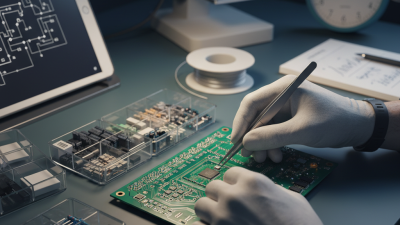
China electronic assembly manufacturers often provide much more than PCB production. Their services can cover a project from early design review to final shipment. An experienced supplier checks schematics, component footprints, board spacing, and assembly tolerances before production. This design-for-manufacturing review can expose weak solder joints or difficult component placement early.
Prototype assembly is another practical service. Engineers may build a small batch using surface-mount and through-hole processes. They inspect solder paste printing, reflow profiles, and automated optical inspection results. Production teams can also arrange component sourcing, incoming material checks, and lot-level traceability. These records make quality investigations more realistic. They do not replace good engineering.
Many manufacturers also provide functional testing, cable assembly, box build, labeling, and protective packaging. Some offer conformal coating for boards used in humid or dusty environments. Test fixtures may be designed for a specific product, reducing repeated manual checks. Manufacturing reports can include defect data, test results, and corrective actions.
The process is not always perfect. A supplier may meet assembly targets yet miss a packaging detail. A late component change can disturb an otherwise stable schedule. Clear drawings, approved samples, and regular video inspections reduce these risks. Buyers should ask how defects are handled, not only how quickly units are shipped. Reliable cooperation grows through evidence, careful communication, and honest review.
Choosing an electronic assembly manufacturer requires more than comparing quotations. During factory evaluations, inspect solder joints under magnification. Check component storage, humidity control, and operator training records. Ask for first-pass yield, defect-per-million opportunities, and corrective-action data. IPC-A-610 workmanship practices provide a useful technical reference. ISO 9001 certification also matters, but certification alone proves little without recent audit findings.
This supports checking a supplier’s digital controls, not just its machinery. Look for barcode traceability, automated optical inspection, X-ray capability, and controlled test records. Request sample production data, including Cpk values for critical processes. A supplier should explain failures clearly. Vague answers are warning signs. The Global E-waste Monitor 2024 reported 62 million tonnes of electronic waste in 2022. Better assembly quality can reduce avoidable scrap, returns, and premature disposal.
Tips: Ask for a live process walkthrough. Compare incoming inspection records with final test results. Verify whether quality data covers your actual product family. Review the response time for nonconformities. A polished presentation can hide weak discipline. I have found that small gaps, such as missing humidity logs, often deserve deeper questions. No evaluation is perfect. Recheck evidence before approving production.
Choosing the best China electronic assembly manufacturer requires more than comparing unit prices. Cost begins with the bill of materials, PCB layer count, component availability, and assembly complexity. A board with fine-pitch parts may need advanced inspection and slower placement settings. Those details raise labor, equipment, and testing costs.
Lead time depends heavily on material planning. Common components may arrive within days, while specialized parts can delay production for weeks. A reliable manufacturer should provide a clear procurement schedule, approved substitutions, and regular progress updates. Prototype orders also require programming, stencil preparation, and engineering review. These steps are easy to overlook.
Capacity is not a single number. A factory may advertise large monthly output but lack enough SMT lines during peak seasons. Ask about active lines, shift patterns, changeover time, and available testing equipment. Request evidence from similar production runs. Traceability records, incoming inspection, and first-article reports reveal more than polished presentations. Small details matter.
A practical supplier should review Gerber files and the bill of materials before quoting. This design-for-manufacturing review can identify weak solder joints, unnecessary tolerances, or hard-to-source parts. It may slightly delay the quotation, but it can prevent expensive rework later. Even experienced buyers misjudge demand sometimes. Leaving room for forecast changes is wise. A low price is not always a low production cost.
Selecting the best China electronic assembly manufacturer starts with evidence, not attractive promises. Request production samples, process records, and recent quality data. A capable supplier should explain its experience with similar boards, component types, and assembly volumes. Ask how engineers review your Gerber files, bill of materials, and design risks. Clear answers reveal practical expertise.
Visit the facility when possible, or arrange a live video audit. Observe component storage, moisture control, solder paste handling, and inspection stations. Check whether the factory uses automated optical inspection, X-ray inspection, and functional testing. Confirm its quality system, operator training, traceability, and corrective-action process. Certifications matter, but daily discipline matters more. A certificate cannot repair a weak production line.
Communication deserves careful testing before signing any contract. Send a small technical question and measure the response time and accuracy. Discuss engineering changes, approved substitutions, tooling ownership, delivery buffers, and confidentiality terms. A reliable manufacturer should provide a pilot run and a detailed inspection report. Even experienced teams can overlook connector orientation or packaging damage. That is where honest feedback becomes valuable. If the supplier resists questions, hides limitations, or changes pricing without explanation, reconsider the relationship. A lower quote may become expensive after delays, rework, and unstable component sourcing.