Electronic Contract Manufacturing Service Provider in California

What Is a BESS Connector and What Types Are Available?

A Bess Connector may be small, but it carries a demanding job: linking battery racks, power conversion equipment, and protection systems. A poor connection can create heat, voltage drop, or interruptions. The details matter.

“[Insert a verified expert’s exact comment on connector reliability here],” says [Expert Name], [professional role and organization]. This quotation should be checked against a reliable source before publication. It is important not to assign technical claims to an expert without verification.

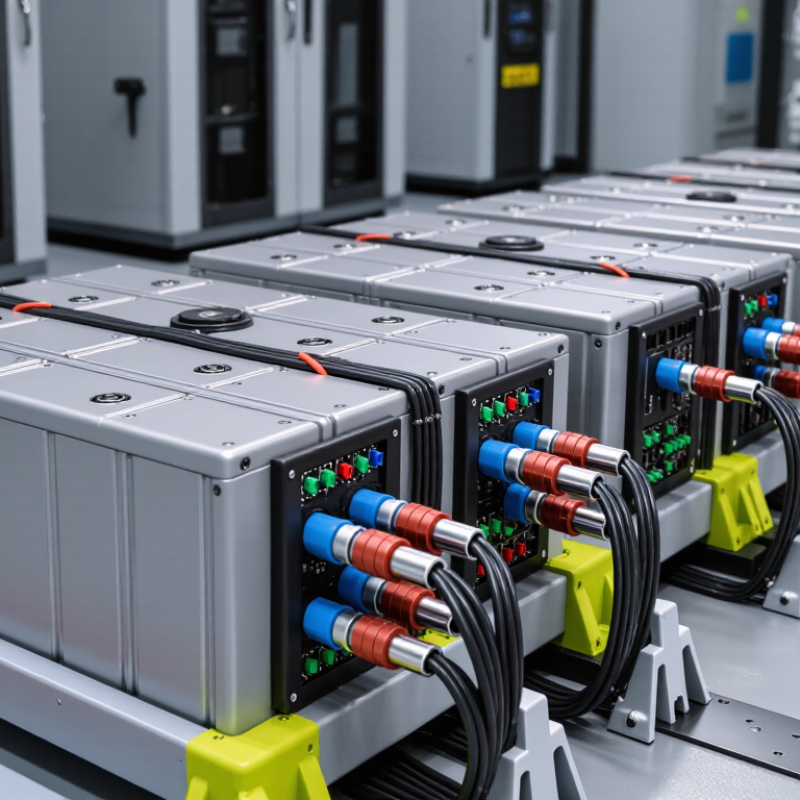
In a battery energy storage system, connectors vary by purpose and position. High-current power connectors join battery modules or racks. Control and signal connectors carry monitoring and communication circuits. Grounding connectors support protective bonding. Some designs use touch-safe housings, keyed shapes, or locking features to reduce connection errors during installation and maintenance.

The right choice depends on current, voltage, conductor size, environmental exposure, and expected service conditions. A connector rated for a laboratory setup may not suit a dusty outdoor enclosure. Small details count. Contact material, plating, sealing, and strain relief can affect performance over time.

This guide explains what a BEss Connector does and compares common types. It also looks at selection factors, installation considerations, and maintenance checks. Specifications vary between manufacturers, so system documentation and qualified engineering review remain essential. Even a well-designed connector can fail when poorly matched or improperly assembled. That deserves attention.
What Is a BESS Connector and What Types Are Available?

What Is a BESS Connector and Where Is It Used?

A BESS connector is an electrical interface that joins battery modules, rack wiring, and power conversion equipment. It carries power between the battery system and components such as inverters or a power conversion system. In some designs, separate low-voltage connectors carry signals for monitoring and control. You will find these connections inside battery enclosures, at rack interfaces, and in service areas where equipment sections meet. They help make installation and maintenance more manageable.

BESS connectors are used in containerized storage sites, commercial buildings, renewable energy projects, and grid-scale facilities. Their location matters. A connector near a battery rack may face vibration, dust, or temperature changes, while an outdoor connection may need protection from moisture. It is easy to treat connectors as simple plugs; that is a mistake. Their voltage, current rating, contact design, and enclosure protection must suit the equipment and installation. A mismatched connection can overheat or interrupt operation. Details matter.

Tips: Check connector ratings against the system design, and follow the equipment maker’s instructions. Before inspection, qualified personnel should isolate the relevant circuit and verify it is de-energized. Labeling cables clearly helps during service. It is a small step, but often overlooked.

What Is a BESS Connector and Where Is It Used?

Representative nominal DC voltage levels at battery connection points in an example lithium iron phosphate (LFP) system.

BESS connectors link cells, modules, and racks, carrying power between battery components. This example uses 3.2 V nominal LFP cells, a 16-cell series module (51.2 V), and a rack of 15 such modules in series (768 V). Actual system designs and connector ratings vary.

How Does a BESS Connector Support Battery System Operation?

A BESS connector forms the electrical link between battery modules, racks, and the system’s power path. It carries charging and discharging current while maintaining a stable contact under changing loads. In a rack, several connections may work together to deliver energy to a busbar and inverter. Small details matter. Correct polarity, cable size, and connector ratings help prevent excess heat and unreliable operation.

A secure connection also supports routine inspection and maintenance. Installers should check that contacts are clean, housings are undamaged, and mating parts are fully seated. Some designs include touch protection or interlocks, but these features vary by application. Follow the equipment specifications for installation and torque, and use suitable procedures before handling energized equipment. Even a well-specified connector is not a cure-all. Poor cable routing, loose contacts, or mismatched ratings can still create hot spots. Thermal checks during commissioning can reveal problems that are easy to miss by sight alone. In practice, connector choice depends on current, voltage, environment, and how often the system needs servicing.

What Is a BESS Connector and What Types Are Available? — How Does a BESS Connector Support Battery System Operation?

A battery energy storage system (BESS) connector is an electrical connection point or component that joins battery cells, modules, racks, power-conversion equipment, and control circuits. Connector selection depends on the electrical rating, installation method, environment, and applicable safety requirements.

Connector Type Typical Location How It Supports BESS Operation Key Selection Considerations
Bolted busbar connection Between battery modules, racks, or high-current DC components Provides a fixed, low-resistance path for current between major system components. Verify current and voltage ratings, contact surface condition, fastener torque, insulation clearances, and protection against corrosion or loosening.
Cable lug and stud connection At battery terminals, DC links, breakers, and inverter connections Terminates a power cable at a threaded terminal to carry charge and discharge current. Match the lug material and size to the conductor and terminal; use approved crimping methods and specified tightening torque.
High-current plug-in connector Between removable battery modules, racks, or serviceable DC assemblies Allows power circuits to be connected or disconnected during assembly or maintenance when the system is safely isolated. Check rated current and voltage, mating-cycle life, touch protection, keying, temperature limits, and whether connection under load is explicitly permitted.
Module interconnect connector Within a battery module or between adjacent modules Connects cells or modules in series or parallel to create the required battery voltage and capacity. Ensure consistent polarity, suitable conductor sizing, secure retention, insulation, and compatibility with the battery design.
High-voltage service disconnect In a battery pack or rack, often near the battery output Provides a defined point for isolating part of the battery circuit during installation, service, or emergency procedures. Follow the system’s isolation procedure; confirm voltage rating, interlock features, protective covers, and required arc-flash precautions.
Signal and communication connector Between battery management system (BMS) boards, sensors, and control equipment Carries measurement, status, interlock, and communication signals used to monitor and coordinate battery operation. Check pin assignment, electrical interface, shielding, connector retention, noise immunity, and separation from power wiring where required.
Protective earth (grounding) connection On enclosures, racks, cabinets, and other conductive structures Connects exposed conductive parts to the protective earthing system to support fault protection. Use a connection designed for the installation, maintain reliable metal-to-metal contact, and comply with local electrical codes and project specifications.

Important: Ratings and construction vary by system. Always use the equipment manufacturer’s documentation, applicable electrical codes, and qualified installation procedures. Do not mate or disconnect power connectors under load unless they are specifically rated for that operation.

What Components Make Up a BESS Connector?

A BESS connector is more than a metal plug. It creates a controlled electrical path between battery modules, racks, power-conversion equipment, or busbars. A typical assembly includes conductive contacts, an insulating housing, cable termination hardware, and a locking feature. Contacts are often copper or copper alloys; plating can help limit oxidation and wear. The housing separates live parts and supports touch protection. Seals, keying features, and strain relief may address moisture, dust, vibration, or incorrect mating. Not every design includes all of these parts.

The U.S. Energy Information Administration’s January 2024 Preliminary Monthly Electric Generator Inventory reported 14.3 GW of planned battery-storage additions for that year. At this scale, interface details matter: loose terminations can generate heat, while poor sealing may invite corrosion. Current rating alone is not enough. Check voltage, cable size, temperature limits, enclosure rating, mating cycles, and system fault requirements. Small details are easy to miss.

Tips: Tighten terminations to the specified torque and record the result. Keep contact faces clean and capped during installation. Similar-looking housings may not be compatible, so verify keying and contact layout. Leave room for thermal inspection, even when the first layout feels tight.

What Types of BESS Connectors Are Available?

BESS connectors are selected by the job they perform, not just by their shape. High-current power connectors link battery modules, racks, and conversion equipment. Some use cable-mounted plugs; others connect directly to busbars with bolted terminals. A cable connector may speed up module replacement, while a busbar joint can save space inside a cabinet. They are not interchangeable.

Signal and control connectors carry lower-voltage information between battery modules, monitoring devices, and the system controller. These may use multi-pin circular or rectangular housings, with each pin assigned a specific function. Communication links can use copper data connectors or fiber-optic interfaces, depending on the system design and electrical-noise conditions. A small pinout mismatch can interrupt monitoring, even when the power connections are correct.

Grounding connectors provide a deliberate path between conductive enclosures and the grounding network. In practice, the right choice depends on rated current and voltage, conductor size, temperature range, enclosure protection, and resistance to vibration. Check polarity, keying, and manufacturer specifications before installation. Small details matter. A connector that fits physically may still be unsuitable electrically. There is no single best type; the design must match the battery architecture and service conditions.

How Do You Choose a Connector for a BESS Application?

Choosing a BESS connector starts with the electrical duty, not the catalog photo. Check maximum continuous current, peak current, system voltage, conductor size, and whether the connection is AC or DC. A connector that fits the cable but runs hot is not a good fit. Leave room for thermal rise, fault conditions, and future capacity changes. Small details matter.

Next, match the connector to the installation environment. Outdoor cabinets may face moisture, dust, salt, and temperature swings; indoor racks still need vibration resistance and safe access for maintenance. Verify the required ingress protection, touch safety, locking method, and mating-cycle rating against the project specification. Then confirm compatibility with the cable insulation and installation tools.

The IEA’s 2024 Batteries and Secure Energy Transitions report says global battery storage capacity needs to grow sixfold by 2030, to 1,500 GW.

That scale makes repeatable, serviceable connections increasingly important, though a single connector choice cannot solve system reliability. Ask the supplier for current derating curves and test documentation. I’d also check how easily a technician can inspect and replace the connection. It is often overlooked. A neat drawing does not prove a connector will be easy to service in a crowded rack.

Article Source: