7 Best Horizontal Shaft Concrete Mixers for Global Buyers
Choosing the right concrete mixer can shape production speed, batch consistency, and long-term operating costs. For global buyers, the decision involves more than drum capacity or motor power. A reliable Horizontal Shaft Concrete Mixer should match local materials, climate, power standards, and daily output requirements.
This guide reviews seven leading models for construction companies, rental providers, and ready-mix operations. Each option is examined through practical purchasing factors, including mixing performance, shaft design, paddle arrangement, discharge control, wear-liner quality, and maintenance access. Small details matter. A wide inspection door can reduce cleaning time after a demanding shift. Replaceable liners may protect the mixing chamber when coarse aggregate creates repeated impact. These details can influence ownership costs.
Power compatibility matters too. Buyers should confirm voltage, frequency, motor protection, and available technical support before ordering. Shipping dimensions, spare-parts access, warranty terms, and installation guidance also deserve careful attention. A low purchase price may become less attractive when replacement parts travel slowly across borders.
No single machine fits every project. Some mixers perform well with stiff concrete, while others suit more fluid recipes and faster discharge cycles. Testing with your actual cement, sand, aggregate, and moisture levels remains the safest approach. This comparison is designed to support that process with practical, evidence-based guidance. Still, specifications can change, and supplier claims require verification. Check the details twice. A careful decision today can prevent costly downtime tomorrow.
What Is a Horizontal Shaft Concrete Mixer?
7 Best Horizontal Shaft Concrete Mixers for Global Buyers
What Is a Horizontal Shaft Concrete Mixer?
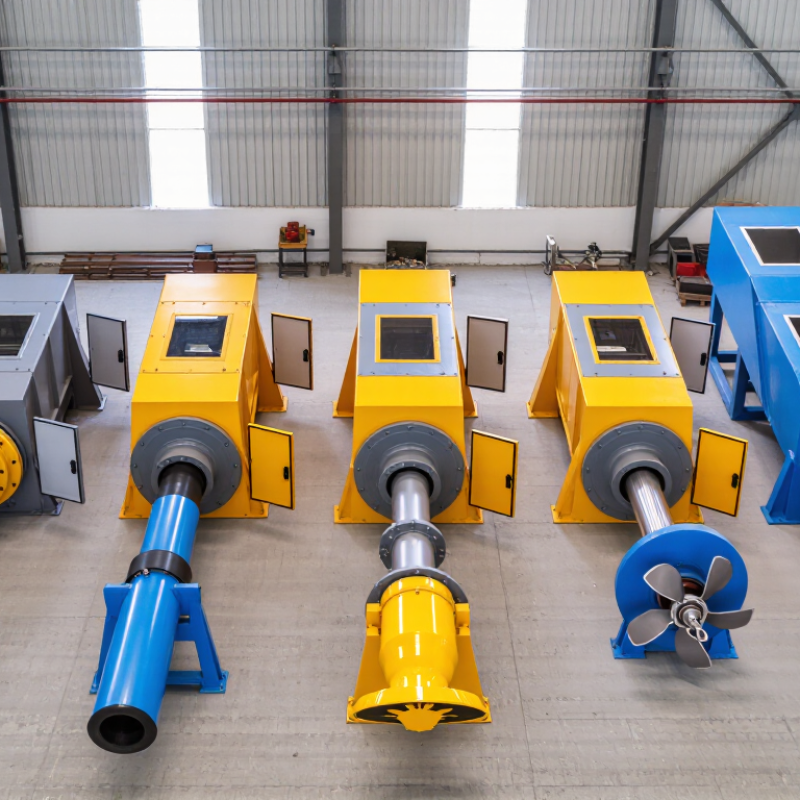
A horizontal shaft concrete mixer blends cement, sand, stone, water, and admixtures inside a horizontal chamber. One or more shafts rotate through the material. Attached paddles lift, fold, and push the mix across the chamber. This action creates a more active blending process than simple drum rotation. It is useful for concrete plants, precast production, road projects, and demanding construction sites. The mixer’s shape also supports controlled discharge through a bottom or side gate.
In practical operation, mixing quality depends on more than shaft speed. Paddle design, chamber size, moisture content, and loading order all matter. Operators should check whether the mixer handles the planned aggregate size. A small chamber can struggle with dry, heavy material. Excessive speed may increase wear without improving consistency. No mixer is magic. A poor water measurement can still produce weak or uneven concrete. Reliable buyers should review service access, shaft sealing, liner thickness, motor protection, and spare-part availability before purchase.
Tips: Load materials gradually. Measure water carefully. Keep paddles clean after each shift. Inspect liners and seals regularly. Watch the discharge for unmixed pockets. A short trial batch often reveals problems that brochures hide.
7 Best Horizontal Shaft Concrete Mixers for Global Buyers - What Is a Horizontal Shaft Concrete Mixer?
A horizontal shaft concrete mixer uses one or more horizontal mixing shafts fitted with paddles or blades to produce a uniform concrete mixture. The following comparison presents representative, commercially available configuration ranges for global buyers; exact specifications vary by manufacturer and customization.
| No. | Recommended Configuration | Nominal Batch Volume | Typical Output | Typical Mixing Time | Drive Power | Maximum Aggregate Size | Approx. Shipping Dimensions | Approx. Dry Weight | Best-Suited Application |
| 1 | Compact Single-Shaft Mixer | 0.25–0.50 m³ | 6–12 m³/h | 45–90 sec | 7.5–15 kW | 40–60 mm | 2.4 × 1.4 × 1.7 m | 1.0–1.8 t | Small construction sites, repair work, and limited-volume concrete production. |
| 2 | Standard Single-Shaft Mixer | 0.75–1.00 m³ | 15–25 m³/h | 40–75 sec | 18.5–30 kW | 60–80 mm | 3.0 × 1.8 × 2.0 m | 2.2–3.8 t | General building projects, ready-mix transfer, and small batching plants. |
| 3 | Heavy-Duty Twin-Shaft Mixer | 1.00–2.00 m³ | 30–60 m³/h | 30–60 sec | 2 × 22–2 × 45 kW | 80–100 mm | 4.2 × 2.4 × 2.4 m | 5.0–8.5 t | Commercial batching plants, infrastructure projects, and high-throughput concrete production. |
| 4 | High-Performance Twin-Shaft Mixer | 2.00–3.00 m³ | 60–100 m³/h | 30–50 sec | 2 × 45–2 × 75 kW | 80–120 mm | 5.0 × 2.8 × 2.7 m | 8.0–13.0 t | Large infrastructure works, precast production, and continuous commercial supply. |
| 5 | Mobile Horizontal-Shaft Mixer | 0.50–1.50 m³ | 12–40 m³/h | 45–90 sec | 15–45 kW | 60–80 mm | 3.8 × 2.2 × 2.5 m | 3.5–7.0 t | Remote sites, road construction, utility projects, and operations requiring relocation. |
| 6 | Fiber-Reinforced Concrete Mixer | 0.50–1.50 m³ | 10–35 m³/h | 60–120 sec | 18.5–55 kW | 40–80 mm | 3.5 × 2.1 × 2.3 m | 3.0–6.5 t | Steel-fiber concrete, synthetic-fiber mixes, shotcrete preparation, and dense formulations. |
| 7 | Precast and Dry-Batch Mixer | 0.75–2.00 m³ | 20–60 m³/h | 35–75 sec | 30–90 kW | 20–60 mm | 4.0 × 2.4 × 2.5 m | 4.5–9.0 t | Concrete blocks, paving products, precast components, and low-slump concrete mixtures. |
Note: Output depends on material moisture, mix design, aggregate grading, loading efficiency, discharge method, and operating cycle. Electrical systems should be matched to the destination country's voltage, frequency, phase, and local safety requirements.
Key Features to Compare Before Choosing a Mixer
A horizontal shaft concrete mixer should be judged by more than its advertised capacity. Check the actual batch volume, not only the drum’s total size. A mixer filled beyond its working limit may produce uneven cement distribution. That problem often appears near corners and discharge gates.
Mixing speed is another key feature. Higher speed can shorten cycles, but it may increase power use and wear. Compare the motor rating, gearbox design, and starting method together. A strong mixer should maintain stable rotation under a heavy, dry load.
Inspect the shaft, paddles, liners, and bearings closely. Replaceable wear parts can reduce downtime on remote projects. Small access doors also make cleaning safer and faster. These details matter.
Discharge performance deserves practical testing. Ask whether the gate opens fully and clears sticky concrete without repeated scraping. Measure the residual material after each batch. Less leftover concrete means more accurate dosing and easier maintenance.
For global buyers, verify voltage compatibility, guarding, emergency stops, documentation, and available spare parts. Local service support may matter more than a slightly lower purchase price. Do not rely on brochures alone.
Request test data with your intended aggregate size and moisture level. I have seen capacity claims look impressive, yet the mixer struggled with coarse stone. That is worth questioning.
Pricing also needs careful interpretation, because lower initial costs can hide expensive wear and delayed repairs.
Seven Leading Horizontal Shaft Concrete Mixer Options
Seven Leading Horizontal Shaft Concrete Mixer Options
Global buyers now compare mixers by output, moisture tolerance, maintenance access, and local power supply. Global Market Insights reported that the concrete mixers market exceeded USD 9 billion in 2023 and may grow above 4% annually through 2032. That expansion reflects continued infrastructure and housing investment, but market size alone cannot identify the right machine.
Seven leading options deserve practical attention: single-shaft mixers for straightforward batching; twin-shaft mixers for rapid, intensive blending; continuous pugmill mixers for steady roadwork; counter-current mixers for high-shear performance; planetary mixers for precise specialty concrete; mobile horizontal mixers for remote projects; and compact electric models for confined sites. Twin-shaft designs often suit large plants because their overlapping paddles reduce dead zones. Single-shaft units can be easier to service. That difference matters.
A 2024 report from the International Energy Agency highlights construction’s continuing pressure to reduce energy use and emissions. Buyers should therefore check motor efficiency, batch-cycle duration, dust control, and spare-part availability. In field evaluations, inspect the discharge gate, liner thickness, paddle wear, and cleaning time after a stiff mix. Small details decide uptime. I would not rank one configuration as universally best. Concrete recipes vary, and published capacity can look optimistic under low-slump conditions. Trial batching with local aggregates remains the more reliable test.
How to Match Mixer Types With Global Project Needs
7 Best Horizontal Shaft Concrete Mixers for Global Buyers
How to Match Mixer Types With Global Project Needs
Choosing among seven horizontal-shaft mixer configurations requires more than comparing output figures. Start with the project itself. A compact single-shaft mixer suits small building sites and limited power supplies. Heavy-duty single-shaft units handle stiff mixes with larger aggregate. Twin-shaft mixers deliver faster, more uniform blending for ready-mix plants and infrastructure work. Paddle designs can improve coating consistency when the mix contains fibers or recycled materials. Continuous mixers support long pours, but they demand steady material feeding and careful calibration. Mobile units fit remote projects, while stationary high-output systems suit permanent production facilities.
Climate and logistics matter just as much. In humid coastal regions, corrosion-resistant contact parts may reduce maintenance. Cold sites need reliable startup procedures and suitable lubrication. A remote buyer should check motor voltage, frequency, spare-part access, transport dimensions, and local technician support. A mixer that performs well in a factory may struggle on uneven ground or with unstable electricity. That mistake is easy to underestimate.
Tips: Ask for verified test data using your actual mix recipe. Compare batch time, discharge residue, cleaning access, and water consumption. Check whether the machine can handle your aggregate size. Keep a practical safety margin in capacity. Bigger is not always better. I would also request a trial batch before purchase, although this step is sometimes overlooked. No brochure replaces site experience.
7 Best Horizontal Shaft Concrete Mixers for Global Buyers
How to match mixer types with global project needs
The chart compares indicative production ranges for widely used horizontal-shaft mixer configurations. Batch mixers are suited to controlled production and variable recipes, while continuous mixers are useful for steady-output projects such as road bases, mine backfill, and large-volume earthworks. Actual capacity depends on material moisture, aggregate size, mix design, loading efficiency, and operating cycle.
Buying, Shipping, and Maintenance Considerations for International Buyers
Choosing among the 7 best horizontal shaft concrete mixers requires more than comparing drum volume. International buyers should check mixing capacity, motor voltage, shaft protection, spare-part access, and discharge design. A 3 m³ mixer may suit a medium project, but output depends on loading time, material moisture, and operator skill. Bigger is not always better.
Shipping deserves equal attention. UNCTAD’s Review of Maritime Transport 2023 reports that ships carry over 80% of global merchandise trade by volume. Therefore, buyers should confirm container dimensions, gross weight, lifting points, and corrosion protection before payment. Ask for a seaworthy packing list, moisture barriers, shock indicators, and accurate customs documents. The World Bank’s Logistics Performance Index 2023 also highlights shipment timeliness as a key logistics measure. Port delays still happen. No checklist catches every delay.
Tips: Request a factory test video, wiring diagram, bearing specifications, and a complete spare-parts list. Keep critical items such as seals, belts, bearings, and mixing blades locally if possible. During maintenance, inspect blade clearance weekly, grease bearings according to the manual, and remove hardened concrete before it becomes a thick shell. One practical warning: cleaning with excessive water can damage electrical components and accelerate rust. I would also leave room for human error. Operators may overload the mixer, while published capacity often assumes ideal conditions. The final choice should balance output, shipping risk, maintenance skill, and long-term parts availability.