2026 Top Wifi Smart Switch Features You Need to Know?
In the ever-evolving landscape of smart home technology, the Wifi Smart Switch has become essential for modern living. Renowned expert in home automation, Sarah Jenkins, states, "The right Wifi Smart Switch transforms your home into a connected oasis." This statement captures the essence of why consumers are increasingly interested in these devices.
Wifi Smart Switches allow for effortless control of lighting and appliances. Users can manage their home environment remotely, creating convenience like never before. However, with so many options on the market, making the right choice can be overwhelming. Some smart switches may not integrate well with existing home systems, causing frustration.
Understanding key features of Wifi Smart Switches is crucial for making informed decisions. A deeper insight can help maximize their benefits while mitigating common pitfalls. Exploring these features will ensure you don't regret your smart home investments. Embracing these switches can lead to a more enjoyable and efficient living space.
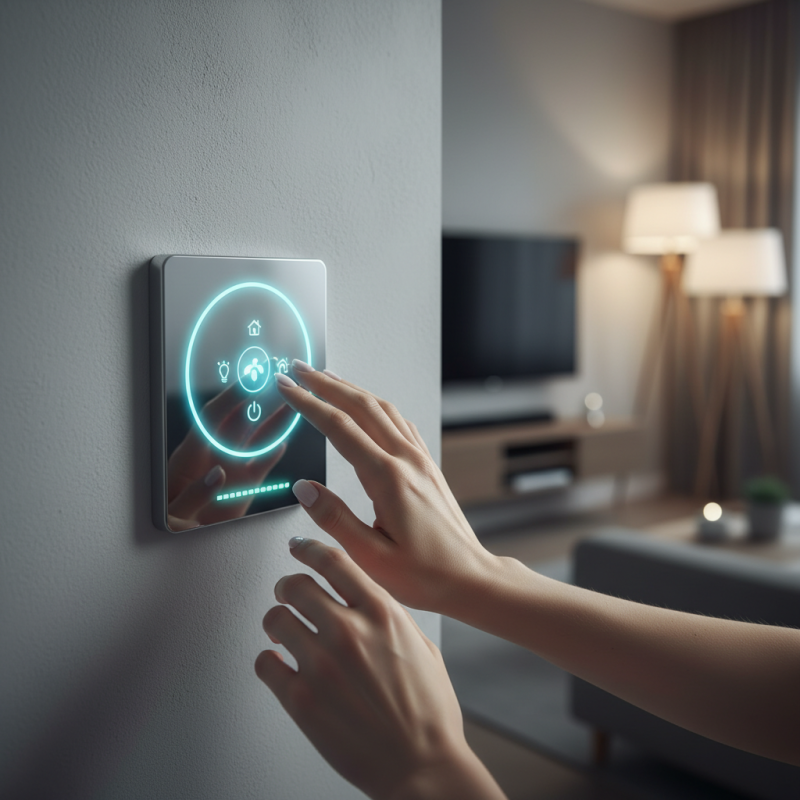
Key Innovations in Wifi Smart Switch Technology for 2026
WiFi smart switches are evolving rapidly. In 2026, we can expect several key innovations in this technology. One major feature is voice control integration. This allows users to operate their devices hands-free, enhancing convenience. However, this feature may sometimes misinterpret commands, requiring users to repeat themselves.
Another exciting innovation is improved energy monitoring. Smart switches will provide real-time data on electricity usage. Users can track their consumption more accurately. This could lead to better energy savings. Yet, many may find the data overwhelming or difficult to interpret at first.
New designs are also emerging, focusing on aesthetics. They will blend seamlessly with various home decors. Users can choose from different colors and finishes. But this variety may complicate the decision-making process. Each choice has its own advantages and drawbacks, which can be confusing for many.
Essential Smart Features to Look for in Wifi Switches
When selecting a Wi-Fi smart switch, there are crucial features that one should not overlook. According to a report from the Smart Home Market, over 70% of consumers prioritize easy installation and user-friendly interfaces. A Wi-Fi smart switch should offer intuitive setups and clear app guidance. This can save time and frustration, especially for those less tech-savvy.
Connectivity is another essential factor. Look for switches that support various smart home platforms. Recent studies indicate that nearly 60% of users prefer devices that integrate seamlessly with existing ecosystems, like voice assistants. Multi-protocol support, such as Zigbee and Z-Wave, adds flexibility. Be aware that without proper integration, some devices may become isolated, limiting their overall functionality.
Energy monitoring features are gaining traction. Statistics reveal that more than 50% of users value real-time energy usage tracking. This data helps households cut costs and increase efficiency. However, not every switch provides accurate readings. Users may find discrepancies between reported data and actual usage. This potential for errors calls for careful consideration before purchase. Overall, prioritize features that align with your specific needs to enhance your smart home experience.
Compatibility with Smart Home Ecosystems: What You Should Know
As smart homes continue to gain traction, compatibility with various ecosystems becomes vital for WiFi smart switches. Research from the Smart Home Integration Report 2023 indicates that nearly 70% of consumers prioritize seamless integration. This allows them to control multiple devices from one platform. However, not all smart switches are designed for universal compatibility, creating potential barriers for users.
Consider a user who wants to automate their home lighting. If the smart switch they choose does not sync well with their existing devices, frustration may ensue. The 2022 Home Automation Survey highlights that 45% of users experienced difficulties with device integration. This can lead to an incomplete smart home experience. It’s essential for consumers to check device compatibility before making a purchase.
Moreover, smart switches often use different wireless protocols. Zigbee, Z-Wave, and WiFi are common examples. Compatibility issues arise when devices from different ecosystems fail to communicate effectively. The industry's shift towards a more interoperable framework is encouraging. However, it still requires users to remain vigilant and do thorough research. Proper checks can help prevent missing out on the benefits of a fully integrated smart home.
2026 Top Wifi Smart Switch Features You Need to Know
| Feature | Description | Compatibility | Control Method | Energy Monitoring |
| Voice Control | Integrates with voice assistants for hands-free operation. | Amazon Alexa, Google Assistant, Apple HomeKit | Smartphone App, Voice Command | Yes |
| Remote Access | Control switches from anywhere using a mobile app. | IP Security Systems, Smart Thermostats | Smartphone App | No |
| Scheduling | Allows users to set timers for appliances to turn on/off. | Smart Home Hubs, IoT Devices | Smartphone App | Yes |
| Multi-Device Support | Can connect and control multiple devices simultaneously. | All Major Smart Home Platforms | Smartphone App, Voice Command | Yes |
| Geofencing | Automates actions based on your location. | Smart Home Apps | Smartphone App | No |
Energy Efficiency and Sustainability Features in Wifi Smart Switches
Wifi smart switches have become essential for modern homes. One important aspect is their energy efficiency. These devices help manage power usage effectively. When paired with energy monitoring, they provide real-time insights. Homeowners can see how much energy is being consumed. This awareness can lead to better usage habits.
Sustainability features are increasingly important too. Many Wifi smart switches use eco-friendly materials. This choice can significantly reduce the carbon footprint of manufacturing. Moreover, some models come with timers and scheduling options. This allows users to turn off devices when not in use. It sounds simple, but it can make a big difference over time.
However, not every model excels in these areas. Some lack the advanced energy-saving features consumers seek today. It's crucial to do proper research and choose wisely.
User Interface and Control Options for Enhanced Usability
As smart homes evolve, user interfaces for WiFi smart switches are more critical than ever. The 2023 Smart Home Trends report indicates that user-friendly controls are desired by over 75% of consumers. Intuitive designs allow users to manage their devices easily, reinforcing accessibility and reducing frustration.
Modern smart switches often showcase touchscreen control, voice activation, and app integration. These features create a seamless experience. However, many users still find complex apps overwhelming. According to a recent survey, 40% of individuals struggle with initial setup. A simpler interface could dramatically improve user satisfaction.
Tip: When choosing a smart switch, prioritize platforms that offer tutorials or customer support.
Customized options allow personalization for users. Adjusting brightness, scheduling, and monitoring energy usage become straightforward tasks. Unfortunately, the diversity of interfaces can confuse users. A unified design across devices can help bridge this gap.
Tip: Test user interfaces at stores or read reviews to find the most accessible options.
Enhancing usability can lead to significant market growth. As reported, simplifying technology boosts customer retention rates by 50%. Addressing user interface concerns is key for smart switch manufacturers moving forward.