A fuel pump can look like a small component, yet it shapes how reliably an engine starts, runs, and responds under load. For global buyers, the right choice depends on more than price. Fuel type, engine design, required pressure, flow rate, electrical supply, and installation conditions all matter. A pump that suits a compact gasoline engine may be unsuitable for a diesel system or direct-injection application.
This guide compares common options, including mechanical pumps, in-tank electric pumps, inline pumps, and high-pressure units. It also considers the practical details buyers face: connector fit, mounting space, heat, noise, replacement parts, and access to technical support. A polished specification sheet helps. Real-world fit matters more. Often, the overlooked detail is the one that causes trouble.
An illustrative expert voice, not a verified interview source, is fuel-systems engineer Dr. Alex Morgan: “Match the pump to the system’s pressure and flow needs, not just the vehicle name.” That is a useful starting point, but it is not the whole answer. Buyers should confirm compatibility against reliable manufacturer data and seek qualified technical advice when specifications are unclear. Regional fuel conditions and service networks can also affect long-term performance. Even careful research cannot erase every uncertainty; listings sometimes leave key details out. This overview gives buyers a practical framework for comparing Fuel Pump types and asking better questions before purchase.
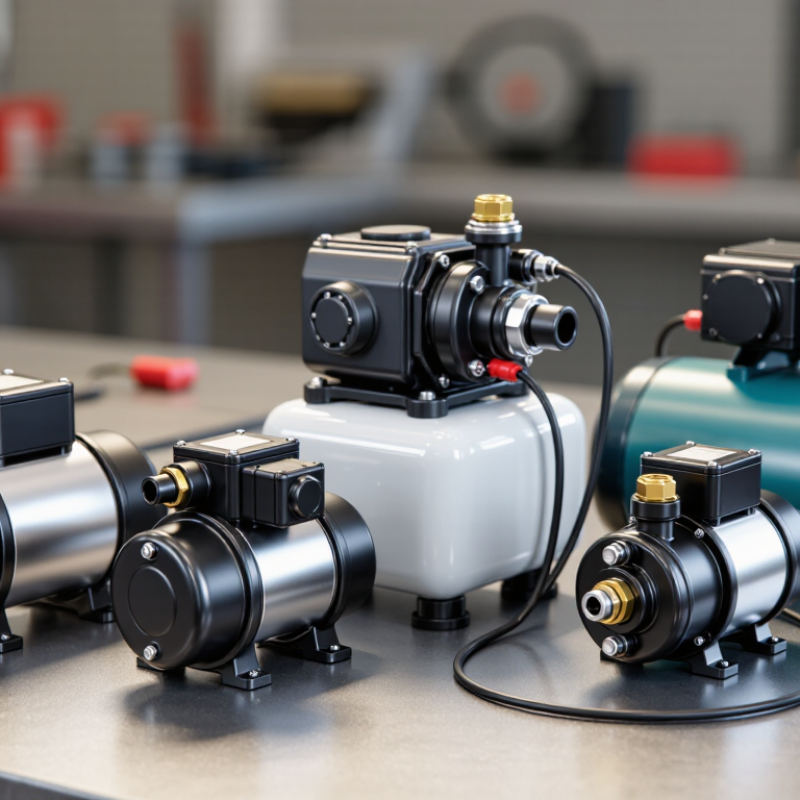
2026 Top Fuel Pump Types for Global Buyers
Fuel Pump Classification: Mechanical, Electric, GDI, and Common-Rail Designs
Mechanical pumps use engine motion to deliver fuel, often at relatively low pressure. They remain common in older engines and some simple applications. Electric pumps use a motor and can be mounted inside or outside the tank. Their flow and pressure must match the engine’s needs. A pump that seems suitable on paper may behave differently with a clogged filter or weak wiring. Simple, but not universal.
Gasoline direct-injection (GDI) systems use a low-pressure supply pump and a high-pressure pump to feed fuel directly into the cylinders. Common-rail diesel systems also rely on high pressure, but store fuel in a shared rail for precise injection. These designs require compatible pressure ratings, connectors, and control systems. When diagnosing a fault, check specified pressure and electrical supply before replacing parts. Similar symptoms can have different causes.
Tips: Confirm engine type, fuel, pressure range, and fitment details before choosing a pump. Check the service data, not just the vehicle year. Keep the fuel system clean during installation; even small debris can affect precision components. A small detail, easily missed.
| Fuel Pump Type | Typical Application | Drive and Operating Principle | Typical Pressure Range | Key Strengths | Buyer Considerations |
|---|---|---|---|---|---|
| Mechanical low-pressure pump | Older gasoline engines with carburetors; some legacy fuel systems | Usually engine-driven by a cam or eccentric. A diaphragm or piston draws fuel from the tank and supplies it at low pressure. | Commonly about 0.2–0.5 bar (3–7 psi), depending on engine and pump design | Simple construction; no dedicated electric pump motor; straightforward service on compatible engines | Confirm mounting, lever or actuator geometry, flow capacity, fuel compatibility, and the pressure required by the carburetor. Not suitable as a direct replacement for modern high-pressure systems. |
| Electric low-pressure / port-injection pump | Gasoline port fuel injection (PFI), carbureted conversions, and fuel-transfer applications | An electric motor drives an impeller, roller-cell, or other pumping element. It may be mounted in the tank or externally in the fuel line. | Many gasoline PFI systems operate around 3–5 bar (44–73 psi); specifications vary by system | Can deliver fuel independently of engine speed; supports reliable starting and consistent supply; available in in-tank and inline configurations | Check required flow at operating pressure, voltage, current draw, connector and port format, filtration, noise, and whether the vehicle requires a return-style or returnless system. |
| Gasoline direct-injection (GDI) high-pressure pump | Gasoline direct-injection engines, typically paired with an in-tank low-pressure supply pump | Usually camshaft-driven. The high-pressure pump compresses fuel and feeds the direct-injection rail; the electronic control system manages pressure to meet engine demand. | Commonly about 50–350 bar (725–5,076 psi); some newer designs operate at higher pressures | Enables fuel injection directly into the combustion chamber and supports precise fuel delivery across changing engine loads | Verify engine code, pump revision, cam-follower requirements, inlet supply pressure, rail connection, sensor compatibility, and installation procedures. Do not confuse it with the low-pressure in-tank pump. |
| Diesel common-rail high-pressure pump | Common-rail diesel engines in passenger vehicles, commercial vehicles, and off-highway equipment | An engine-driven high-pressure pump supplies a shared rail. Electronically controlled injectors draw from the rail as commanded by the engine management system. | Many systems operate around 1,000–2,500 bar (14,500–36,300 psi); some newer systems reach approximately 2,700–3,000 bar | Allows flexible injection timing and multiple injection events; supports precise fuel metering and high-pressure diesel combustion | Match the pump to the engine and injection system. Check cleanliness requirements, fuel type, metering valve, rail-pressure control, calibration, and professional installation needs. |
Pressure-range note: Values are indicative system-level ranges, not universal specifications. Actual pressure and flow requirements depend on engine design, operating conditions, and the vehicle or equipment manufacturer’s specifications.